Quad Faces Challenges Amid US-India Tensions and Strategic Indo-Pacific Shifts
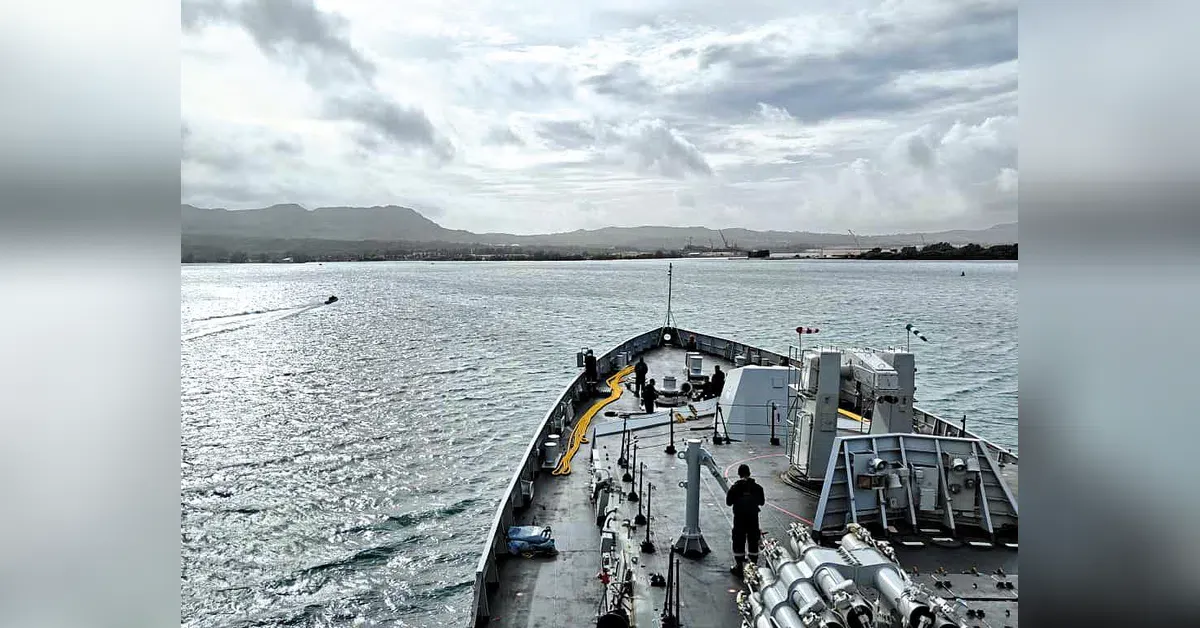
Relations within the Quad, comprising India, the US, Japan, and Australia, face challenges amid recent geopolitical tensions. India's anger over a US missile attack killing three Indian seafarers in the Strait of Hormuz contrasts with the US's strategic shift renaming its Indo-Pacific Command. Quad leaders emphasize commitment to international law and regional security, while discussions continue on revitalizing cooperation and addressing evolving Indo-Pacific dynamics.
First-hand measurement across 2 sources
We measured how 2 outlets covered this story. Coverage leans balanced overall (Left 35%, Centre 57%, Right 8%). Overall sentiment is neutral (45/100). Lens Score 29/100 — low public interest.
Outlets analysed (first-hand measurement by TBN's Bias Engine):
- businessstandard— left-leaning framing, negative sentiment
- businessstandard— balanced framing, neutral sentiment
AI Analysis
The articles present perspectives from both Indian and US viewpoints, highlighting India's criticism of US military actions and the US's strategic decisions affecting the Quad. Coverage includes official statements from Quad foreign ministers, reflecting diplomatic efforts to maintain cooperation despite tensions. The framing balances concerns over international law with strategic realignments without favoring any side.
The overall tone is mixed, combining expressions of dismay and criticism regarding the US missile attack with cautious optimism about the Quad's evolving role. While India's dissatisfaction introduces a negative sentiment, the emphasis on dialogue and strategic transformation within the Quad conveys a forward-looking, constructive mood.
How 2 sources covered this story
Each source's own headline, political lean, and sentiment — so you can see framing differences at a glance.