Trump’s Iran Policy Evolves Amid Ceasefire and Regional Mediation Efforts
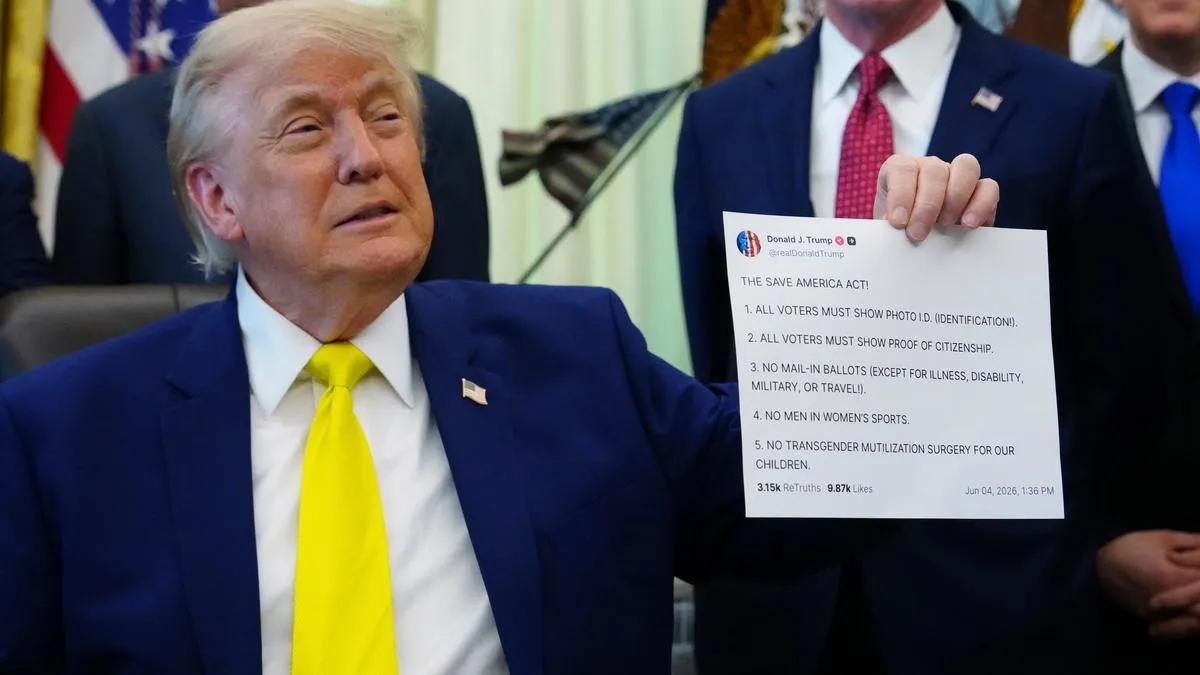
Over six months, U.S. President Donald Trump’s approach to Iran fluctuated between threats, military actions, and support for protests, culminating in a memorandum of understanding with Tehran. While some Americans, including Trump voters, criticized the deal as insufficient and doubted Iran’s commitment, others expressed relief at the ceasefire. The Gulf region faces economic and security challenges post-conflict, and countries like Pakistan, Turkey, and Qatar have played notable roles as mediators in the peace process, reflecting a shift in global peacemaking dynamics.
First-hand measurement across 5 sources
We measured how 5 outlets covered this story. Coverage leans balanced overall (Left 20%, Centre 73%, Right 7%). Overall sentiment is neutral (43/100). Lens Score 25/100 — low public interest.
Outlets analysed (first-hand measurement by TBN's Bias Engine):
- theprint— balanced framing, neutral sentiment
- mint— balanced framing, neutral sentiment
- thehindu— balanced framing, neutral sentiment
- mint— balanced framing, neutral sentiment
- hindustantimes— balanced framing, neutral sentiment
AI Analysis
The articles present a range of perspectives including critical views from American voters skeptical of Trump’s Iran deal, neutral reporting on the Gulf’s economic and security challenges, and recognition of regional actors like Pakistan and Turkey as mediators. Coverage balances U.S. policy shifts with regional responses and public sentiment, reflecting diverse political viewpoints without endorsing any particular stance.
The overall tone is mixed, combining critical skepticism about the durability and terms of the Iran agreement with cautious optimism from those relieved by the ceasefire. Regional economic and social impacts are described factually, while the role of mediators is portrayed as pragmatic. The sentiment reflects complexity rather than clear positivity or negativity.
How 5 sources covered this story
Each source's own headline, political lean, and sentiment — so you can see framing differences at a glance.