Kim Jong Un Reaffirms North Korea's Nuclear Status and Military Expansion Plans
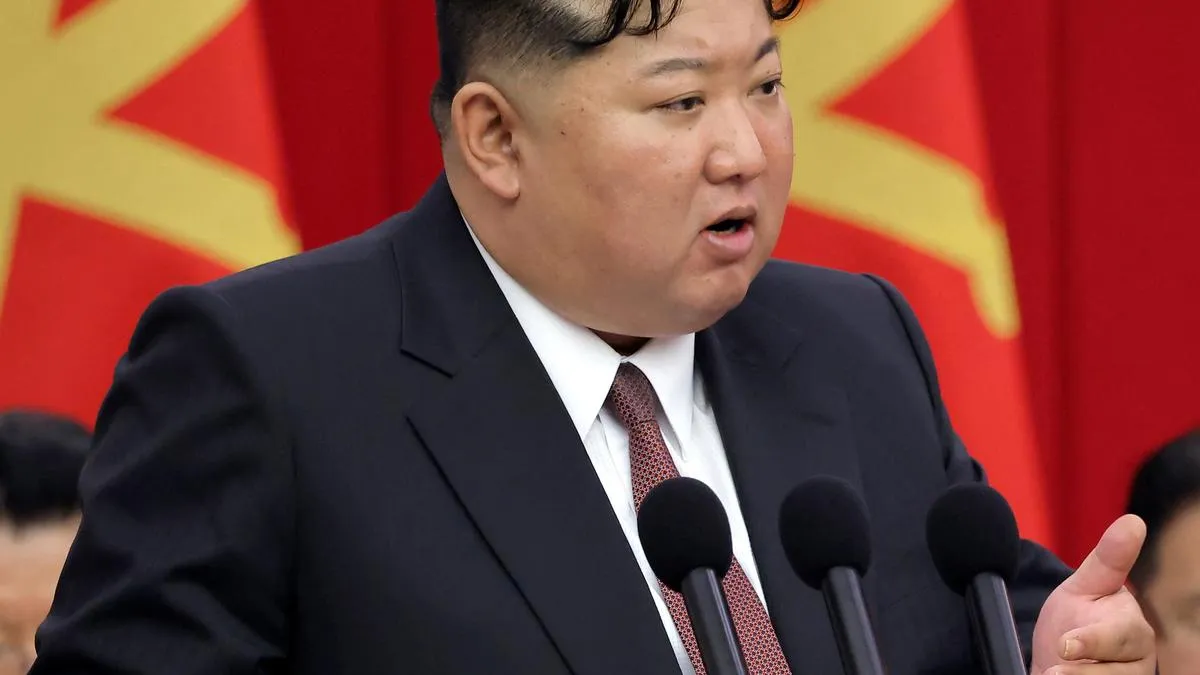
North Korean leader Kim Jong Un reaffirmed his country's commitment to strengthening its nuclear forces and conventional military capabilities amid what he described as an unpredictable and complex global security environment. Speaking at a ruling Workers' Party meeting, Kim blamed the United States and South Korea for escalating regional tensions through joint military and nuclear enhancements. He emphasized that exercising North Korea's status as a nuclear weapons state is essential for national defense, while ordering accelerated development of a strategic guided missile cruiser and conventional arms.
First-hand measurement across 5 sources
We measured how 5 outlets covered this story. Coverage leans balanced overall (Left 0%, Centre 100%, Right 0%). Overall sentiment is negative (33/100). Lens Score 28/100 — low public interest.
Outlets analysed (first-hand measurement by TBN's Bias Engine):
- theprint— balanced framing, negative sentiment
- wion— balanced framing, neutral sentiment
- indiatoday— balanced framing, negative sentiment
- thehindu— balanced framing, negative sentiment
- ndtv— balanced framing, neutral sentiment
AI Analysis
The article group presents perspectives primarily from North Korean state media and international news agencies reporting on Kim Jong Un's statements. The coverage reflects North Korea's framing of its nuclear program as a defensive response to U.S. and South Korean military activities. While the sources relay Kim's accusations and policy positions, they also note international concerns and sanctions, providing a balanced view without endorsing any side.
The overall tone across the articles is neutral to cautious, focusing on factual reporting of Kim Jong Un's remarks and military plans. The language conveys the seriousness of regional security tensions without sensationalism. While North Korea's stance is assertive, the coverage maintains an objective tone, highlighting both the country's intentions and the broader geopolitical context.