US Vice President Links UK Student's Murder to Migration; UK Denounces Interference
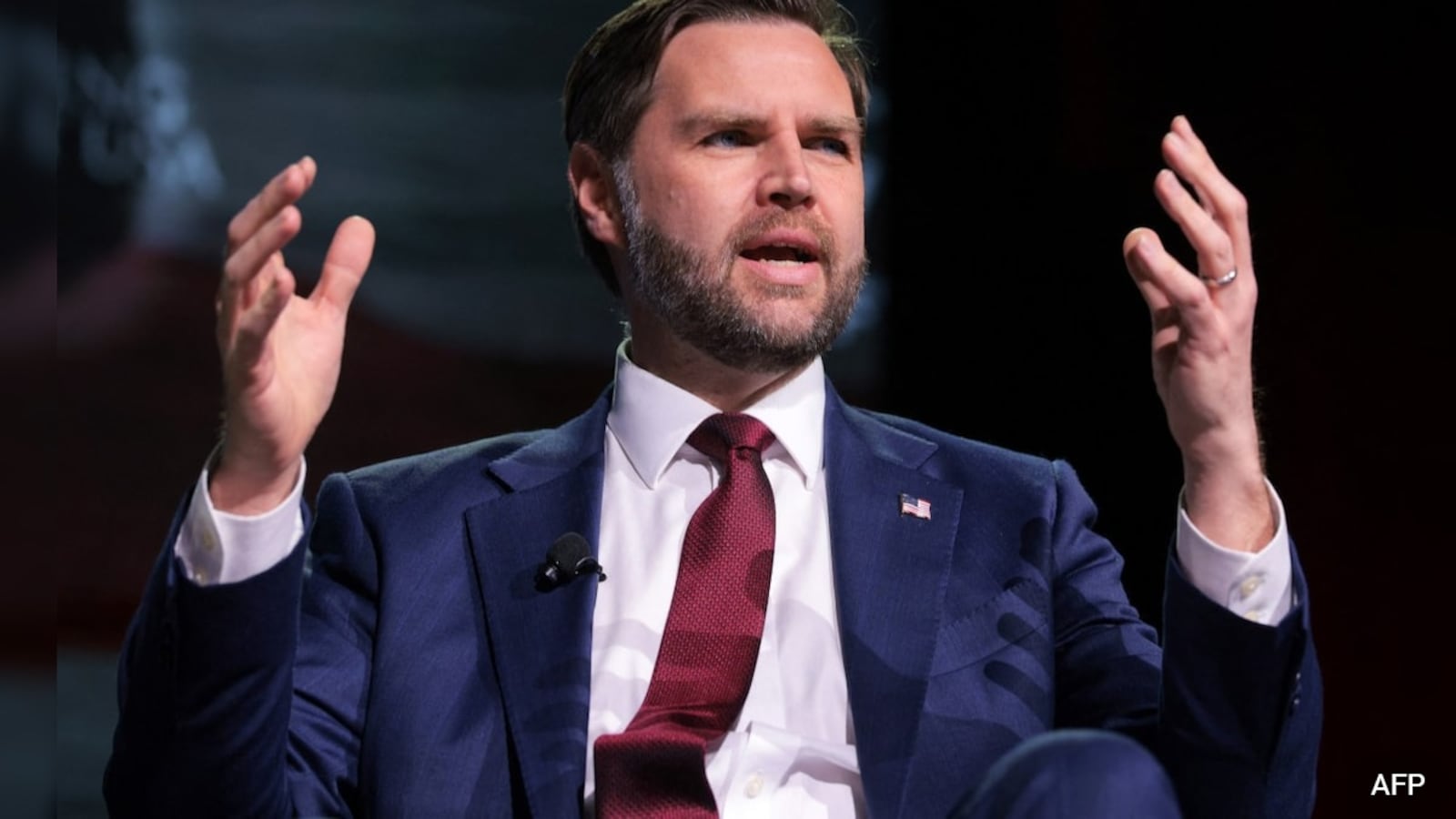
US Vice President JD Vance linked the murder of British student Henry Nowak to what he described as a 'mass invasion of migrants' and civilizational decline, criticizing British authorities' handling of the case. Nowak was fatally stabbed in Southampton by Vickrum Digwa, who falsely claimed racial abuse. The UK government, including Prime Minister Keir Starmer, condemned Vance's remarks as interference in domestic affairs and urged unity, emphasizing the Nowak family's wish to avoid politicization. The case has sparked debates on policing, immigration, and social division in both countries.
First-hand measurement across 15 sources
We measured how 15 outlets covered this story. Coverage leans centre-left overall (Left 50%, Centre 41%, Right 9%). Overall sentiment is negative (33/100). Lens Score 39/100 — moderate-to-low public interest.
Outlets analysed (first-hand measurement by TBN's Bias Engine):
- thehindu— balanced framing, neutral sentiment
- indiatvnews— balanced framing, neutral sentiment
- indiatoday— balanced framing, neutral sentiment
- zeenews— balanced framing, negative sentiment
- firstpost— balanced framing, neutral sentiment
- indianexpress— balanced framing, neutral sentiment
- thetribune— left-leaning framing, negative sentiment
- english— balanced framing, negative sentiment
AI Analysis
The article group presents perspectives from US conservative figures, notably JD Vance, who attribute the murder to immigration policies and cultural decline, reflecting right-wing critiques. UK government sources, including Prime Minister Starmer's office, reject these claims as interference and emphasize social cohesion. The coverage includes voices from populist activists and the US State Department, illustrating a transatlantic political tension over immigration and policing narratives.
The overall tone is mixed, combining expressions of grief and outrage over the murder and police response with politically charged criticism and rebuttals. US commentary conveys frustration and condemnation of migration policies, while UK responses focus on respect for the victim's family and warnings against divisive rhetoric. The sentiment reflects a contentious debate marked by both sorrow and political discord.