BJP Leader Highlights Emergency's Impact on Democracy Ahead of Samvidhan Hatya Diwas
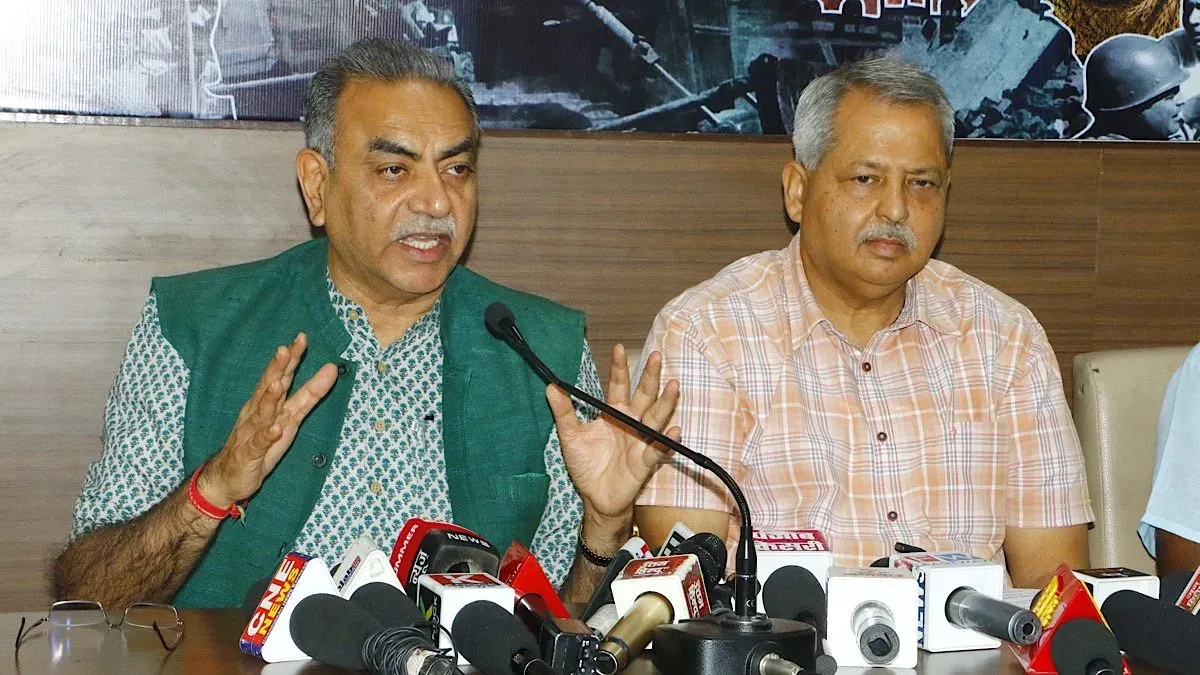
BJP leader Sanjay Tandon described the Emergency imposed by the Congress government in 1975 as a dark chapter in India's democratic history. Speaking ahead of June 25, observed as 'Samvidhan Hatya Diwas,' he highlighted the Emergency's impact on democratic institutions, civil liberties, and constitutional freedoms. Tandon urged the younger generation to learn about this period, noting actions like press censorship, arrests under MISA, and constitutional amendments. He emphasized the importance of safeguarding democracy and called for objective media coverage of the Emergency's historical significance.
First-hand measurement across 2 sources
We measured how 2 outlets covered this story. Coverage leans right-leaning overall (Left 10%, Centre 25%, Right 65%). Overall sentiment is neutral (35/100). Lens Score 37/100 — moderate-to-low public interest.
Outlets analysed (first-hand measurement by TBN's Bias Engine):
- thestatesman— right-leaning framing, negative sentiment
- theprint— right-leaning framing, neutral sentiment
AI Analysis
The articles primarily present the perspective of a BJP leader criticizing the Congress government's imposition of the Emergency in 1975. The coverage reflects a political viewpoint emphasizing the negative consequences of the Emergency on democratic institutions and civil liberties. There is limited representation of alternative perspectives or defenses of the Congress party, focusing instead on the BJP's framing of the event as authoritarian and detrimental to democracy.
The overall tone across the articles is critical and negative toward the Emergency period, emphasizing its adverse effects on democracy and civil rights. The sentiment reflects concern and caution, aiming to educate the younger generation about the historical impact. There is no positive framing of the Emergency, and the language underscores the seriousness of the period without sensationalism.