Skip to content
Get the Balanced News app for a better experience!
The Balanced News Logo
Analytics
The Balanced News Logo

Stay Balanced, Stay Informed

Menu
  • Browse News
  • Underreported Stories
  • Curated Feeds
  • Insights
  • Analytics
  • Our Writers
  • About Us
  • Download App
Learn
  • How It Works
  • Bias Detection
  • Lens Score
  • Source Bias Checker
  • Accountability
  • Custom Feeds
Newsroom
  • Writers & Analysts
  • About TBN
  • Editorial Standards
  • Corrections Policy
  • Our Partners
  • Insights
Socials
  • Youtube
  • Instagram
  • X
  • Facebook
News Categories
  • Trending
  • Politics
  • Sports
  • Business
  • Tech
  • Entertainment
  • Health
  • Science
  • Crime
  • Lifestyle
  • National
  • International
  • Good News
  • Crypto

Get Our App

Available for iOS and Android


LensFeedsInsightsAnalyticsTrendingGood NewsSportsPoliticsBusinessCrimeTechEntertainmentHealthNationalInternational

© 2026 The Balanced News. All rights reserved.

About UsEditorial StandardsCorrectionsHelp & SupportPrivacy PolicyTerms & Conditions
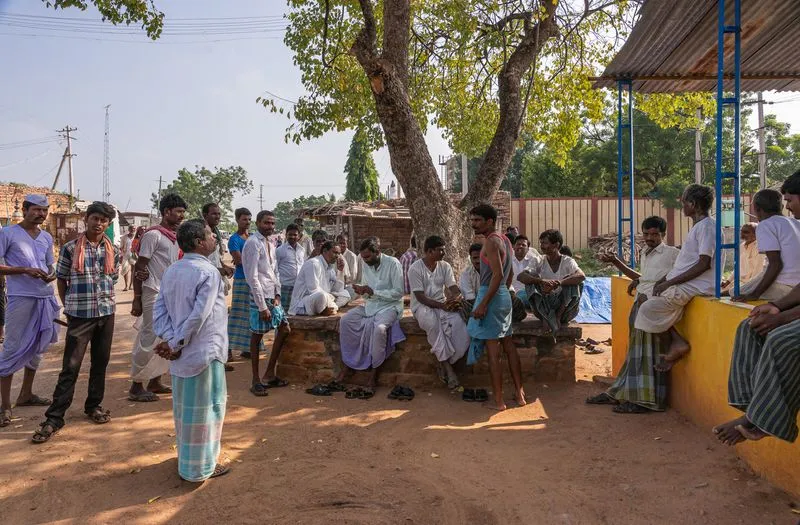
Study Identifies Barriers and Recommendations to Improve Gram Sabha Participation
Categories

Categories

Related Coverage

Select a news story to see related coverage from other media outlets.

Related Coverage

Select a news story to see related coverage from other media outlets.

  1. Home
  2. /
  3. Politics

Study Identifies Barriers and Recommendations to Improve Gram Sabha Participation

Analysed 30 Jun 2026·3 sources analysed·Hyderabad, India·Politics
Study Identifies Barriers and Recommendations to Improve Gram Sabha ParticipationPreviousNext

A national study by the National Institute of Rural Development and Panchayati Raj highlights low participation in gram sabhas, especially among migrant households, youth, elderly, and women. Key barriers include livelihood pressures, busy schedules, and participation fatigue from repeated meetings without visible outcomes. The report recommends enhancing transparency and engagement through digital tools, involving state line departments to present service updates, and institutionalizing grievance redressal to build public trust and strengthen grassroots democracy.

TBN's observations

First-hand measurement across 3 sources

We measured how 3 outlets covered this story. Coverage leans balanced overall (Left 13%, Centre 84%, Right 3%). Overall sentiment is neutral (55/100). Lens Score 28/100 — low public interest.

Outlets analysed (first-hand measurement by TBN's Bias Engine):

  • thetribune— balanced framing, neutral sentiment
  • thehindu— balanced framing, neutral sentiment
  • businessstandard— balanced framing, neutral sentiment
Political Bias
13%84%3%
Sentiment
55%
AI analysis of 3 sources · Published under editorial oversight by The Balanced News
Analysed 30 Jun 2026· How this analysis is produced· Editorial standards· Corrections

AI Analysis

Political bias across 3 sources
● Left 13%● Center 84%● Right 3%

The articles collectively present a government-commissioned study focusing on administrative and social factors affecting gram sabha participation. They include perspectives from official bodies like the Ministry of Panchayati Raj and NITI Aayog, emphasizing institutional reforms and citizen engagement without partisan framing. The coverage centers on policy recommendations and public participation challenges, reflecting a neutral, governance-oriented viewpoint.

Sentiment — Neutral (55/100)

The overall tone across the articles is analytical and constructive, acknowledging challenges such as low attendance and participation fatigue while highlighting practical recommendations to improve engagement. The sentiment is balanced, focusing on identifying problems and proposing solutions without emotive or critical language, maintaining an informative and solution-driven approach.

How 3 sources covered this story

Reviewed byPrajakta Kale· Political Analyst· Edited byOjas Kale
← Previous
US Supreme Court Removes Federal Limits on Coordinated Party Spending in Campaigns
Next →
West Bengal Police Investigate Trinamool Leader Jahangir Khan and Wife Over Mob Attack and Property Records

Each source's own headline, political lean, and sentiment — so you can see framing differences at a glance.

SourceTheir headlineBiasSentiment
thetribuneMigrant households, youth, elderly and women least represented in gram sabhas: Report - The TribuneCenterNeutral
thehinduLivelihood pressures, participation fatigue key reasons for low gram sabha attendance: studyCenterNeutral
businessstandardPresent service updates at Gram Sabhas: Panchayati Raj Ministry to deptsCenterNeutral

Coverage timeline

businessstandard broke this story on 30 Jun, 12:52 pm. Other outlets followed.

  1. 1
    businessstandard30 Jun, 12:52 pm
    Present service updates at Gram Sabhas: Panchayati Raj Ministry to depts
  2. 2
    thehindu30 Jun, 01:56 pm
    Livelihood pressures, participation fatigue key reasons for low gram sabha attendance: study
  3. 3
    thetribune30 Jun, 03:36 pm
    Migrant households, youth, elderly and women least represented in gram sabhas: Report - The Tribune

Lens Score breakdown

28/100
Public interest0/100
Coverage gap90%

Well-covered story — coverage matches public importance.

Who's involved

Institutions and figures named across source coverage.

Government
NITI AayogMinistry of Panchayati RajNational Institute of Rural Development Panchayati RajNational Institute of Rural Development and Panchayati Raj

Story context

Category
Politics
Location
Hyderabad, India
Sources analysed
3
Last analysed
30 Jun 2026
Key entities
Gram panchayatDistrictUnion territoryTransparency (behavior)AgriculturePanchayati raj in IndiaMinistry of Panchayati RajAccountabilityPublic participationGrassrootsPanchayati rajPublic relations