2 hours agoPolitics
20LENS
3 SourcesIran
 thebalanced.news
Complex Perspectives on Iran Conflict, Religious Sensitivities, and Regional Responses
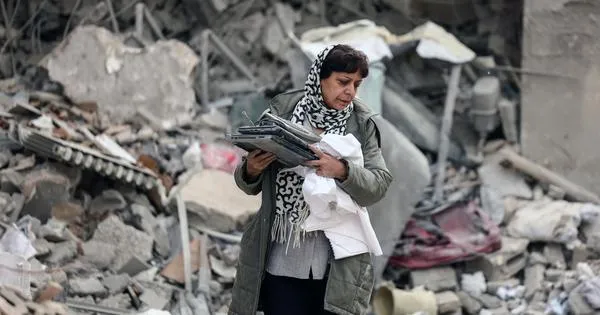
The articles discuss the complex responses to the conflict involving Iran, highlighting the need to empathize with Iranian civilians suffering under both external military actions and internal religious despotism. They note the selective global sensitivity toward sacred times, contrasting Western reactions to attacks during Ramadan with past responses to other religious observances. Additionally, the discourse among Indian Muslim intellectuals reveals challenges in moving beyond religious identity toward nuanced foreign policy analysis amid regional tensions and historical alliances.
Political Bias
55%40%5%
Sentiment
35%
21 stories available
View AI Analysis
Bias Analysis: The articles represent diverse viewpoints, including critiques of Western imperialism and its impact on Iran, concerns about internal authoritarianism within Iran, and reflections on religious identity influencing political stances. They incorporate perspectives from progressive critics, regional observers, and intellectual debates within Indian Muslim communities, balancing geopolitical, religious, and human rights considerations without privileging any single narrative.
Sentiment: The overall tone is measured and reflective, combining empathy for civilian suffering with critical analysis of political and religious dynamics. Coverage acknowledges the tragedy of war and repression while questioning selective moral responses and identity-driven alignments. The sentiment is neither wholly positive nor negative but presents a nuanced, thoughtful engagement with the complexities of the Iran crisis and its broader implications.
Lens Score: 20/100 — Story is well-covered by media outlets. Public interest: 0/100. Coverage gap: 90%.
Related Coverage
Select a news story to see related coverage from other media outlets.