India Strengthens Critical Minerals Partnerships with Australia, Indonesia, and France
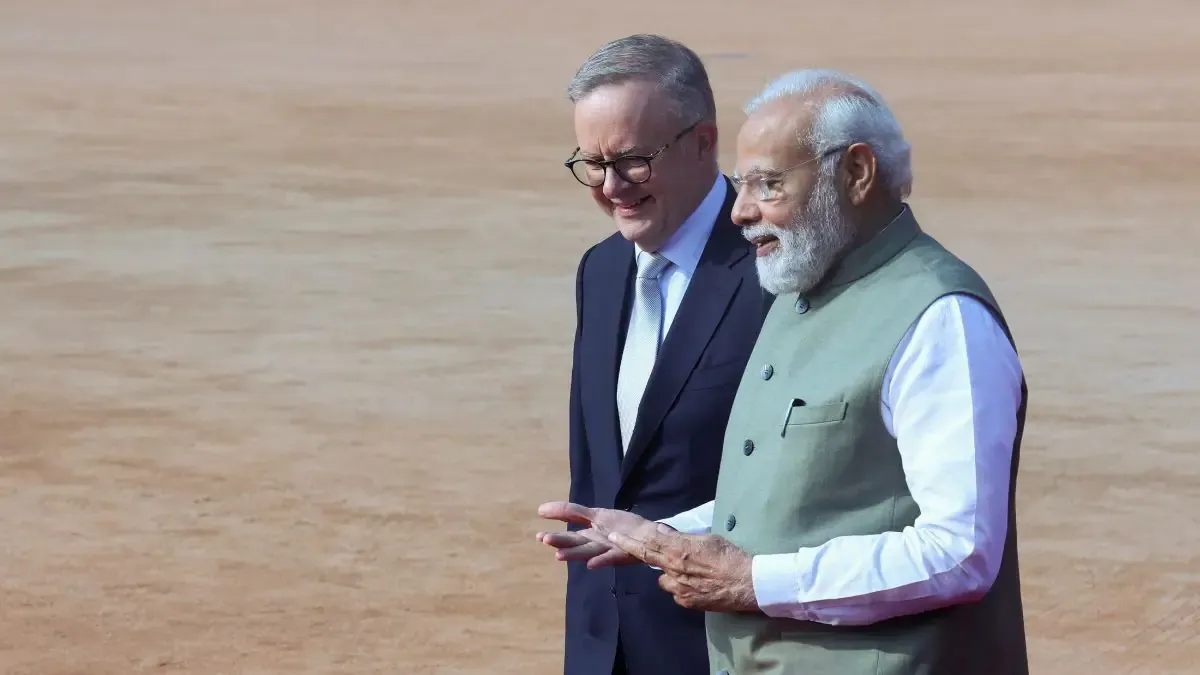
Prime Minister Narendra Modi's recent visits to Australia and Indonesia highlight the strategic importance of critical minerals in India's economic and defense partnerships. India aims to secure supply chains for minerals like nickel, lithium, and rare earth elements essential for clean energy, electric vehicles, and technology sectors. Concurrently, India and France initiated their first joint working group to enhance cooperation in exploration, processing, and recycling of critical minerals, focusing on building resilient and sustainable supply chains amid global supply risks.
First-hand measurement across 5 sources
We measured how 5 outlets covered this story. Coverage leans balanced overall (Left 8%, Centre 87%, Right 5%). Overall sentiment is positive (72/100). Lens Score 31/100 — low public interest.
Outlets analysed (first-hand measurement by TBN's Bias Engine):
- firstpost— balanced framing, positive sentiment
- economictimes— balanced framing, positive sentiment
- thetribune— balanced framing, positive sentiment
- news18— balanced framing, neutral sentiment
- thetribune— balanced framing, positive sentiment
AI Analysis
The article group presents a range of perspectives emphasizing India's strategic efforts to secure critical mineral supplies through international partnerships. Coverage includes government-led initiatives and bilateral cooperation with Australia, Indonesia, and France, framed primarily around economic growth, technological advancement, and supply chain security. The sources focus on official statements and expert reports without partisan framing, reflecting a consensus on the importance of these minerals for national interests.
The overall tone across the articles is neutral to positive, highlighting proactive diplomatic engagements and collaborative efforts to address supply vulnerabilities in critical minerals. The coverage underscores opportunities for economic and technological development while acknowledging challenges related to supply risks. There is no evident negative sentiment; instead, the narrative conveys constructive international cooperation and strategic planning.