Narendra Modi's 12-Year Tenure: Governance, Economic Resilience, and Political Challenges
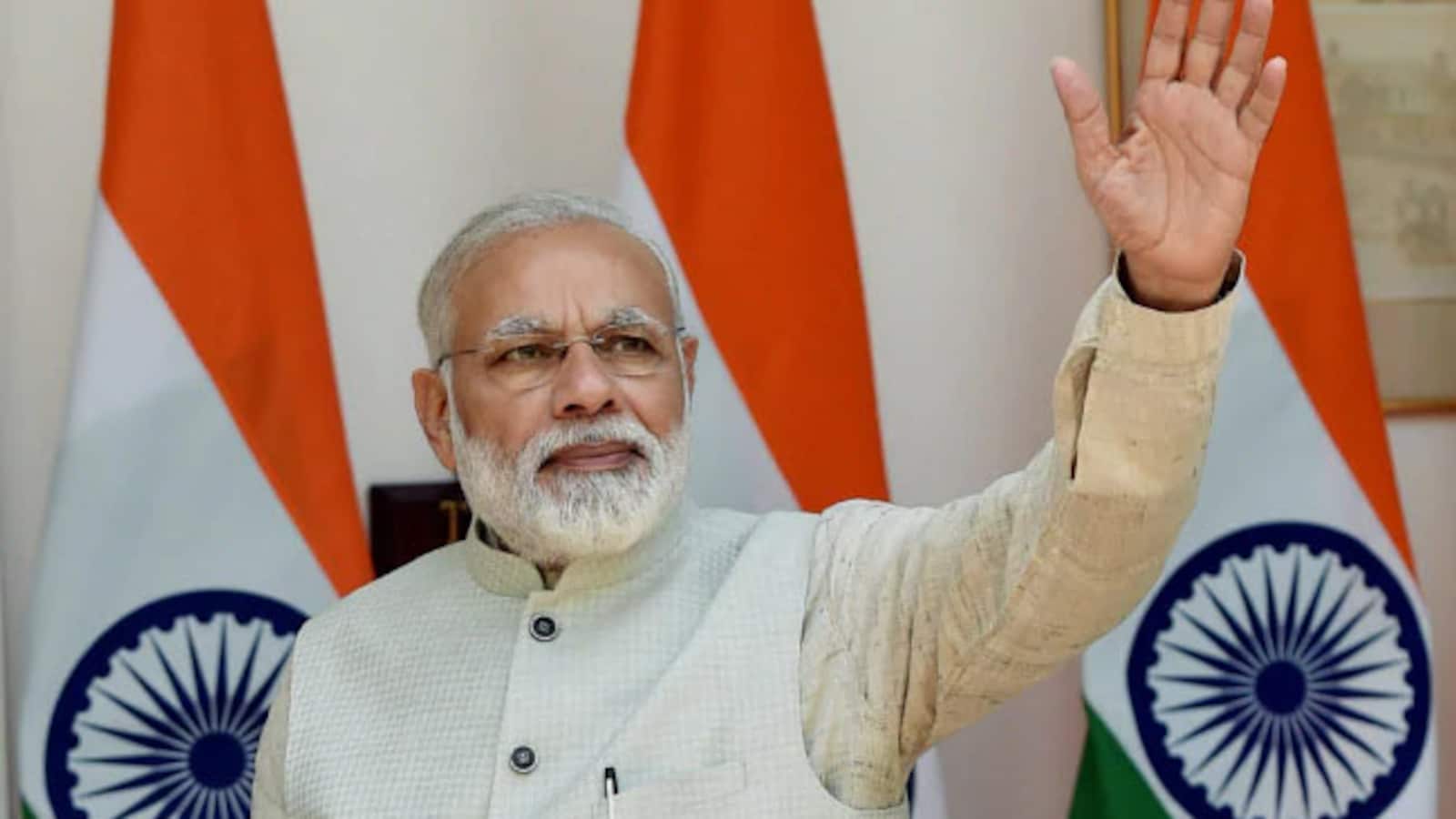
Prime Minister Narendra Modi has completed 12 years in office, surpassing Jawaharlal Nehru's record as India's longest-serving elected leader. Supporters highlight his pragmatic governance, economic resilience amid global challenges, and connection with India's civilisational identity. Critics point to his strategic silence on diplomatic tensions, particularly with the US, and the weakening opposition, including internal Congress party struggles. Analyses compare Modi's approach to governance with conservative principles emphasizing gradual reform and tradition, while debates continue over his political style and impact on India's democracy.
First-hand measurement across 5 sources
We measured how 5 outlets covered this story. Coverage leans centre-right overall (Left 34%, Centre 30%, Right 36%). Overall sentiment is neutral (62/100). Lens Score 22/100 — low public interest.
Outlets analysed (first-hand measurement by TBN's Bias Engine):
- thetelegraph— right-leaning framing, positive sentiment
- indianexpress— right-leaning framing, positive sentiment
- ndtv— balanced framing, positive sentiment
- newslaundry— left-leaning framing, negative sentiment
- scrollin— left-leaning framing, neutral sentiment
AI Analysis
The article group presents a range of political perspectives, including supportive views emphasizing Modi's leadership and economic policies, conservative ideological comparisons, and critical voices focusing on his diplomatic silence and opposition weaknesses. Sources reflect both pro-government and opposition-aligned viewpoints, highlighting debates over Modi's style, governance philosophy, and the state of India's political landscape.
The overall sentiment is mixed, combining positive assessments of Modi's economic management and political longevity with critical commentary on his handling of international relations and the opposition's internal issues. While some articles praise his pragmatic and culturally rooted governance, others express concern over strategic silences and political consolidation, resulting in a balanced tone across the group.