Penpa Tsering Sworn In for Second Term as Leader of Tibetan Government-in-Exile
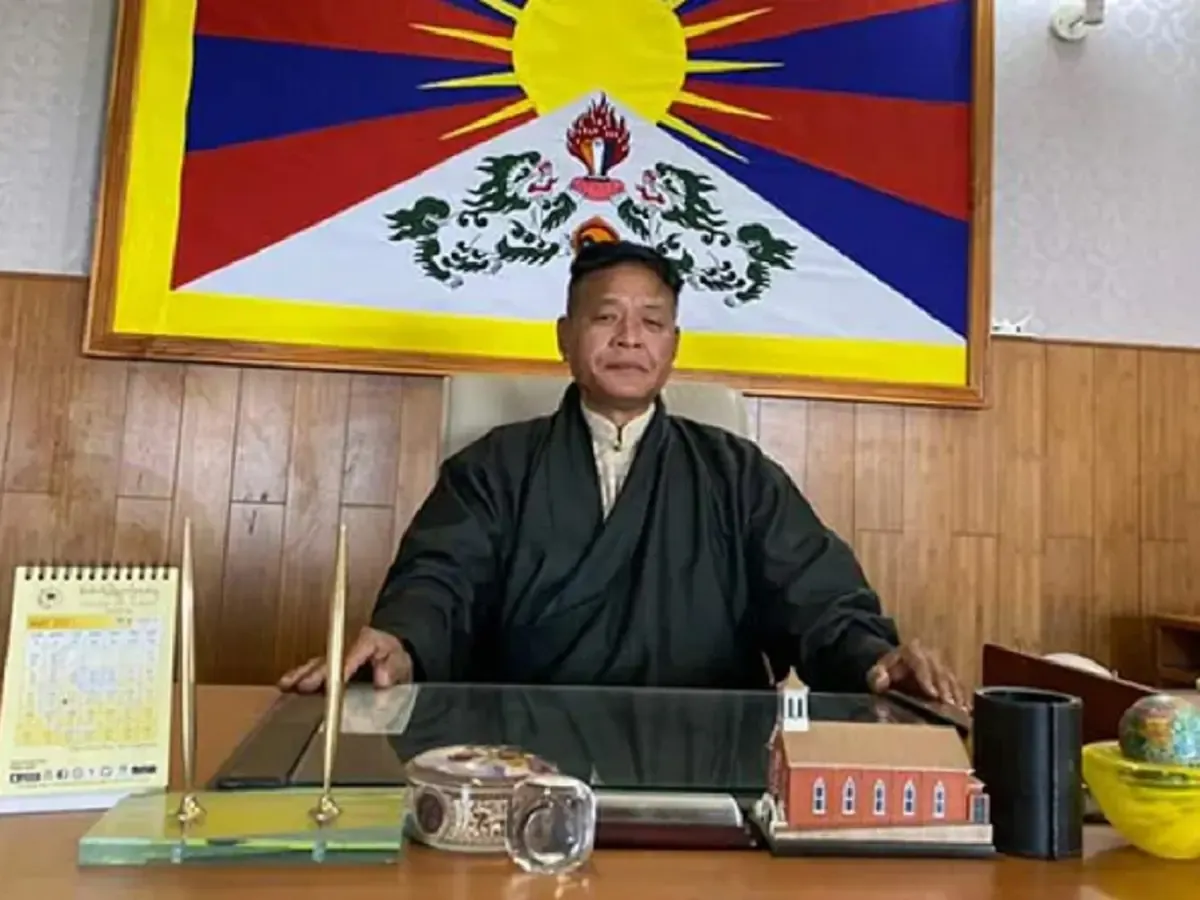
Penpa Tsering was sworn in for a second five-year term as Sikyong, or political leader, of the Central Tibetan Administration (CTA), the Tibetan government-in-exile based in Dharamsala, India. The ceremony was attended by the 14th Dalai Lama, Tibetan community members, and international guests, including Indian MPs and US Embassy officials. Tsering secured over 61% of votes from the global Tibetan diaspora in elections held across 27 countries. He reaffirmed commitment to the Dalai Lama's Middle Way policy seeking autonomy through nonviolence and dialogue, while criticizing China's policies aimed at eroding Tibetan identity. China regards the CTA as a separatist group and insists on controlling the Dalai Lama's reincarnation process, a claim rejected by the CTA and the Dalai Lama.
AI Analysis
The article group presents perspectives from the Tibetan exile leadership, including Penpa Tsering and the Dalai Lama, emphasizing their democratic election and Middle Way policy. It also includes China's position labeling the CTA as separatist and asserting control over Tibetan religious affairs. Indian and US officials' attendance is noted, reflecting international support. Coverage balances Tibetan aspirations for autonomy with China's sovereignty claims, highlighting geopolitical tensions without endorsing either side.
The overall tone is measured and respectful, focusing on the ceremonial aspects and political significance of Tsering's swearing-in. Positive sentiment appears in descriptions of democratic processes and cultural preservation efforts, while critical views are expressed regarding China's policies toward Tibet. The sentiment is mixed but remains neutral, avoiding sensationalism and presenting both Tibetan leadership's commitments and China's objections factually.