Trump Reiterates US Control Claim Over Greenland Amid NATO Summit Tensions
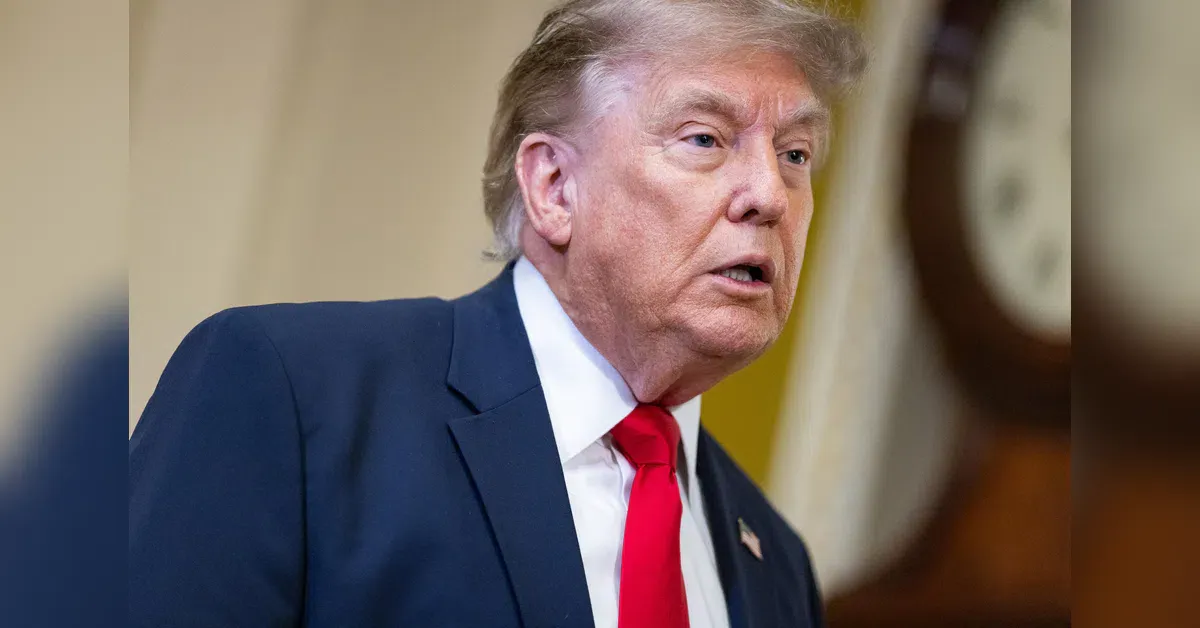
At the NATO summit in Turkey, US President Donald Trump reiterated that Greenland, an autonomous Danish territory, should be controlled by the United States rather than Denmark, citing its strategic importance amid Russian and Chinese activity in the Arctic. Trump linked this stance to strained US-NATO relations and criticized Denmark's investment in Greenland. Danish Prime Minister Mette Frederiksen and Greenland's leaders firmly rejected the proposal, affirming Greenland's sovereignty and that it is not for sale. US-Denmark discussions on the matter continue.
First-hand measurement across 9 sources
We measured how 9 outlets covered this story. Coverage leans balanced overall (Left 17%, Centre 76%, Right 7%). Overall sentiment is neutral (41/100). Lens Score 39/100 — moderate-to-low public interest.
Outlets analysed (first-hand measurement by TBN's Bias Engine):
- thetribune— balanced framing, neutral sentiment
- wion— balanced framing, neutral sentiment
- theprint— balanced framing, neutral sentiment
- news18— balanced framing, negative sentiment
- thefinancialexpress— balanced framing, neutral sentiment
- hindustantimes— balanced framing, neutral sentiment
- firstpost— balanced framing, neutral sentiment
- businessstandard— balanced framing, neutral sentiment
AI Analysis
The article group presents perspectives from both the US administration, emphasizing national security and strategic interests, and Danish and Greenlandic officials asserting sovereignty and rejecting US claims. Coverage includes Trump's criticism of NATO allies and European defense spending, alongside official denials from Denmark and Greenland, reflecting a balance between American assertiveness and European resistance without favoring either side.
The overall tone is neutral to cautious, highlighting diplomatic tensions without sensationalism. Trump's remarks are reported factually along with the firm rejections from Danish and Greenlandic leaders. The coverage acknowledges the strain on US-Europe relations and NATO ties, presenting the dispute as a serious but managed diplomatic issue rather than escalating conflict.