South Asia Navigates Transboundary Water Challenges Amid Shifting Diplomatic and Infrastructure Strategies
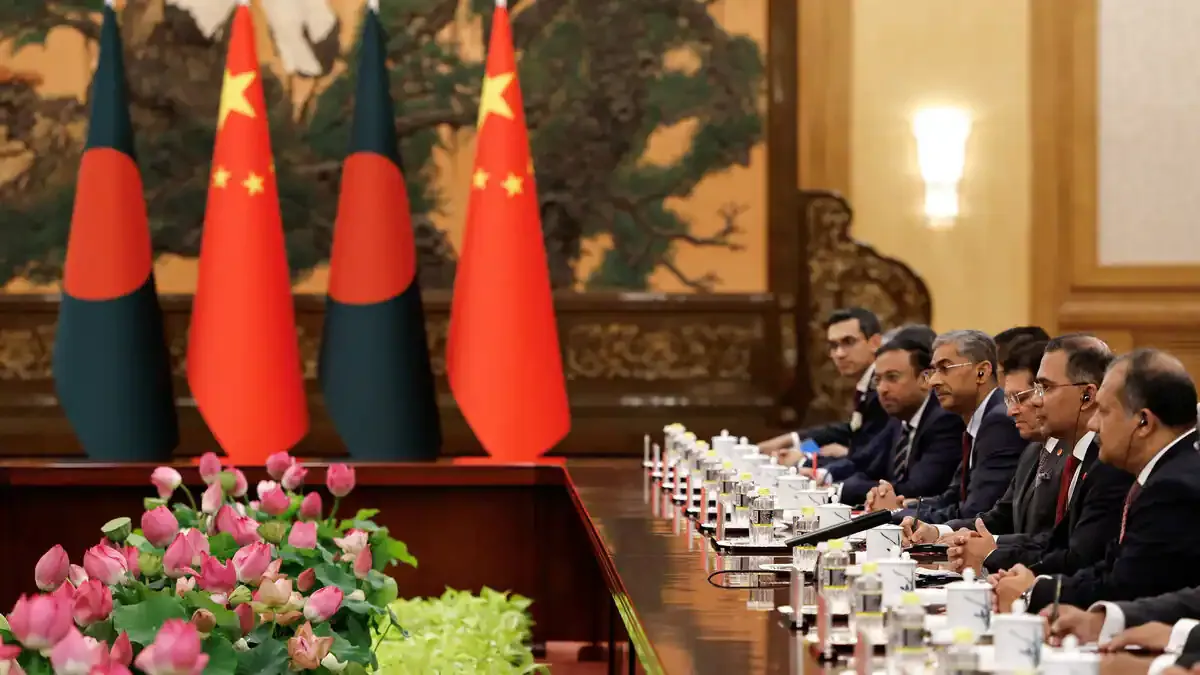
South Asia's transboundary river management faces evolving challenges as Bangladesh shifts toward Chinese collaboration on the Teesta River amid stalled India-Bangladesh talks. In India's Northeast, infrastructure projects like the Siang Upper Multipurpose Project gain local support despite opposition favoring diplomatic treaties. Meanwhile, India reassesses the Indus Waters Treaty with Pakistan, pausing it after 2025 attacks and advancing water diversion and hydroelectric projects to enhance regional water security and development.
First-hand measurement across 3 sources
We measured how 3 outlets covered this story. Coverage leans balanced overall (Left 13%, Centre 60%, Right 27%). Overall sentiment is neutral (53/100). Lens Score 23/100 — low public interest.
Outlets analysed (first-hand measurement by TBN's Bias Engine):
- arunachaltimesin— right-leaning framing, neutral sentiment
- ndtv— balanced framing, neutral sentiment
- firstpost— balanced framing, neutral sentiment
AI Analysis
The articles collectively present multiple geopolitical perspectives, including Bangladesh's pivot to China reflecting frustration with India, India's strategic infrastructure focus in Arunachal Pradesh amid local and external opposition, and India's assertive stance on the Indus Waters Treaty with Pakistan following security concerns. Sources frame the story through diplomatic, regional security, and development lenses without overt partisan bias.
The overall tone is measured and analytical, highlighting strategic challenges and responses without emotive language. Coverage acknowledges frustrations and risks in diplomatic relations, local community dynamics regarding infrastructure, and security-driven treaty adjustments, resulting in a balanced sentiment that is neither overly optimistic nor pessimistic.