Indian Railways Doubles Minimum Fine for Ticketless Travel to Rs 500 from June 20
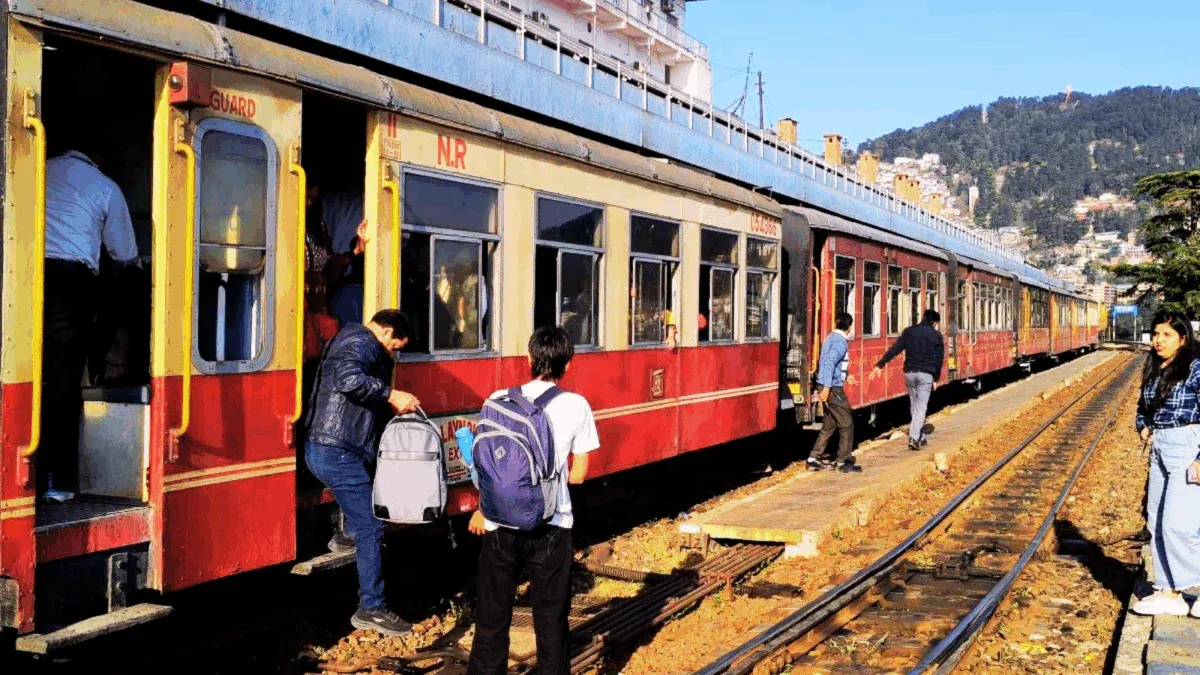
Indian Railways has doubled the minimum penalty for ticketless travel from Rs 250 to Rs 500, effective June 20, 2026, under the Jan Vishwas (Amendment of Provisions) Act, 2026. Passengers caught without valid tickets must pay the fare plus the revised fine. The amendments also address other offences like using another person's ticket and unauthorised activities on railway premises, with penalties ranging up to Rs 5,000 and possible legal action. Authorities urge compliance to ensure smooth operations and safety.
First-hand measurement across 9 sources
We measured how 9 outlets covered this story. Coverage leans balanced overall (Left 0%, Centre 100%, Right 0%). Overall sentiment is neutral (54/100). Lens Score 36/100 — moderate-to-low public interest.
Outlets analysed (first-hand measurement by TBN's Bias Engine):
- freepressjournal— balanced framing, neutral sentiment
- freepressjournal— balanced framing, neutral sentiment
- freepressjournal— balanced framing, neutral sentiment
- freepressjournal— balanced framing, neutral sentiment
- oneindia— balanced framing, neutral sentiment
- economictimes— balanced framing, neutral sentiment
- swarajyamag— balanced framing, neutral sentiment
- news18— balanced framing, neutral sentiment
AI Analysis
The article group presents a largely neutral governmental perspective focused on regulatory changes by Indian Railways and the Ministry of Railways. Coverage emphasizes official announcements and legal provisions without partisan framing. There is limited representation of public opinion or opposition viewpoints, reflecting a consensus on enforcement rather than political debate.
The overall tone across the articles is factual and neutral, focusing on the procedural update of penalty increases. While the coverage highlights stricter enforcement and potential legal consequences, it avoids emotive language or criticism. The sentiment is primarily informative, aiming to alert passengers about new rules rather than expressing positive or negative judgments.
How 9 sources covered this story
Each source's own headline, political lean, and sentiment — so you can see framing differences at a glance.