3 hours agoPolitics
33LENS
4 SourcesIran
 thebalanced.news
US Treasury Secretary Supports Escalating Military Actions Amid Iran Strait of Hormuz Tensions
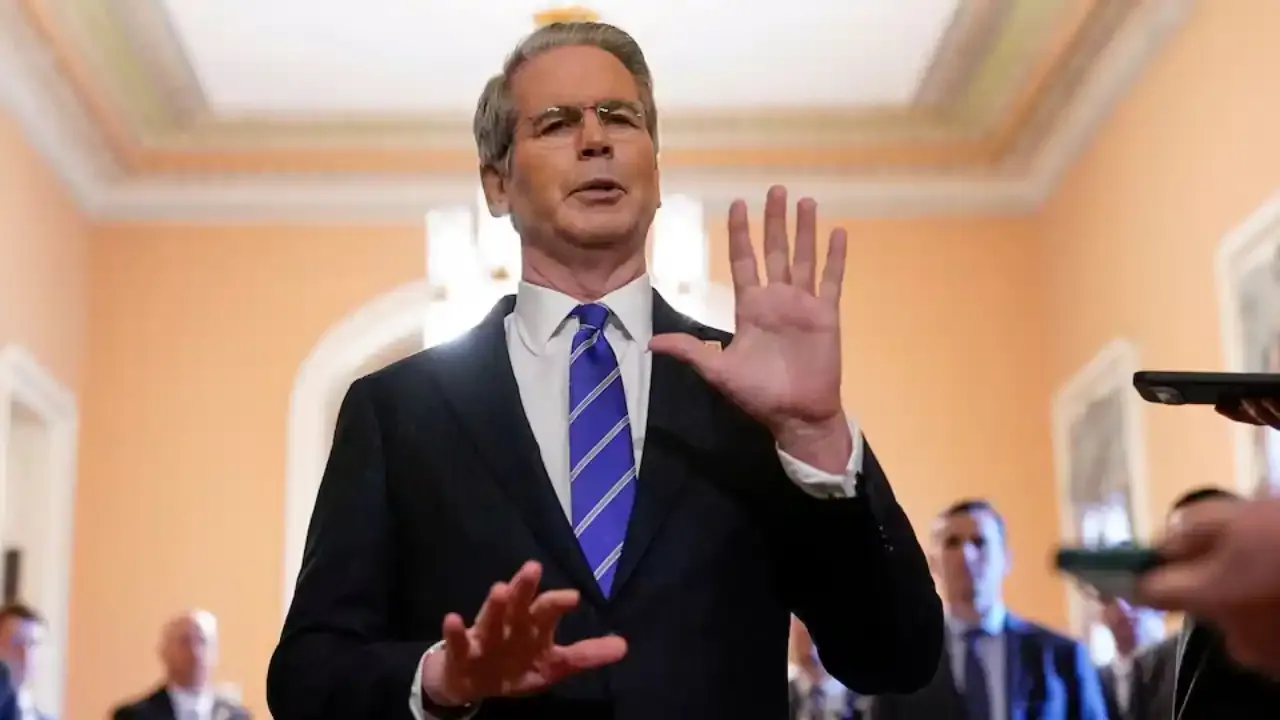
US Treasury Secretary Scott Bessent defended escalating military actions against Iran, stating that "sometimes you have to escalate to de-escalate" to achieve US goals, including neutralizing Iran's air force, navy, and nuclear capabilities. This follows President Trump's 48-hour ultimatum for Iran to reopen the Strait of Hormuz, a key oil route closed amid the conflict. While US strikes have targeted Iranian infrastructure, officials have so far avoided hitting oil facilities directly, amid rising global fuel prices and regional tensions. Iran has warned of retaliatory attacks if its energy infrastructure is targeted.
Political Bias
8%84%8%
Sentiment
36%
21 stories available
View AI Analysis
Bias Analysis: The article group presents perspectives primarily from US government officials emphasizing a firm stance against Iran, highlighting military escalation as a strategic necessity. Iranian responses are included through official warnings, reflecting the regional tension. Coverage focuses on US policy and rhetoric without endorsing either side, representing both US and Iranian positions on the conflict and its implications.
Sentiment: The overall tone is serious and cautious, reflecting heightened tensions and the potential for conflict escalation. US officials express determination and justification for military actions, while Iranian warnings introduce a tone of threat and retaliation. The coverage balances concern over rising fuel prices and geopolitical risks without overtly positive or negative sentiment toward either party.
Lens Score: 33/100 — Story is well-covered by media outlets. Public interest: 0/100. Coverage gap: 100%.
Related Coverage
Select a news story to see related coverage from other media outlets.