Supreme Court Clarifies Abusive Language Not Automatically Obscene Under IPC
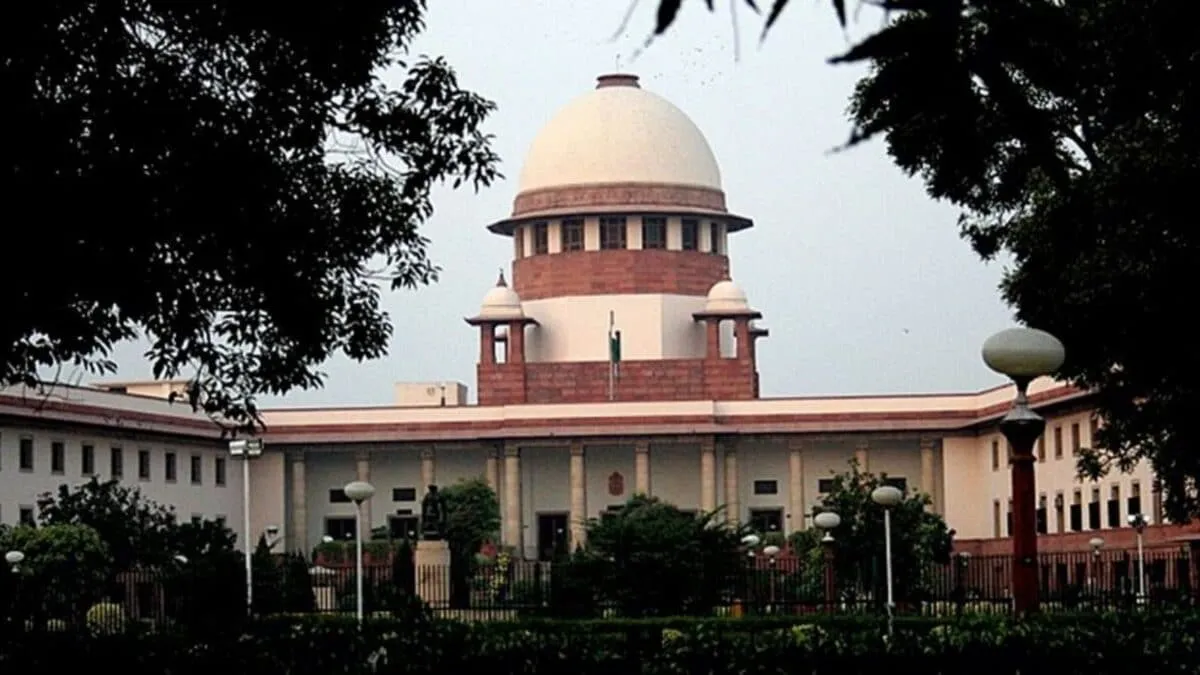
The Supreme Court ruled that using abusive or vulgar language alone does not constitute obscenity under Section 294(b) of the Indian Penal Code unless the words are lascivious, appeal to prurient interests, and tend to deprave or corrupt those exposed. This clarification arose from a 2017 Tamil Nadu land dispute case where a man was convicted for obscenity and grievous hurt. The Court upheld his conviction for causing grievous hurt but reduced his sentence and set aside obscenity and criminal intimidation charges.
First-hand measurement across 2 sources
We measured how 2 outlets covered this story. Coverage leans balanced overall (Left 0%, Centre 100%, Right 0%). Overall sentiment is neutral (52/100). Lens Score 33/100 — low public interest.
Outlets analysed (first-hand measurement by TBN's Bias Engine):
- news18— balanced framing, neutral sentiment
- zeenews— balanced framing, neutral sentiment
AI Analysis
The article group presents a legal perspective focused on the Supreme Court's interpretation of obscenity laws without political framing. Coverage centers on judicial reasoning and case details, reflecting a neutral stance emphasizing legal definitions and distinctions. There is no evident political bias, as the sources uniformly report the Court's decision and its implications for criminal law application.
The overall tone across the articles is neutral and factual, concentrating on the Supreme Court's legal clarification. While the language acknowledges the offensive nature of the words involved, the sentiment remains balanced, avoiding sensationalism. The coverage highlights the Court's nuanced distinction between vulgarity and obscenity and the partial relief granted to the appellant, maintaining an objective and informative tone.