Supreme Court Rules Abusive Language Alone Does Not Constitute Obscenity Under IPC
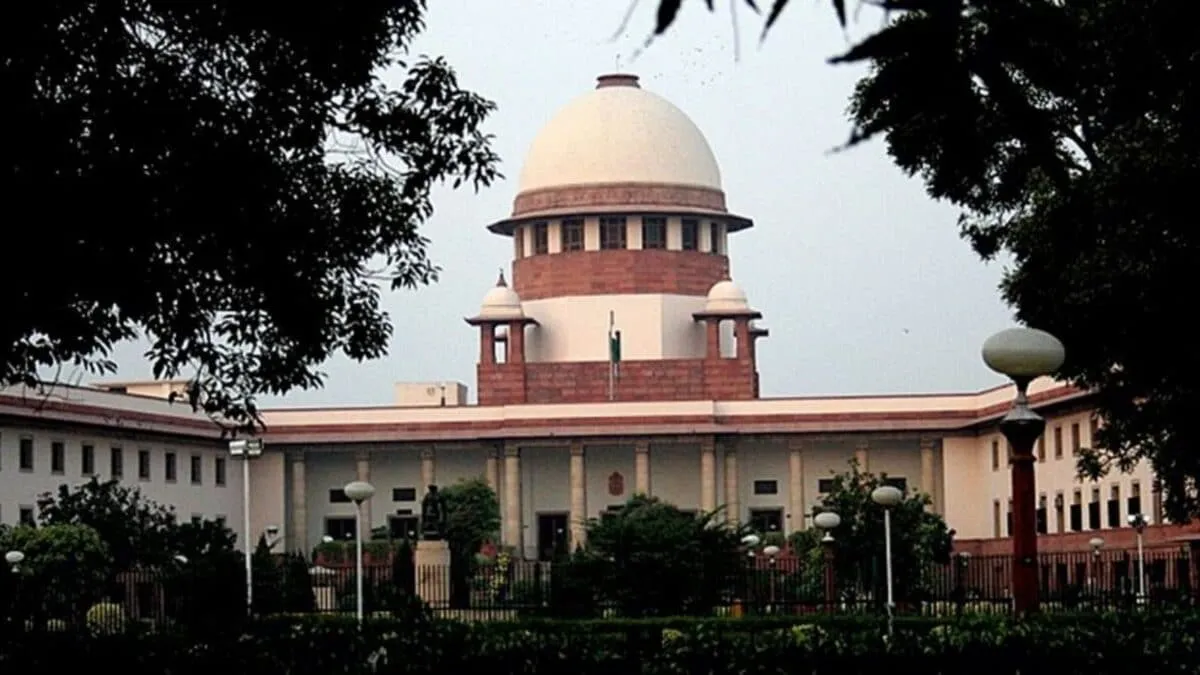
The Supreme Court ruled that abusive or vulgar language alone does not constitute obscenity under Section 294(b) of the IPC unless it is lascivious, appeals to prurient interests, and tends to deprave or corrupt those exposed. The judgment arose from a 2017 Tamil Nadu land dispute case where a man was convicted for using profane language and causing grievous hurt. While the obscenity conviction was overturned, the Court upheld the assault charge, reducing the sentence and imposing a fine.
First-hand measurement across 2 sources
We measured how 2 outlets covered this story. Coverage leans balanced overall (Left 0%, Centre 100%, Right 0%). Overall sentiment is neutral (52/100). Lens Score 33/100 — low public interest.
Outlets analysed (first-hand measurement by TBN's Bias Engine):
- news18— balanced framing, neutral sentiment
- zeenews— balanced framing, neutral sentiment
AI Analysis
The articles present a legal perspective focused on the Supreme Court's interpretation of obscenity laws without political framing. Both sources emphasize judicial reasoning and legal distinctions, reflecting a neutral stance centered on law and order. There is no evident political bias, as the coverage concentrates on the court's decision and its implications for criminal law.
The tone across the articles is neutral and factual, focusing on the Supreme Court's clarification of legal standards. The coverage neither praises nor criticizes the judgment but reports the ruling and its context objectively. The sentiment is balanced, conveying the court's nuanced approach to obscenity and criminal liability without emotional language.
How 2 sources covered this story
Each source's own headline, political lean, and sentiment — so you can see framing differences at a glance.