Skip to content
Get the Balanced News app for a better experience!
The Balanced News Logo
Analytics
The Balanced News Logo

Stay Balanced, Stay Informed

Menu
  • Browse News
  • Underreported Stories
  • Curated Feeds
  • Insights
  • Analytics
  • Our Writers
  • About Us
  • Download App
Learn
  • How It Works
  • Bias Detection
  • Lens Score
  • Source Bias Checker
  • Accountability
  • Custom Feeds
Newsroom
  • Writers & Analysts
  • About TBN
  • Editorial Standards
  • Corrections Policy
  • Our Partners
  • Insights
Socials
  • Youtube
  • Instagram
  • X
  • Facebook
News Categories
  • Trending
  • Politics
  • Sports
  • Business
  • Tech
  • Entertainment
  • Health
  • Science
  • Crime
  • Lifestyle
  • National
  • International
  • Good News
  • Crypto

Get Our App

Available for iOS and Android


LensFeedsInsightsAnalyticsTrendingGood NewsSportsPoliticsBusinessCrimeTechEntertainmentHealthNationalInternational

© 2026 The Balanced News. All rights reserved.

About UsEditorial StandardsCorrectionsHelp & SupportPrivacy PolicyTerms & Conditions
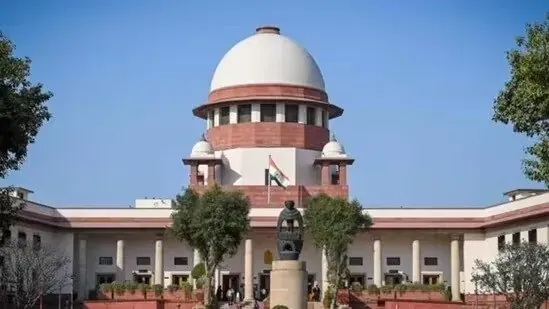
Supreme Court Rules Abusive Language Not Automatically Obscene Under IPC Section 294(b)
Categories

Categories

Related Coverage

Select a news story to see related coverage from other media outlets.

Related Coverage

Select a news story to see related coverage from other media outlets.

  1. Home
  2. /
  3. Politics

Supreme Court Rules Abusive Language Not Automatically Obscene Under IPC Section 294(b)

Analysed 19 Jul 2026·10 sources analysed·Chennai, India·Politics
Supreme Court Rules Abusive Language Not Automatically Obscene Under IPC Section 294(b)PreviousNext

The Supreme Court of India ruled that using abusive or vulgar language, including words like "motherf ker" and "son of a wh re," does not automatically constitute the offence of obscenity under Section 294(b) of the IPC. The Court clarified that obscenity requires language to be lascivious, appeal to prurient interests, and have the tendency to deprave or corrupt. The ruling arose from a 2017 Tamil Nadu land dispute case, where the Court upheld the man's conviction for causing grievous hurt with a billhook but reduced his sentence and imposed a fine.

TBN's observations

First-hand measurement across 5 sources

We measured how 5 outlets covered this story. Coverage leans balanced overall (Left 6%, Centre 91%, Right 3%). Overall sentiment is neutral (52/100). Lens Score 33/100 — low public interest.

Outlets analysed (first-hand measurement by TBN's Bias Engine):

  • republicworld— balanced framing, neutral sentiment
  • freepressjournal— balanced framing, neutral sentiment
  • hindustantimes— balanced framing, neutral sentiment
  • news18— balanced framing, neutral sentiment
  • zeenews— balanced framing, neutral sentiment
Political Bias
6%91%3%
Sentiment
52%
AI analysis of 5 sources · Published under editorial oversight by The Balanced News
Analysed 19 Jul 2026· How this analysis is produced· Editorial standards· Corrections

AI Analysis

Political bias across 10 sources
● Left 6%● Center 91%● Right 3%

The article group presents a legal perspective focused on the Supreme Court's interpretation of obscenity laws, reflecting judicial viewpoints without evident political framing. Coverage centers on legal definitions and case facts, with no partisan commentary or political stakeholder opinions, maintaining a neutral stance on the issue.

Sentiment — Neutral (52/100)

The overall tone across the articles is neutral and factual, emphasizing legal clarifications and court decisions without emotive language. While the language acknowledges the offensiveness of the words involved, the sentiment remains balanced, focusing on the distinction between vulgarity and criminal obscenity and the judicial reasoning behind the verdict.

How 5 sources covered this story

Each source's own headline, political lean, and sentiment — so you can see framing differences at a glance.

AI analysis by the TBN Bias Engine · beat methodology byPrajakta Kale· Political Analyst· editorial standards byOjas Kale
← Previous
Israel Commemorates 1994 AMIA Bombing Victims Ahead of FIFA World Cup Final
Next →
India Advises Citizens to Postpone Iran Travel and Consider Leaving Amid Rising Conflict
SourceTheir headlineBiasSentiment
republicworldCalling Someone a "Motherf er" Isn't Always Criminal Obscenity: Supreme Court Draws Strict Legal LineCenterNeutral
freepressjournalMere Swear Words Not Obscenity, Rules Supreme Court; Upholds Grievous Hurt ConvictionCenterNeutral
hindustantimesIs using abusive words like 'motherf ker' punishable under obscenity law? What Supreme Court saysCenterNeutral
news18Is Calling Someone 'Motherf ker', 'Son Of A Wh re' Obscene? Here's What Supreme Court SaysCenterNeutral
zeenewsAbusive, vulgar words alone do not amount to obscenity under IPC: Supreme CourtCenterNeutral

Coverage timeline

zeenews broke this story on 17 Jul, 03:10 pm. Other outlets followed.

  1. 1
    zeenews17 Jul, 03:10 pm
    Abusive, vulgar words alone do not amount to obscenity under IPC: Supreme Court
  2. 2
    news1818 Jul, 09:34 am
    Is Calling Someone 'Motherf ker', 'Son Of A Wh re' Obscene? Here's What Supreme Court Says
  3. 3
    hindustantimes18 Jul, 11:55 am
    Is using abusive words like 'motherf ker' punishable under obscenity law? What Supreme Court says
  4. 4
    freepressjournal18 Jul, 01:37 pm
    Mere Swear Words Not Obscenity, Rules Supreme Court; Upholds Grievous Hurt Conviction
  5. 5
    republicworld18 Jul, 04:11 pm
    Calling Someone a "Motherf er" Isn't Always Criminal Obscenity: Supreme Court Draws Strict Legal Line

Lens Score breakdown

33/100
Public interest0/100
Coverage gap100%

Well-covered story — coverage matches public importance.

Who's involved

Institutions and figures named across source coverage.

Government
Supreme Court
Judiciary
Trial CourtMadras High CourtJustice Vipul M. PancholiJustice Sanjay KarolSupreme Court

Story context

Category
Politics
Location
Chennai, India
Sources analysed
10
Last analysed
19 Jul 2026
Key entities
ObscenityIndian Penal CodeIntimidationSupreme Court of IndiaProfanityTrial courtAcquittalTamil NaduScheduled Castes and Scheduled TribesNasal boneSupreme courtAppeal