U.S.-Iran Peace Framework Faces Scrutiny Amid Israeli Concerns and Regional Tensions
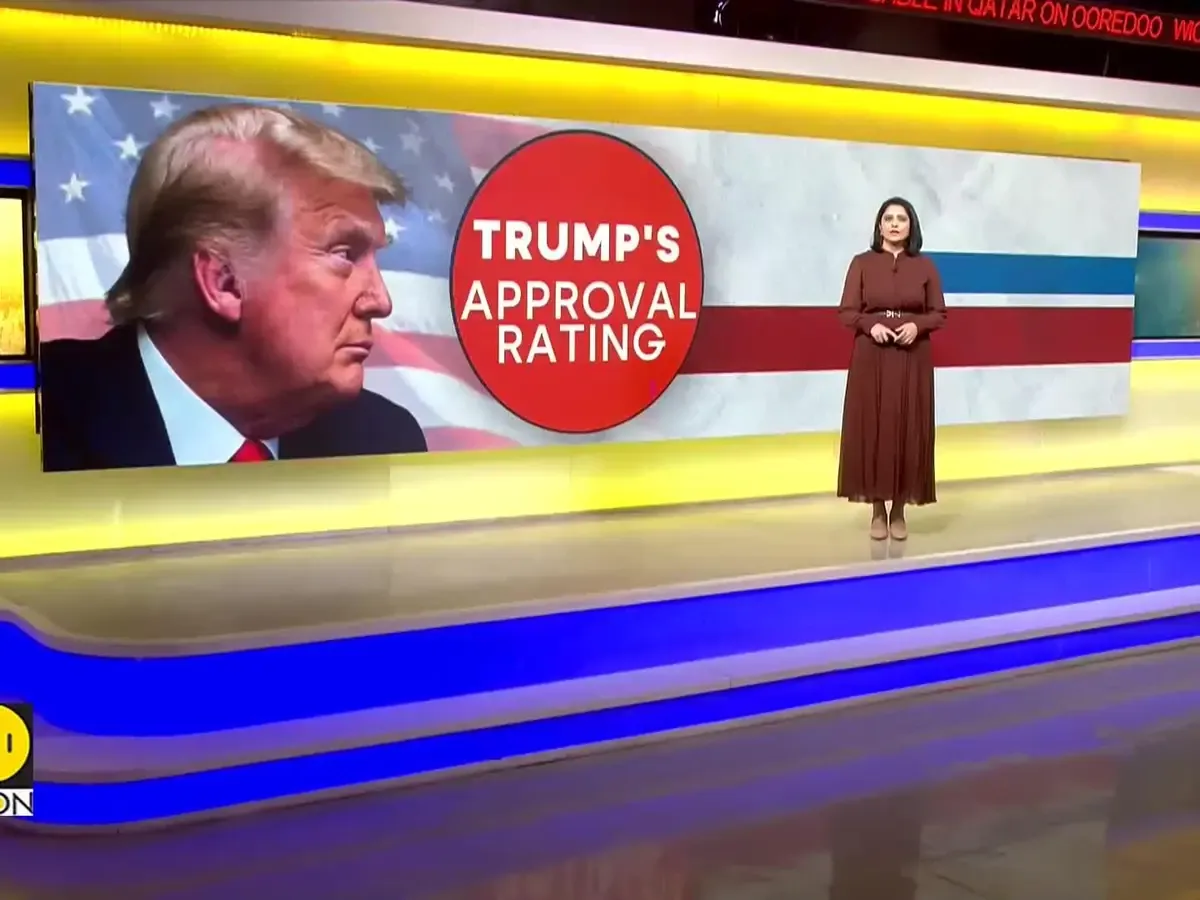
The U.S.-Iran peace framework, promoted by President Donald Trump, faces increasing scrutiny in Washington over its clarity and long-term viability. Vice President J.D. Vance stresses Iran's need for sustained commitment. Meanwhile, Israeli Prime Minister Benjamin Netanyahu has yet to review the agreement's full details, raising concerns in Jerusalem about regional security amid tensions involving Lebanon and upcoming elections. Lawmakers and experts debate the deal's impact on Middle East stability, energy markets, and U.S. influence.
First-hand measurement across 2 sources
We measured how 2 outlets covered this story. Coverage leans balanced overall (Left 15%, Centre 80%, Right 5%). Overall sentiment is neutral (45/100). Lens Score 31/100 — low public interest.
Outlets analysed (first-hand measurement by TBN's Bias Engine):
- wion— balanced framing, neutral sentiment
- wion— balanced framing, neutral sentiment
AI Analysis
The articles present perspectives from U.S. political figures and Israeli leadership, highlighting domestic debates and regional security concerns without endorsing any position. They reflect a range of viewpoints including skepticism and cautious support within U.S. politics, as well as Israel's apprehension, providing a balanced view of the diplomatic and political complexities involved.
The overall tone is cautious and analytical, reflecting mixed sentiments. Coverage includes criticism regarding the agreement's clarity and accountability, alongside recognition of its potential to influence regional stability. The articles avoid overtly positive or negative language, focusing instead on the unfolding political debates and strategic considerations.
How 2 sources covered this story
Each source's own headline, political lean, and sentiment — so you can see framing differences at a glance.