Economic Challenges and Growth Prospects for Tamil Nadu and West Bengal
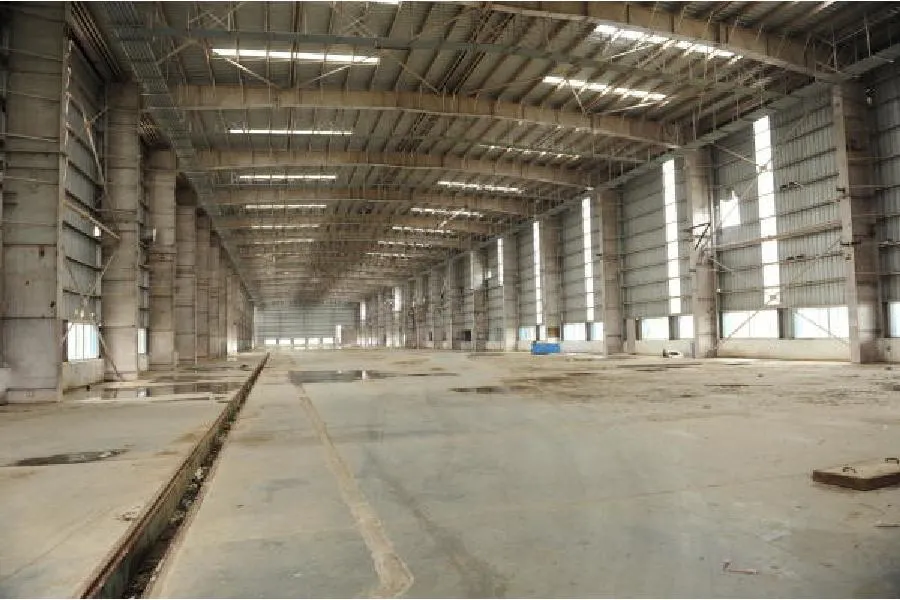
India's economic landscape shows a widening gap between states like Tamil Nadu and West Bengal. Tamil Nadu ranks second in Gross State Domestic Product (GSDP), driven by manufacturing, technology, and investment-friendly governance. West Bengal, once an industrial hub, ranks sixth with growth led by services and tech sectors but faces challenges from political and industrial setbacks, including the abandoned Tata Motors project. Both states' new governments in 2026 face distinct economic and governance challenges amid evolving priorities.
First-hand measurement across 2 sources
We measured how 2 outlets covered this story. Coverage leans balanced overall (Left 25%, Centre 60%, Right 15%). Overall sentiment is neutral (55/100). Lens Score 24/100 — low public interest.
Outlets analysed (first-hand measurement by TBN's Bias Engine):
- thetelegraph— balanced framing, neutral sentiment
- arunachaltimesin— balanced framing, neutral sentiment
AI Analysis
The articles present contrasting political perspectives on West Bengal's economic history and governance. One highlights the Left Front's ideological opposition to profit and its impact on industry, while the other emphasizes governance and investment climates shaping state economies. Tamil Nadu is portrayed as a model of industrial growth without partisan framing. Both viewpoints acknowledge political influence on economic outcomes without overt bias.
The overall tone is mixed, combining recognition of Tamil Nadu's economic strengths with critical reflections on West Bengal's industrial decline and governance challenges. While Tamil Nadu's growth is described positively, West Bengal's situation is framed with concern over missed opportunities and political obstacles, resulting in a balanced but cautiously critical sentiment.