Skip to content
Get the Balanced News app for a better experience!
The Balanced News Logo
Analytics
The Balanced News Logo

Stay Balanced, Stay Informed

Menu
  • Browse News
  • Underreported Stories
  • Curated Feeds
  • Insights
  • Analytics
  • Our Writers
  • About Us
  • Download App
Learn
  • How It Works
  • Bias Detection
  • Lens Score
  • Source Bias Checker
  • Accountability
  • Custom Feeds
Newsroom
  • Writers & Analysts
  • About TBN
  • Editorial Standards
  • Corrections Policy
  • Our Partners
  • Insights
Socials
  • Youtube
  • Instagram
  • X
  • Facebook
News Categories
  • Trending
  • Politics
  • Sports
  • Business
  • Tech
  • Entertainment
  • Health
  • Science
  • Crime
  • Lifestyle
  • National
  • International
  • Good News
  • Crypto

Get Our App

Available for iOS and Android


LensFeedsInsightsAnalyticsTrendingGood NewsSportsPoliticsBusinessCrimeTechEntertainmentHealthNationalInternational

© 2026 The Balanced News. All rights reserved.

About UsEditorial StandardsCorrectionsHelp & SupportPrivacy PolicyTerms & Conditions
Shifting Geopolitics in South Asia: US, Russia, Pakistan, and India Realignments
Categories

Categories

Related Coverage

Select a news story to see related coverage from other media outlets.

Related Coverage

Select a news story to see related coverage from other media outlets.

  1. Home
  2. /
  3. Politics

Shifting Geopolitics in South Asia: US, Russia, Pakistan, and India Realignments

Reviewed byPrajakta Kale· Political Analyst· Edited byOjas Kale
Analysed 31 May 2026·2 sources analysed·Washington (state), United States·Politics
Shifting Geopolitics in South Asia: US, Russia, Pakistan, and India RealignmentsPreviousNext

Recent developments in South Asia reflect shifting geopolitical dynamics. The US is encouraging Pakistan to join the Abraham Accords, but Pakistan's longstanding support for Palestine and non-recognition of Israel make this unlikely. Meanwhile, Russia has signed a military cooperation agreement with the Taliban, marking a strategic shift that weakens Pakistan's influence and offers India new opportunities to expand its presence in Central Asia. These changes highlight evolving alliances and regional power balances.

TBN's observations

First-hand measurement across 2 sources

We measured how 2 outlets covered this story. Coverage leans balanced overall (Left 25%, Centre 60%, Right 15%). Overall sentiment is neutral (55/100). Lens Score 30/100 — low public interest.

Outlets analysed (first-hand measurement by TBN's Bias Engine):

  • zeenews— balanced framing, neutral sentiment
  • economictimes— balanced framing, neutral sentiment
Political Bias
25%60%15%
Sentiment
55%
AI analysis of 2 sources · Published under editorial oversight by The Balanced News
Analysed 31 May 2026· How this analysis is produced· Editorial standards· Corrections

AI Analysis

Political bias across 2 sources
● Left 25%● Center 60%● Right 15%

The articles present perspectives from multiple geopolitical actors without overt bias, highlighting US diplomatic efforts, Pakistan's internal consensus on Palestine, Russia's engagement with the Taliban, and India's strategic positioning. Coverage includes viewpoints from South Asian analysts and regional stakeholders, reflecting a range of political interests and interpretations of evolving alliances.

Sentiment — Neutral (55/100)

The tone across the articles is analytical and neutral, focusing on factual reporting of diplomatic and military developments. While the implications for Pakistan are described as challenging, the language remains descriptive rather than emotive. The coverage balances the strategic opportunities for India with the constraints faced by Pakistan, maintaining an objective stance throughout.

How 2 sources covered this story

Each source's own headline, political lean, and sentiment — so you can see framing differences at a glance.

← Previous
Rajya Sabha Nominations Begin in Tamil Nadu; TVK Expected to Contest Seat
Next →
Widespread Protests Planned in PoJK and PoGB Amid Political and Economic Grievances
SourceTheir headlineBiasSentiment
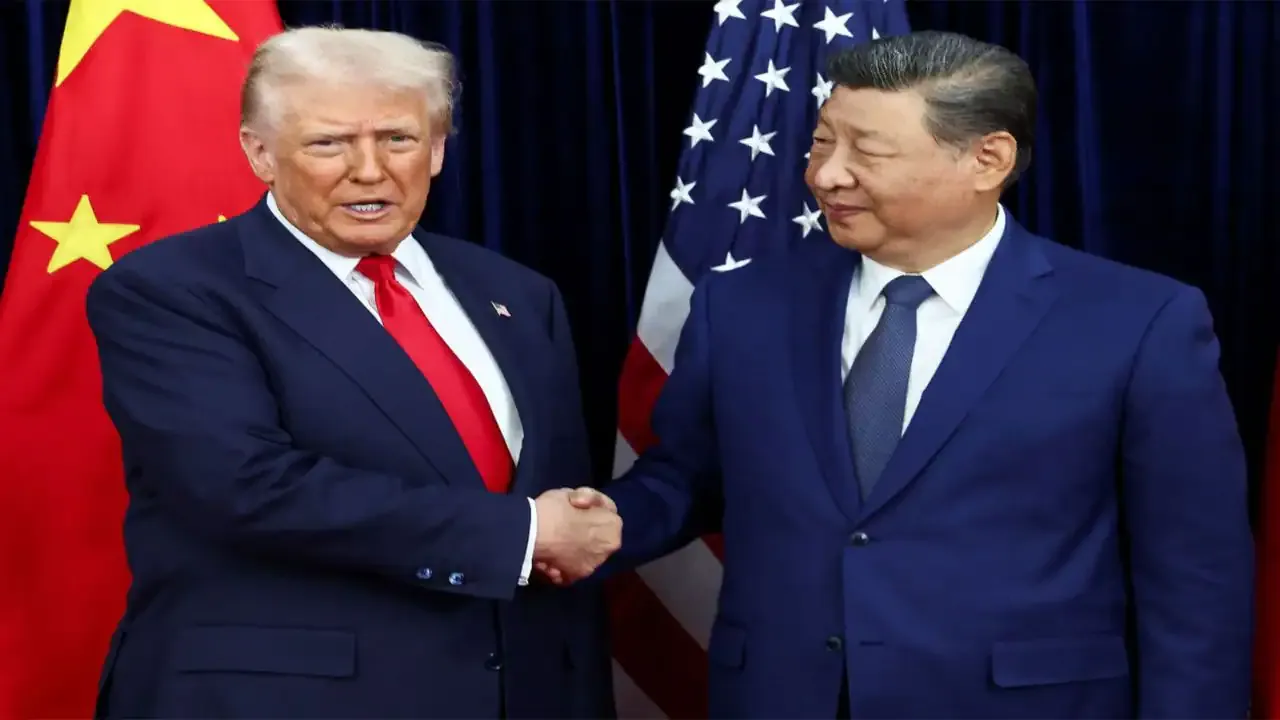
zeenewsTrump's China tilt is bad news for India and Pakistan - here's whyCenterNeutral
economictimesPain for Pakistan: History makes a U-turn in India's neighbourhoodCenterNeutral

Coverage timeline

economictimes broke this story on 30 May, 03:00 pm. Other outlets followed.

  1. 1
    economictimes30 May, 03:00 pm
    Pain for Pakistan: History makes a U-turn in India's neighbourhood
  2. 2
    zeenews31 May, 08:34 am
    Trump's China tilt is bad news for India and Pakistan - here's why

Lens Score breakdown

30/100
Public interest0/100
Coverage gap100%

Well-covered story — coverage matches public importance.

Who's involved

Institutions and figures named across source coverage.

Government
US Department of StateTaliban GovernmentPakistani GovernmentGovernment of IndiaGovernment of PakistanIndian GovernmentRussian Government
Political
United States PresidencyPakistan MilitaryPolitical Parties in PakistanPakistani MilitaryIndian MilitaryIndian Political LeadershipTaliban

Story context

Category
Politics
Location
Washington (state), United States
Sources analysed
2
Last analysed
31 May 2026
Key entities
South AsiaNew DelhiPakistanIndiaChinaIslamabadUnited StatesAbraham AccordsIsraeli–Palestinian conflictDonald TrumpWashington (state)Israel