Trump Shares AI-Generated Video Portraying Himself as Doctor Treating 'Trump Derangement Syndrome'
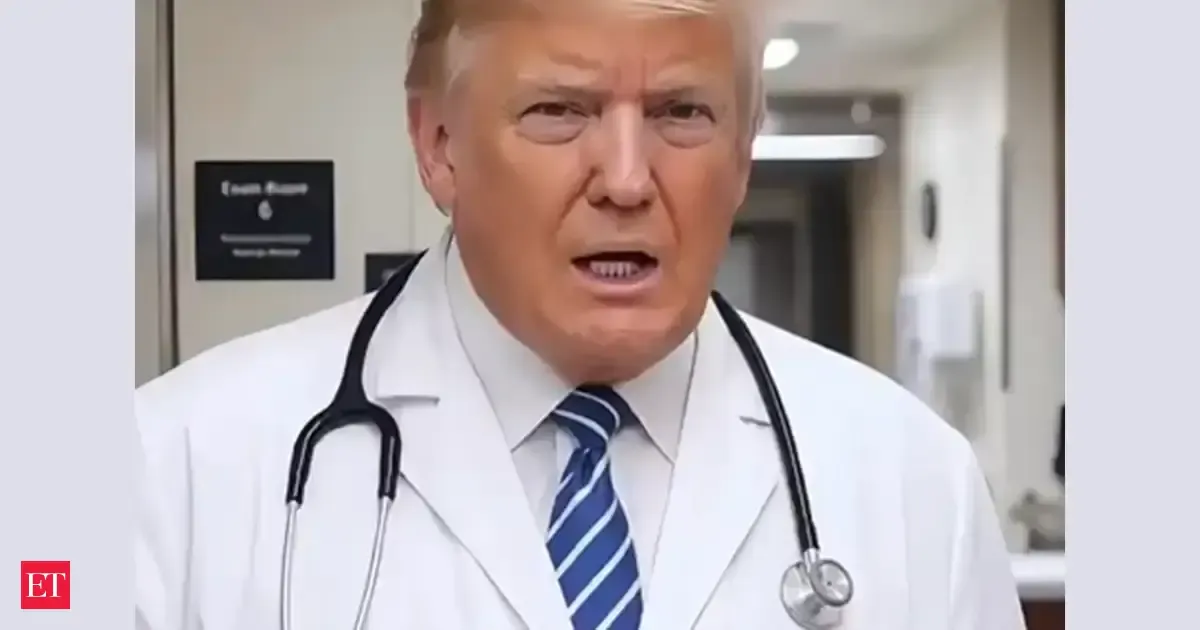
US President Donald Trump shared an AI-generated video on his platform Truth Social portraying himself as 'Dr. Trump,' offering a fictional treatment for 'Trump Derangement Syndrome' (TDS), a term used to describe opposition to him. The video features AI-created versions of celebrities who have criticized Trump, depicted as patients praising the treatment. The clip concludes with Trump advising viewers to avoid fake news, pray, and drink Diet Coke. The video has sparked varied reactions amid ongoing discussions about AI deepfake regulation.
First-hand measurement across 5 sources
We measured how 5 outlets covered this story. Coverage leans left-leaning overall (Left 58%, Centre 36%, Right 6%). Overall sentiment is neutral (38/100). Lens Score 30/100 — low public interest.
Outlets analysed (first-hand measurement by TBN's Bias Engine):
- indiatoday— left-leaning framing, negative sentiment
- news18— balanced framing, neutral sentiment
- firstpost— left-leaning framing, neutral sentiment
- ndtv— left-leaning framing, neutral sentiment
- economictimes— left-leaning framing, neutral sentiment
AI Analysis
The articles present perspectives primarily from Trump's supporters, highlighting his use of AI-generated content for political messaging, while also noting criticism from opponents and public figures featured in the video. Coverage includes viewpoints on the satirical nature of the video and concerns about AI deepfake use, reflecting a mix of supportive and critical framing without endorsing either side.
The overall tone across the articles is mixed, combining neutral descriptions of the video's content and distribution with acknowledgment of both amusement among supporters and criticism from opponents. The coverage balances the satirical intent of the video with concerns about the ethical implications of AI-generated likenesses, resulting in a nuanced sentiment.
How 5 sources covered this story
Each source's own headline, political lean, and sentiment — so you can see framing differences at a glance.