Skip to content
Get the Balanced News app for a better experience!
The Balanced News Logo
Analytics
The Balanced News Logo

Stay Balanced, Stay Informed

Menu
  • Browse News
  • Underreported Stories
  • Curated Feeds
  • Insights
  • Analytics
  • Our Writers
  • About Us
  • Download App
Learn
  • How It Works
  • Bias Detection
  • Lens Score
  • Source Bias Checker
  • Accountability
  • Custom Feeds
Newsroom
  • Writers & Analysts
  • About TBN
  • Editorial Standards
  • Corrections Policy
  • Our Partners
  • Insights
Socials
  • Youtube
  • Instagram
  • X
  • Facebook
News Categories
  • Trending
  • Politics
  • Sports
  • Business
  • Tech
  • Entertainment
  • Health
  • Science
  • Crime
  • Lifestyle
  • National
  • International
  • Good News
  • Crypto

Get Our App

Available for iOS and Android


LensFeedsInsightsAnalyticsTrendingGood NewsSportsPoliticsBusinessCrimeTechEntertainmentHealthNationalInternational

© 2026 The Balanced News. All rights reserved.

About UsEditorial StandardsCorrectionsHelp & SupportPrivacy PolicyTerms & Conditions
Supreme Court Seeks Centre's Response on Plea for Uniform Guidelines on Muslim Divorce
Categories

Categories

Related Coverage

Select a news story to see related coverage from other media outlets.

Related Coverage

Select a news story to see related coverage from other media outlets.

  1. Home
  2. /
  3. Politics

Supreme Court Seeks Centre's Response on Plea for Uniform Guidelines on Muslim Divorce

Analysed 16 Oct 2026·4 sources analysed·New Delhi, India·Politics
Supreme Court Seeks Centre's Response on Plea for Uniform Guidelines on Muslim DivorcePreviousNext

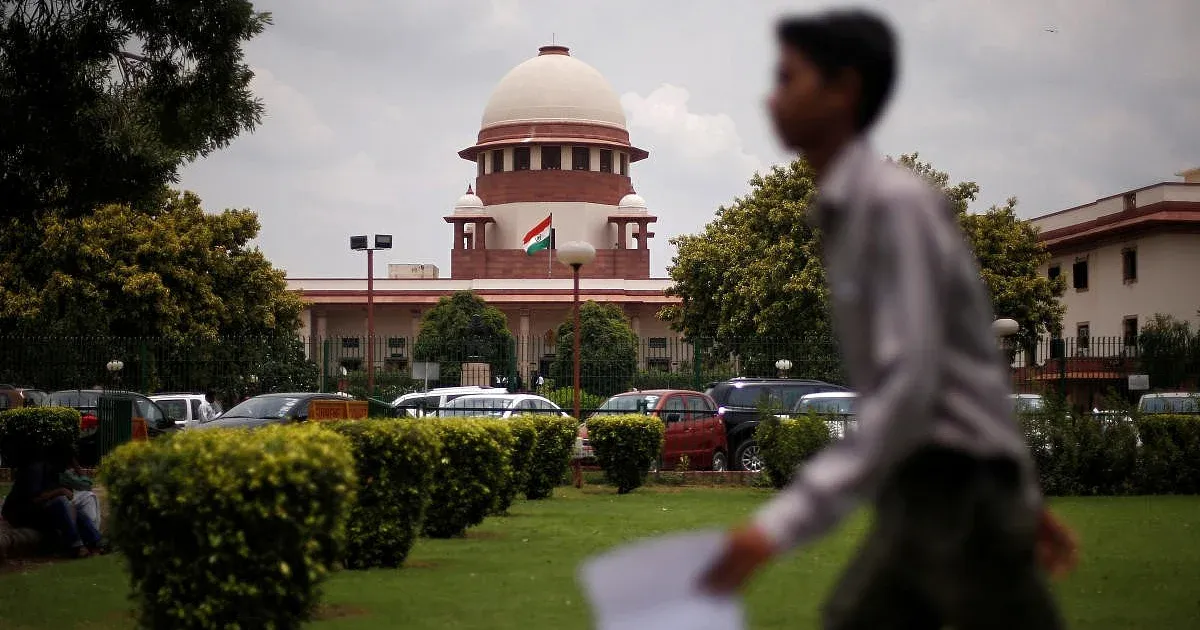
The Supreme Court has sought responses from the Centre and others on a petition challenging the validity of 'Talaq-e-Hasan', a Muslim divorce practice where a husband pronounces 'talaq' once a month over three months to dissolve marriage. The petition seeks a ban on all unilateral, extra-judicial forms of 'talaq' and calls for uniform procedural safeguards under Muslim personal law to protect women's rights and ensure fairness. The court has linked this plea with a pending case filed by a Muslim woman challenging her husband's use of 'Talaq-e-Hasan'.

Sentiment
50%
TBN's observations

First-hand measurement across 2 sources

We measured how 2 outlets covered this story. No outlet gave this story a measurable political slant — there is no left–right reading to report. Overall sentiment is neutral (50/100). Lens Score 54/100.

Outlets measured: indiatoday, hindustantimes. See how each one headlined and framed the same story in the source comparison below.

AI analysis of 2 sources · Published under editorial oversight by The Balanced News
Analysed 16 Oct 2026· How this analysis is produced· Editorial standards· Corrections

AI Analysis

Sentiment — Neutral (50/100)

Sentiment was consistent across outlets (50–50/100), indicating broadly factual reporting rather than editorialising.

Coverage timeline

hindustantimes broke this story on 16 Oct, 08:00 am. Other outlets followed.

16 Oct, 08:00 am2 sources · 2 min16 Oct, 08:02 am
  1. 1
AI analysis by the TBN Bias Engine · beat methodology byPrajakta Kale· Political Analyst· editorial standards byOjas Kale
← Previous
Salman Rushdie and Mira Nair Support Youth Protests Over Electoral Irregularities in India
Next →
Amit Shah and Arvind Kejriwal Exchange Accusations Over Punjab Drug Crisis
hindustantimes16 Oct, 08:00 am
SC seeks Centre's response on plea to frame guidelines governing all forms of 'talaq'
  • 2
    indiatoday16 Oct, 08:02 am
    Supreme Court seeks Centre's reply on safeguards for Muslim divorce
  • Who's involved

    Institutions and figures named across source coverage.

    Government
    Government of IndiaSupreme Court of India
    Judiciary
    Supreme Court of India

    Story context

    Category
    Politics
    Location
    New Delhi, India
    Sources analysed
    4
    Last analysed
    16 Oct 2026
    Key entities
    MuslimsDivorce in IslamSupreme Court of IndiaDivorceMuslim personal lawChief Justice of IndiaCohabitationConstitutionFundamental rightsInformed consentPolygamyConstitutionality