2 hours agoPolitics
32LENS
3 SourcesDimona, Israel
 thebalanced.news
WHO and UN Warn of Risks Amid Escalating Middle East Conflict Near Nuclear Sites
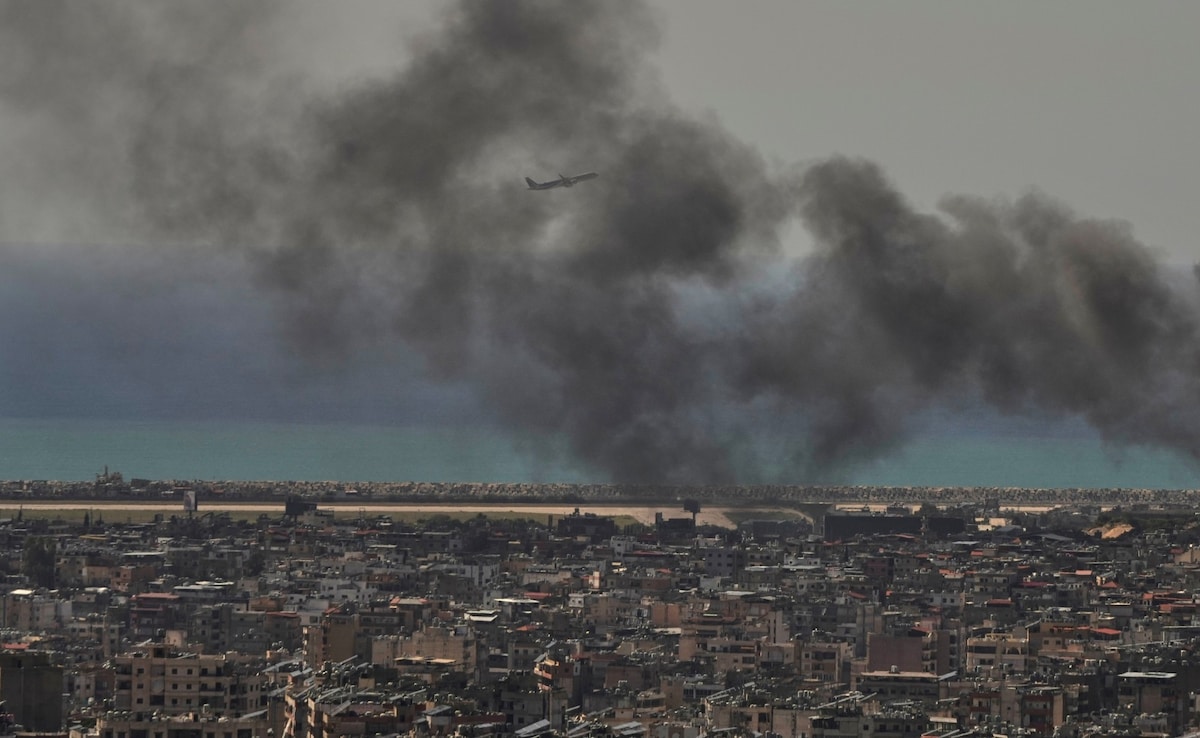
The Middle East conflict has escalated to a 'perilous stage' with reported strikes near nuclear sites in Iran's Natanz and Israel's Dimona, raising concerns about public health and environmental safety, according to WHO chief Tedros Adhanom Ghebreyesus. The International Atomic Energy Agency is investigating, with no abnormal radiation detected so far. The war, involving multiple countries, has caused thousands of casualties and is disrupting global humanitarian aid, with the UN warning of severe supply chain impacts and calling for an immediate end to hostilities.
Political Bias
43%54%3%
Sentiment
28%
21 stories available
View AI Analysis
Bias Analysis: The articles present perspectives from international organizations like WHO and the UN, emphasizing humanitarian and safety concerns without attributing blame. They highlight actions by multiple parties, including Iran, Israel, and allied groups, reflecting a balanced view of the conflict's complexity. The coverage focuses on calls for restraint and de-escalation, representing global diplomatic and humanitarian viewpoints rather than partisan narratives.
Sentiment: The overall tone is serious and cautionary, reflecting concern over escalating violence, nuclear risks, and humanitarian disruptions. While the coverage underscores the severity of the conflict and its consequences, it maintains a neutral and factual approach, avoiding emotive language or sensationalism. The sentiment is predominantly negative due to the crisis nature but balanced by calls for peace and restraint.
Lens Score: 32/100 — Story is well-covered by media outlets. Public interest: 0/100. Coverage gap: 90%.
Accountability Flags: public safety issue, rights violation.
Related Coverage
Select a news story to see related coverage from other media outlets.