US Lawmaker Proposes Bill to Reform H-1B Visa Program Affecting Indian Workers
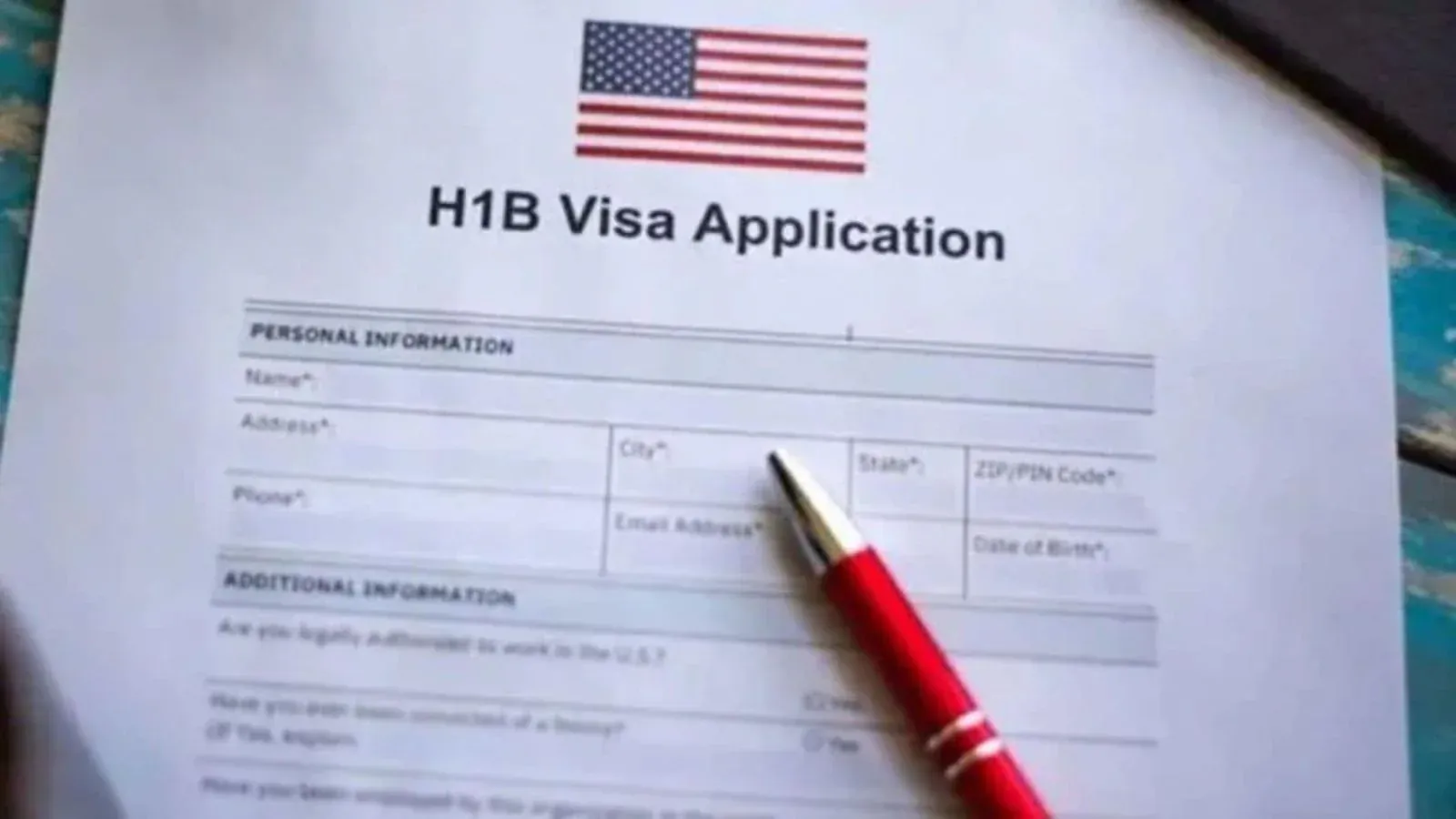
A Republican US lawmaker, Chip Roy, introduced the American White-Collar Worker Jobs Act of 2026 proposing major reforms to the H-1B visa program. Key changes include reducing visa duration from six to two years, replacing the lottery system with a wage-based selection, ending the Optional Practical Training (OPT) program, and removing the pathway to permanent residency by requiring applicants to prove intent to return home. The bill aims to prioritize American workers and increase wage standards, raising concerns about impacts on Indian tech workers and students who hold a majority of H-1B visas.
First-hand measurement across 13 sources
We measured how 13 outlets covered this story. Coverage leans balanced overall (Left 20%, Centre 75%, Right 5%). Overall sentiment is neutral (39/100). Lens Score 32/100 — low public interest.
Outlets analysed (first-hand measurement by TBN's Bias Engine):
- mint— left-leaning framing, neutral sentiment
- firstpost— balanced framing, neutral sentiment
- news18— balanced framing, neutral sentiment
- indianexpress— balanced framing, neutral sentiment
- wion— balanced framing, neutral sentiment
- thehindu— balanced framing, neutral sentiment
- hindustantimes— balanced framing, neutral sentiment
- ndtv— balanced framing, neutral sentiment
AI Analysis
The articles predominantly present perspectives from Republican lawmakers advocating for stricter H-1B visa regulations, emphasizing protection of American workers and merit-based selection. Indian tech workers and outsourcing firms are noted as potentially affected stakeholders. Coverage includes official statements and legislative proposals without partisan commentary, reflecting a focus on policy changes and their implications.
The overall tone across the articles is neutral to cautious, highlighting legislative efforts to tighten visa rules and their possible consequences for Indian workers and students. While the reforms are framed as addressing misuse and prioritizing domestic employment, concerns about uncertainty and challenges for visa holders are acknowledged, resulting in a balanced but serious sentiment.