Political Tensions Rise After Pakistan Defence Minister's Remarks on PoK Identity
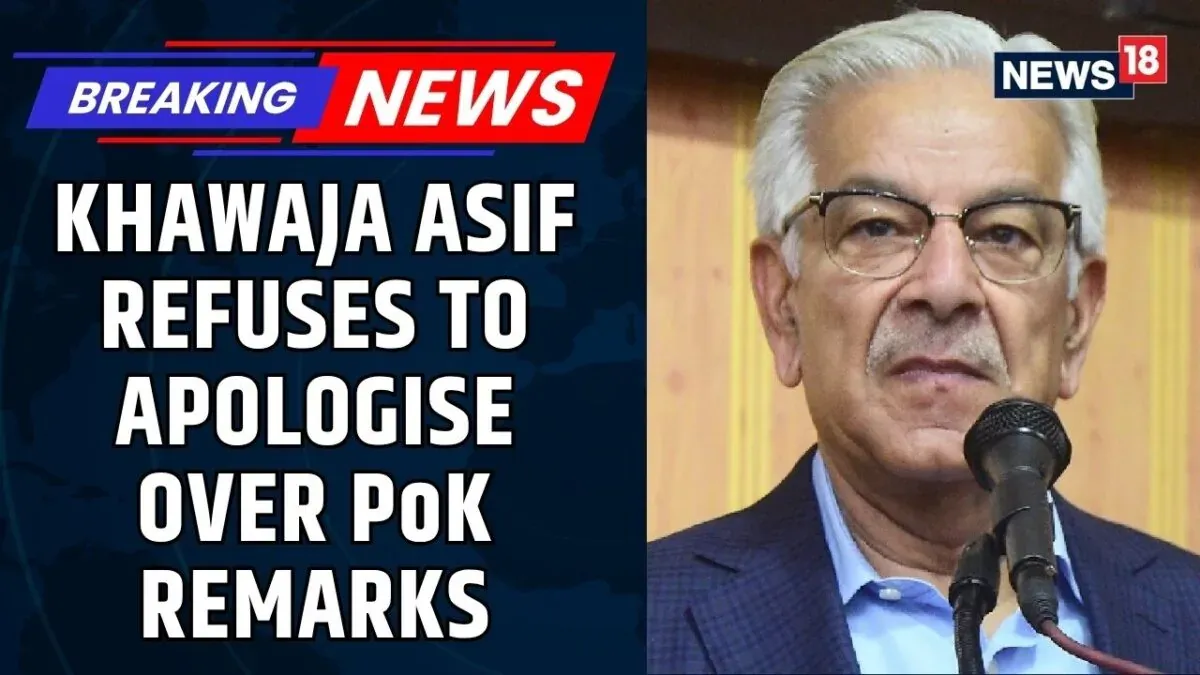
Pakistan Defence Minister Khawaja Asif sparked controversy with remarks questioning the Kashmiri identity of Rawalakot and Mirpur residents in Pakistan-occupied Kashmir (PoK), intensifying protests and political tensions. PoK Prime Minister Faisal Rathore strongly rejected Asif's comments, demanding an apology and accusing him of creating divisions and scapegoating PoK's administration. Asif defended his stance by emphasizing Kashmiri identity as linked to struggle and criticized PoK governance, while protests continue over rights and inflation in the region.
First-hand measurement across 4 sources
We measured how 4 outlets covered this story. Coverage leans balanced overall (Left 30%, Centre 63%, Right 7%). Overall sentiment is negative (32/100). Lens Score 34/100 — low public interest.
Outlets analysed (first-hand measurement by TBN's Bias Engine):
- news18— balanced framing, negative sentiment
- news18— balanced framing, neutral sentiment
- news18— balanced framing, negative sentiment
- news18— balanced framing, neutral sentiment
AI Analysis
The articles primarily present perspectives from Pakistani government officials and PoK leadership, highlighting a conflict between Defence Minister Khawaja Asif and PoK Prime Minister Faisal Rathore. The coverage reflects institutional tensions within Pakistan and PoK, with sources framing the dispute as both a political controversy and a governance issue. Opposition voices and protest contexts are mentioned, providing a broader view of the unrest without favoring any side.
The overall tone across the articles is critical and tense, reflecting escalating political friction and public protests. While Asif's remarks and their fallout are reported with factual neutrality, Rathore's strong rebuttals and the description of protests convey a negative sentiment toward the Defence Minister's comments and the governance situation in PoK. The sentiment is mixed, combining official statements with public dissent.