Ukrainian Drone Strike on Moscow Refinery Sparks Reports of Black Rain and Health Warnings
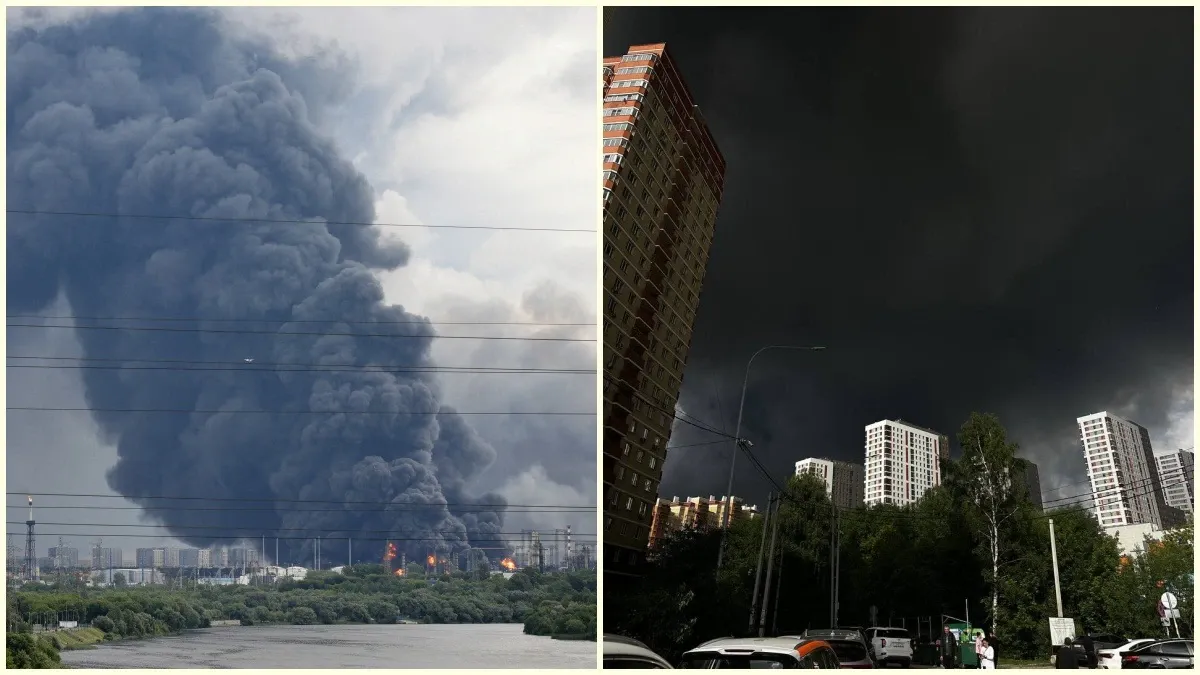
A large Ukrainian drone strike on Moscow's Kapotnya oil refinery triggered massive fires and thick black smoke, leading to reports of 'black rain'—a drizzle mixed with soot and oily particles—coating cars, roads, and clothing in several districts. While residents and social media videos showed dark, oily residue, Moscow authorities initially denied the phenomenon but later issued health warnings advising residents to keep windows closed and vulnerable groups to evacuate. The incident underscores environmental and health concerns amid the ongoing conflict.
First-hand measurement across 3 sources
We measured how 3 outlets covered this story. Coverage leans balanced overall (Left 32%, Centre 64%, Right 4%). Overall sentiment is negative (30/100). Lens Score 38/100 — moderate-to-low public interest.
Outlets analysed (first-hand measurement by TBN's Bias Engine):
- news18— left-leaning framing, negative sentiment
- indiatoday— balanced framing, neutral sentiment
- ndtv— left-leaning framing, negative sentiment
AI Analysis
The articles present multiple perspectives, including eyewitness accounts of black rain and official denials from Moscow authorities. Coverage includes statements from Russian officials describing the attack and health advisories, as well as residents' experiences and social media evidence. The framing balances Ukrainian military actions with Russian governmental responses without endorsing either side, reflecting a range of viewpoints on the event's impact.
The overall tone is serious and factual, focusing on the environmental and health consequences of the drone strike. While the reports highlight damage and toxic fallout, the language remains neutral, avoiding sensationalism. The coverage conveys concern for public safety and the ongoing conflict's collateral effects without expressing overtly positive or negative sentiment toward any party involved.