Supreme Court Questions Centre's Ban on Training for Medically Fit Pregnant IPS Officers
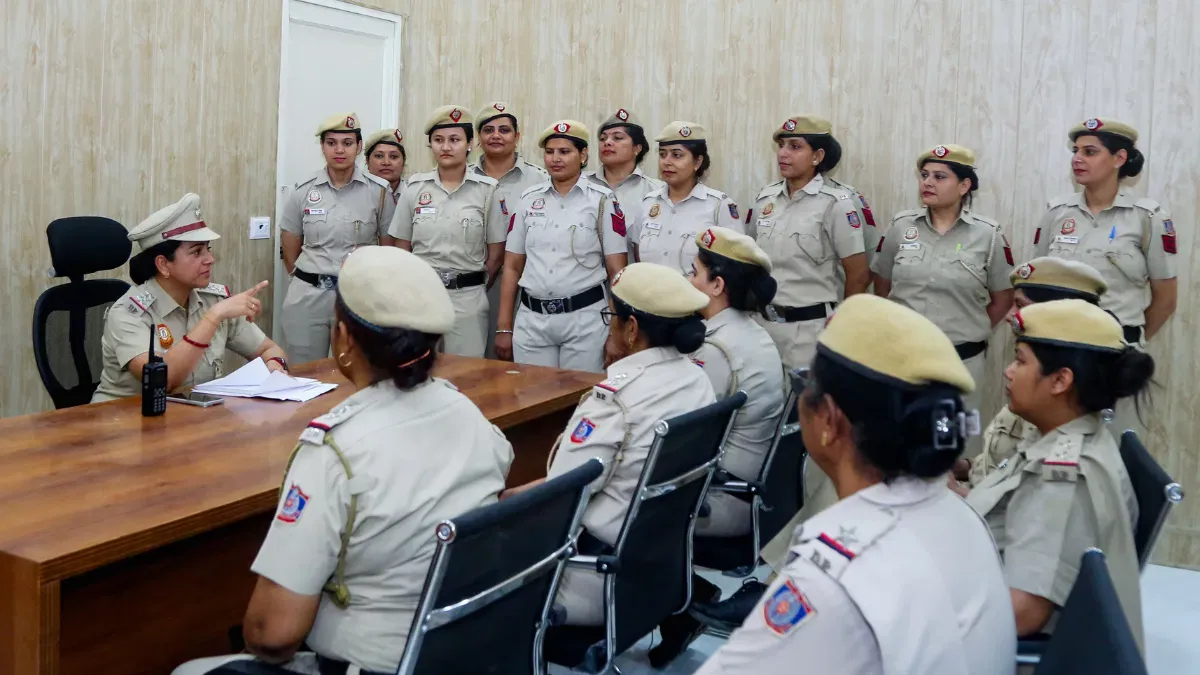
The Supreme Court questioned the Centre's 1993 policy that mandates a one-year training hiatus for pregnant IPS probationers, emphasizing that medically fit women should not be barred from training. The court highlighted that the policy aims to protect women’s health, not restrict opportunities, and suggested individual assessments rather than a blanket ban. The Centre opposed relaxing the rule, citing potential widespread claims, while the court considered the petition of IPS officer Urvashi Sengar, who sought early training resumption post-childbirth.
First-hand measurement across 5 sources
We measured how 5 outlets covered this story. Coverage leans balanced overall (Left 40%, Centre 57%, Right 3%). Overall sentiment is neutral (57/100). Lens Score 43/100 — moderate-to-low public interest.
Outlets analysed (first-hand measurement by TBN's Bias Engine):
- thehindu— left-leaning framing, neutral sentiment
- hindustantimes— balanced framing, positive sentiment
- theprint— balanced framing, neutral sentiment
- ndtv— balanced framing, neutral sentiment
- theprint— balanced framing, neutral sentiment
AI Analysis
The articles present perspectives from the judiciary and the government, focusing on legal and administrative viewpoints. The Supreme Court's stance challenges the Centre's policy, advocating for individual assessment and women's rights within service rules. The Centre's position emphasizes policy consistency and administrative concerns. Coverage remains centered on institutional positions without partisan framing or political party involvement.
The overall tone is neutral to cautiously progressive, reflecting judicial scrutiny of an existing policy. The court's observations convey support for women's agency and fairness, while the Centre's resistance introduces a note of institutional conservatism. Reporting balances these views without emotive language, maintaining an informative and measured sentiment throughout.