Supreme Court Reviews IPS Officer's Challenge to Postpartum Training Break Policy
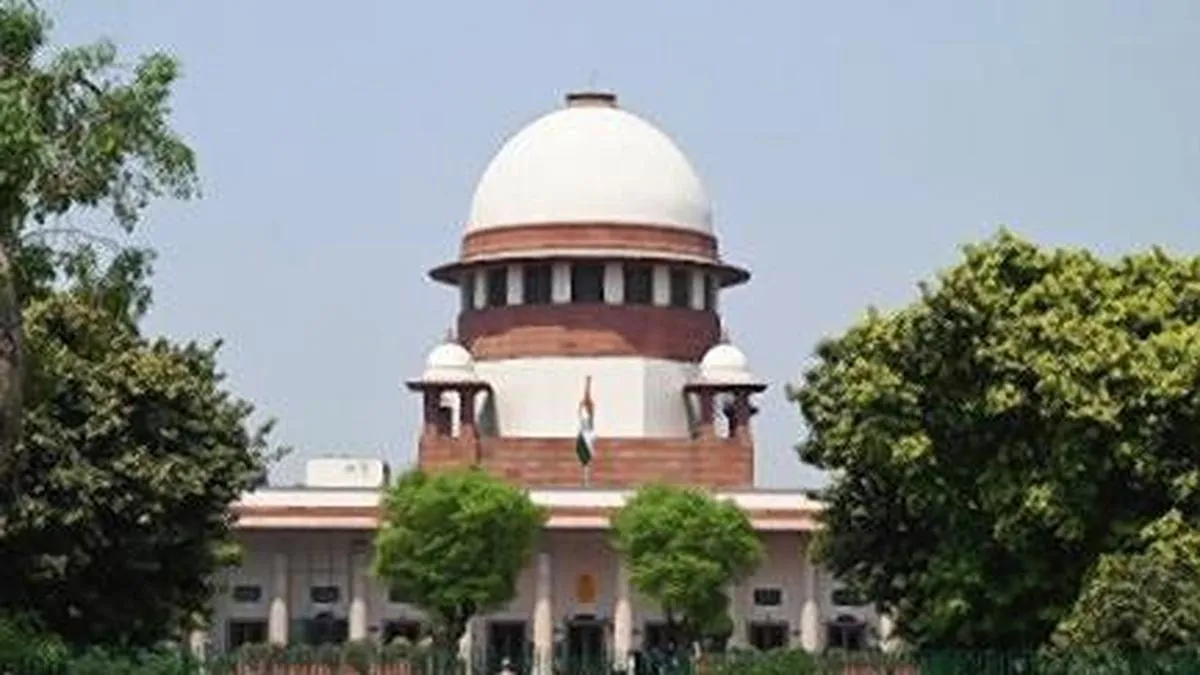
The Supreme Court of India is hearing IPS officer Urvashi Sengar's appeal challenging a 1993 Home Ministry policy mandating a year-long postpartum break from training. Despite being medically fit, Sengar was initially barred from resuming her probationary training after childbirth. The court acknowledged concerns over the policy's intent but declined immediate relief, citing partial completion of ongoing training. It directed the Central Administrative Tribunal to reconsider her case independently, highlighting potential implications for maternity rules in IPS training.
First-hand measurement across 6 sources
We measured how 6 outlets covered this story. Coverage leans balanced overall (Left 40%, Centre 58%, Right 2%). Overall sentiment is neutral (48/100). Lens Score 43/100 — moderate-to-low public interest.
Outlets analysed (first-hand measurement by TBN's Bias Engine):
- news18— balanced framing, neutral sentiment
- thehindu— left-leaning framing, neutral sentiment
- hindustantimes— balanced framing, positive sentiment
- theprint— balanced framing, neutral sentiment
- ndtv— balanced framing, neutral sentiment
- theprint— balanced framing, neutral sentiment
AI Analysis
The articles present a range of perspectives focusing on legal and administrative aspects without partisan framing. They include the officer's challenge to government policy, the government's rationale for training requirements, and the judiciary's role in balancing individual rights with institutional rules. Coverage emphasizes procedural developments and policy scrutiny, reflecting a neutral stance across sources.
The overall tone is measured and factual, highlighting procedural updates and legal arguments without emotive language. While sympathetic to the officer's position, the coverage also conveys the government's concerns and the court's cautious approach. This results in a balanced sentiment that acknowledges both the challenges faced by the officer and the institutional constraints involved.