Qatari LNG Tanker Attacked Near Strait of Hormuz; US Responds with Strikes on Iran
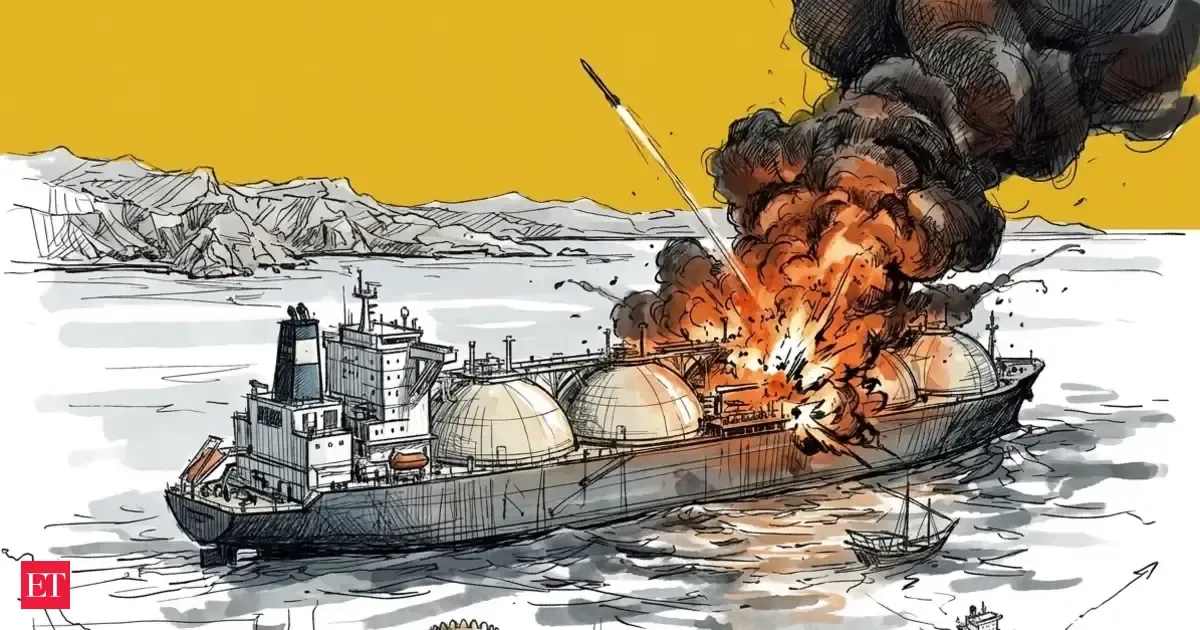
A Qatari liquefied natural gas tanker, Al Rekayyat, was struck near the Strait of Hormuz, causing a fire and prompting crew evacuation. A Saudi-flagged crude oil tanker was also damaged nearby. Qatar blamed Iran for the attacks, which Tehran has not confirmed. The US revoked an Iranian oil license and launched military strikes on Iranian targets in response, citing violations of a ceasefire and threats to commercial shipping. The incidents raise concerns over ongoing regional tensions and shipping security in this vital energy corridor.
First-hand measurement across 15 sources
We measured how 15 outlets covered this story. Coverage leans balanced overall (Left 11%, Centre 82%, Right 7%). Overall sentiment is negative (32/100). Lens Score 42/100 — moderate-to-low public interest.
Outlets analysed (first-hand measurement by TBN's Bias Engine):
- ndtv— balanced framing, negative sentiment
- ndtv— balanced framing, negative sentiment
- hindustantimes— balanced framing, negative sentiment
- thehindu— balanced framing, negative sentiment
- republicworld— balanced framing, negative sentiment
- indiatoday— balanced framing, negative sentiment
- ndtv— balanced framing, negative sentiment
- indiatoday— balanced framing, negative sentiment
AI Analysis
The article group presents multiple perspectives, including Qatar's attribution of the attack to Iran and Tehran's lack of direct acknowledgment. US sources emphasize Iran's aggression and justify retaliatory strikes, while Iranian officials highlight preparedness and skepticism toward US intentions. Coverage includes official statements from involved governments and security agencies, reflecting a range of diplomatic and military viewpoints without endorsing any side.
The overall tone is serious and cautionary, focusing on the risks to maritime security and regional stability. While reports detail damage and military responses, the language remains factual and restrained, avoiding sensationalism. The sentiment reflects concern over escalating tensions and the potential impact on global energy markets, with no overtly positive or negative bias toward any party.