Malala Criticizes EU-Taliban Talks, Emphasizes Afghan Women’s Rights
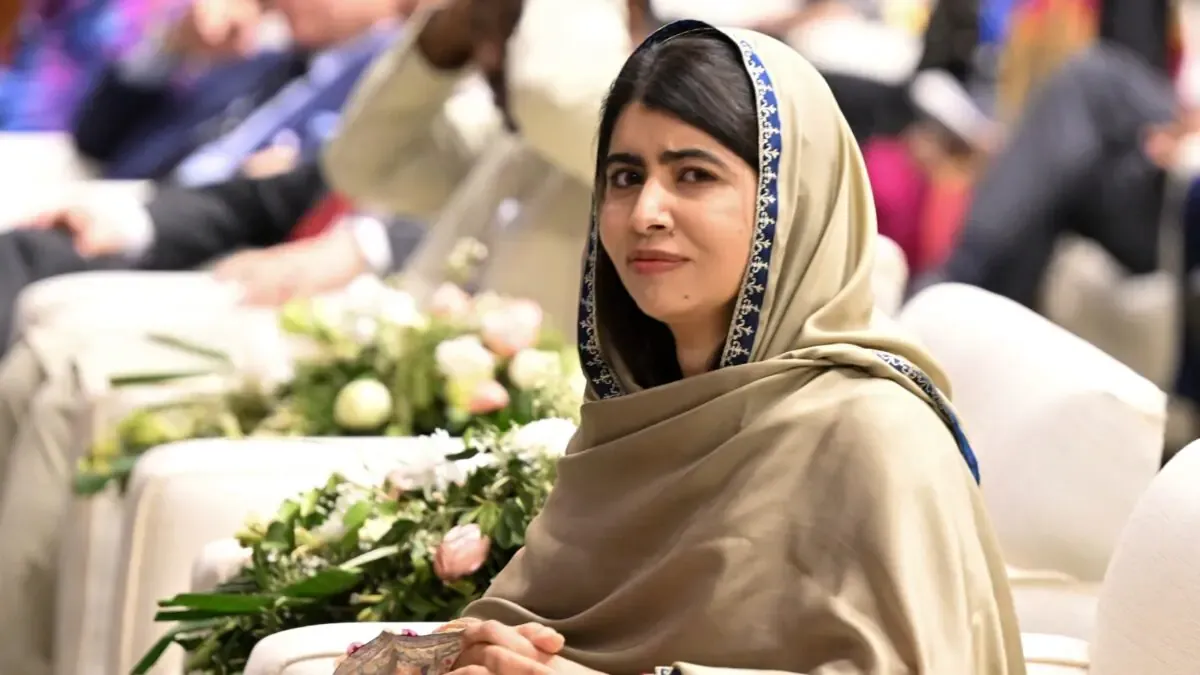
Nobel laureate Malala Yousafzai criticized the European Union for holding talks with the Taliban in Brussels, expressing concern that such engagement normalizes a regime responsible for severe human rights abuses against Afghan women and girls. She highlighted the Taliban's bans on girls' education, forced marriages, arrests over dress codes, and violence against women. The EU defended the talks as necessary to manage deportations of failed asylum seekers, but Malala insisted that any dialogue must prioritize the rights of Afghan women and girls.
First-hand measurement across 2 sources
We measured how 2 outlets covered this story. Coverage leans left-leaning overall (Left 70%, Centre 28%, Right 2%). Overall sentiment is negative (30/100). Lens Score 35/100 — moderate-to-low public interest.
Outlets analysed (first-hand measurement by TBN's Bias Engine):
- news18— left-leaning framing, negative sentiment
- hindustantimes— left-leaning framing, negative sentiment
AI Analysis
The articles present perspectives from both Malala Yousafzai, who condemns the EU's engagement with the Taliban as legitimizing oppression, and the EU, which frames the talks as a pragmatic step to address migration and security concerns. The coverage reflects a balance between human rights advocacy and diplomatic considerations without favoring either viewpoint.
The overall tone is critical regarding the Taliban's treatment of women, reflecting concern and condemnation from Malala. The EU's position introduces a pragmatic, neutral tone focused on policy necessity. This results in a mixed sentiment combining alarm over human rights issues with a measured explanation of diplomatic actions.
How 2 sources covered this story
Each source's own headline, political lean, and sentiment — so you can see framing differences at a glance.