India Challenges US Proposed 12.5% Tariff Over Forced Labour Concerns, Seeks Trade Talks
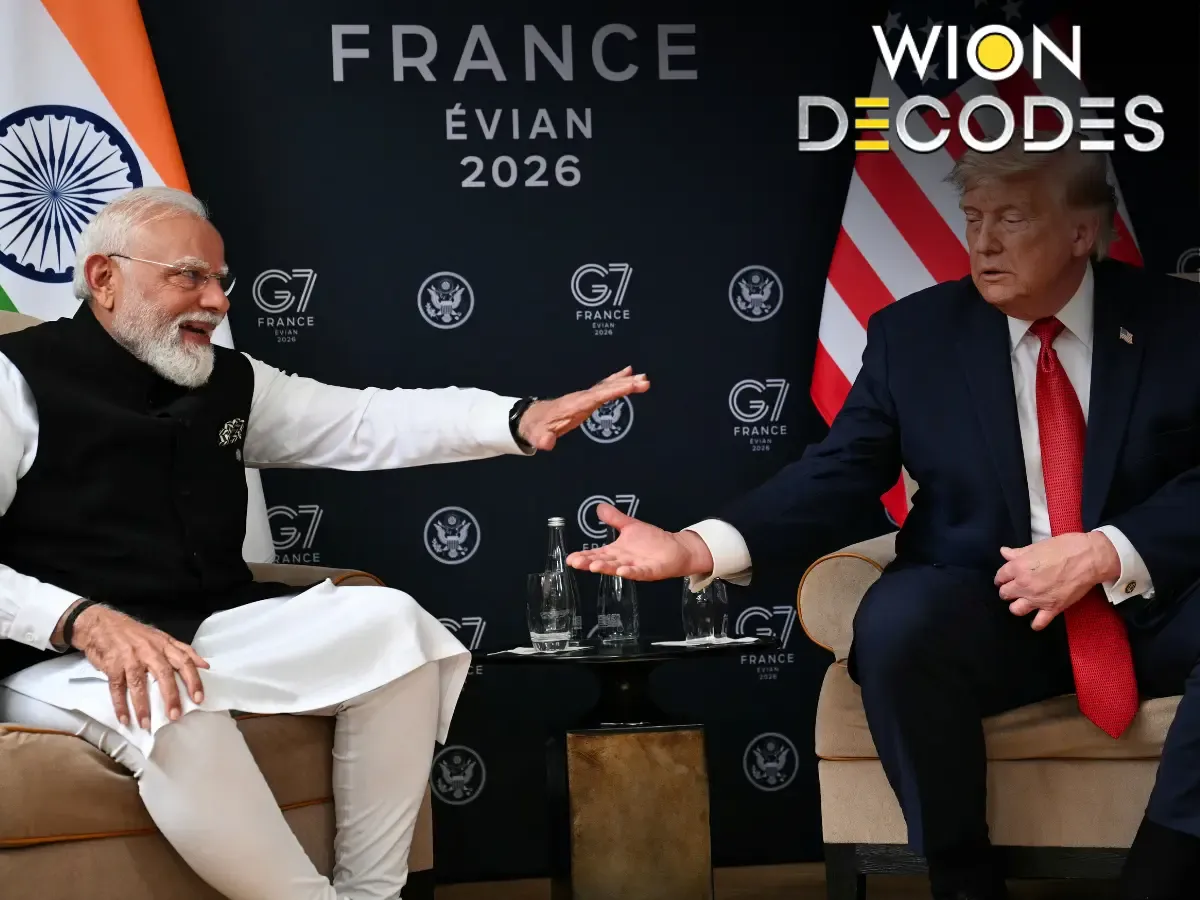
The US has proposed a 12.5% tariff on certain Indian imports under Section 301, citing concerns over forced labour in supply chains. India has challenged the legal basis of this proposal, highlighting inconsistencies such as exemptions for products not domestically produced in the US and reduced tariffs on US-origin textile inputs. Indian officials and industry representatives urge resolving these issues through bilateral trade negotiations rather than unilateral tariffs, emphasizing willingness for dialogue and disputing claims of inadequate enforcement against forced labour.
First-hand measurement across 15 sources
We measured how 15 outlets covered this story. Coverage leans balanced overall (Left 11%, Centre 81%, Right 8%). Overall sentiment is neutral (48/100). Lens Score 42/100 — moderate-to-low public interest.
Outlets analysed (first-hand measurement by TBN's Bias Engine):
- thehindu— balanced framing, neutral sentiment
- businessstandard— balanced framing, neutral sentiment
- thetribune— balanced framing, neutral sentiment
- thetelegraph— balanced framing, neutral sentiment
- economictimes— balanced framing, neutral sentiment
- thetribune— balanced framing, neutral sentiment
- swarajyamag— balanced framing, neutral sentiment
- wion— balanced framing, neutral sentiment
AI Analysis
The article group presents perspectives primarily from Indian government officials and industry representatives who contest the US tariff proposal, framing it as legally and factually flawed. The US position is reported mainly through references to the USTR's investigation and tariff proposal, without direct US statements. Coverage focuses on trade negotiation dynamics, reflecting diplomatic and economic viewpoints without partisan framing.
The overall tone across the articles is measured and critical, reflecting India's opposition to the US tariff proposal. While the US action is presented as a formal trade measure, Indian responses emphasize legal challenges and inconsistencies, conveying concern over potential economic impacts. The sentiment is largely cautious and focused on dialogue, with no overtly negative or positive language dominating the coverage.