Uttar Pradesh Orders Anti-Conversion Cells in Medical and Higher Education Institutions
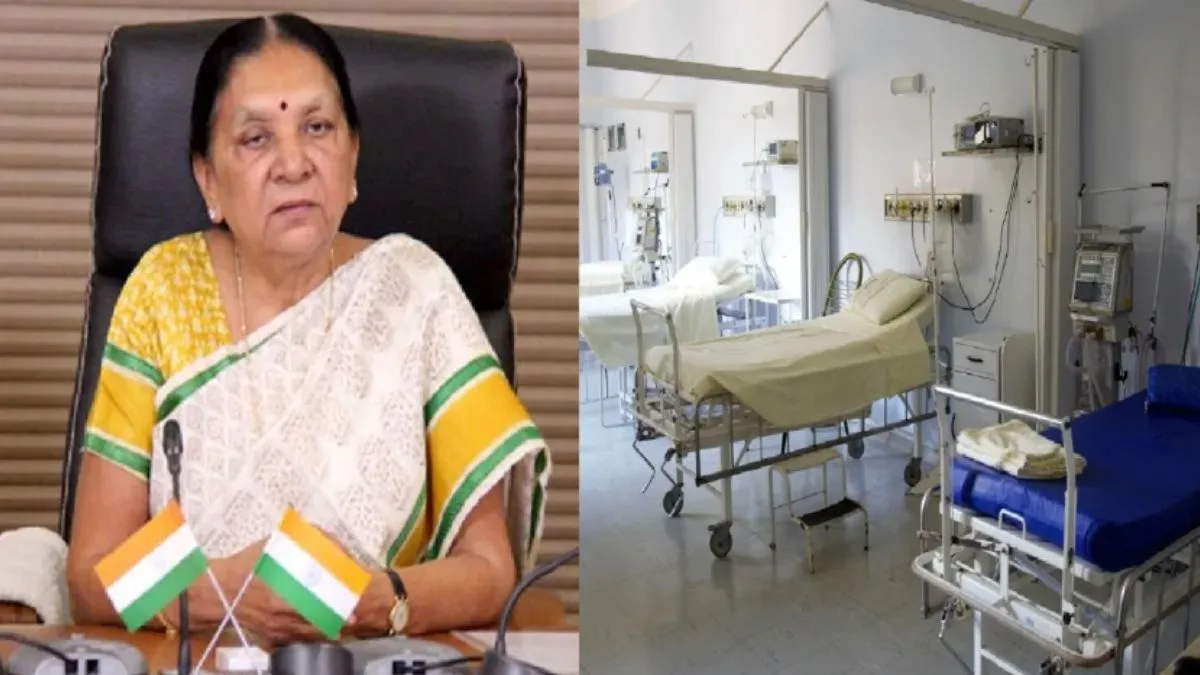
Uttar Pradesh Governor Anandiben Patel has directed all medical, dental, and higher education institutions in the state to establish dedicated anti-conversion or anti-radicalisation cells. These units aim to monitor, prevent, and address alleged cases of forced or unethical religious conversions on campuses, following reported incidents at King George's Medical University and Sanjay Gandhi Postgraduate Institute. Institutions are tasked with conducting awareness programs, strengthening counselling and reporting mechanisms, and ensuring a safe, secular academic environment. The directive has sparked political debate, with the ruling party supporting the move as protective, while the opposition questions its priorities.
First-hand measurement across 6 sources
We measured how 6 outlets covered this story. Coverage leans balanced overall (Left 28%, Centre 49%, Right 23%). Overall sentiment is neutral (41/100). Lens Score 49/100 — moderate-to-low public interest.
Outlets analysed (first-hand measurement by TBN's Bias Engine):
- news18— balanced framing, neutral sentiment
- indiatoday— balanced framing, neutral sentiment
- timesnow— balanced framing, neutral sentiment
- indianexpress— right-leaning framing, neutral sentiment
- indiatvnews— balanced framing, neutral sentiment
- hindustantimes— balanced framing, neutral sentiment
AI Analysis
The article group presents perspectives from both the ruling Bharatiya Janata Party, which supports the establishment of anti-conversion cells as necessary for student protection, and the opposition Samajwadi Party, which criticizes the focus as neglecting other educational issues. Official government communications emphasize legal compliance and campus safety, while opposition voices highlight concerns over priorities, reflecting a balanced representation of political viewpoints.
The overall tone across the articles is mixed but largely neutral, focusing on factual reporting of the governor's directive and institutional responses. While some sources note political controversy and opposition criticism, the coverage emphasizes procedural details, institutional responsibilities, and the intent to maintain safe academic environments without adopting a strongly positive or negative stance.