Israel Destroys Hezbollah Tunnel in Southern Lebanon Amid US-Brokered Peace Framework
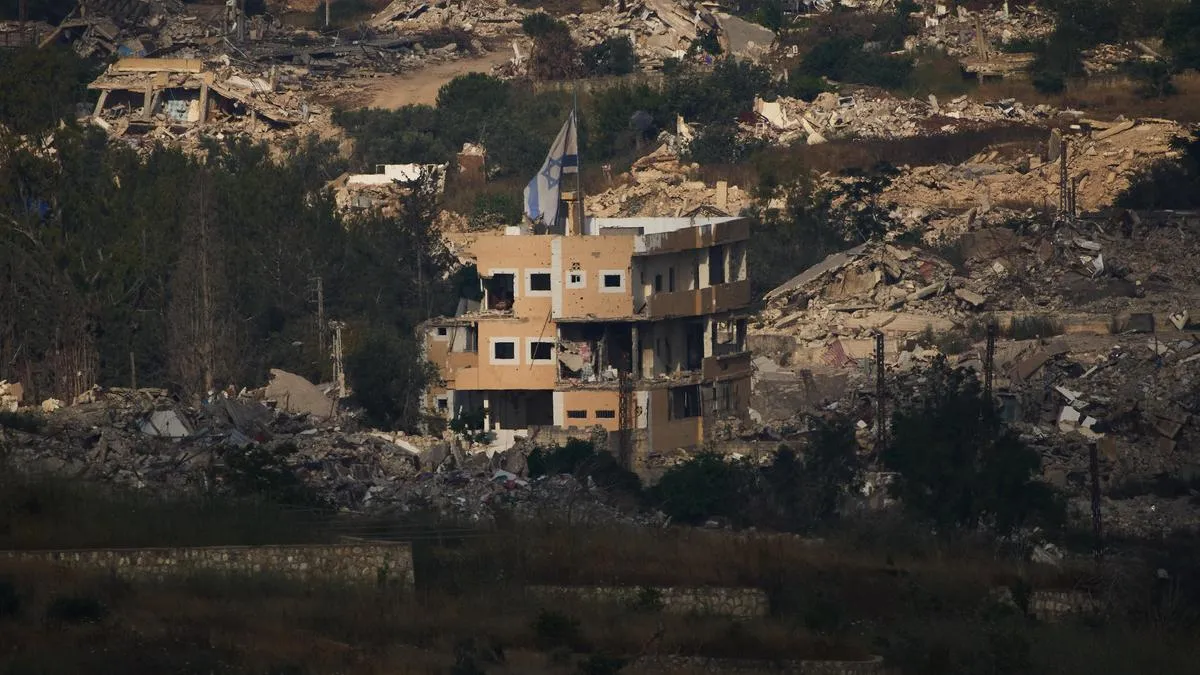
Israel destroyed a 200-meter-long Hezbollah tunnel in southern Lebanon's Majdal Zoun village, containing weapons and launch shafts, despite a recent US-brokered peace framework between Lebanon and Israel. The Israeli military informed the US prior to the strike and also targeted militants and rocket launchers in the Nabatieh area. Hezbollah condemned the attacks as ceasefire violations, rejected the security agreement, and reserved the right to respond, highlighting ongoing tensions despite efforts to ease hostilities.
First-hand measurement across 12 sources
We measured how 12 outlets covered this story. Coverage leans balanced overall (Left 13%, Centre 79%, Right 8%). Overall sentiment is negative (30/100). Lens Score 31/100 — low public interest.
Outlets analysed (first-hand measurement by TBN's Bias Engine):
- theprint— balanced framing, negative sentiment
- news18— balanced framing, negative sentiment
- firstpost— balanced framing, negative sentiment
- economictimes— balanced framing, negative sentiment
- wion— balanced framing, negative sentiment
- thehindu— balanced framing, negative sentiment
- thehindu— balanced framing, neutral sentiment
- news18— balanced framing, negative sentiment
AI Analysis
The article group presents perspectives from Israeli officials emphasizing security concerns and adherence to informing the US, alongside Hezbollah's rejection of the peace agreement and claims of ceasefire violations. Coverage includes Lebanese state media reports and references to Iran-backed Hezbollah, reflecting multiple stakeholders without favoring any side. The framing balances Israeli military actions with Hezbollah's responses and the broader diplomatic context.
The overall tone is mixed, combining factual reporting of military strikes and diplomatic efforts with expressions of condemnation and warnings from Hezbollah. While Israeli statements focus on security and threat removal, Hezbollah's responses convey defiance and intent to resist. The coverage reflects ongoing tensions and uncertainty, avoiding overtly positive or negative sentiment toward either party.