India, Assam, and Nagaland Sign MoU for Oil and Gas Exploration Along Border
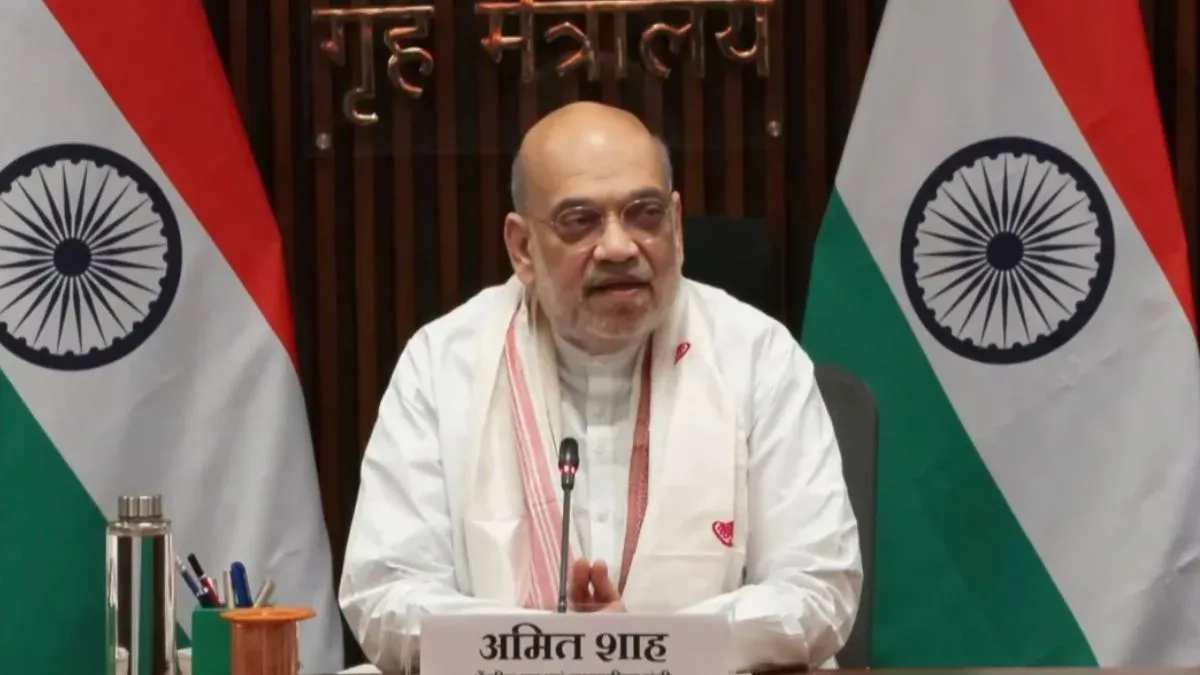
The Government of India, Assam, and Nagaland signed a tripartite Memorandum of Understanding (MoU) to jointly explore and produce crude oil and natural gas along their disputed border, ending decades of stalled activity. The agreement includes a 50-50 revenue-sharing model and covers over 1,000 square kilometers. Union Home Minister Amit Shah described the pact as a historic step toward realizing Prime Minister Modi's vision for a prosperous Northeast, potentially boosting oil production tenfold and enabling mineral exploration. The MoU also signals improved inter-state cooperation and regional development.
First-hand measurement across 9 sources
We measured how 9 outlets covered this story. Coverage leans balanced overall (Left 10%, Centre 52%, Right 38%). Overall sentiment is positive (75/100). Lens Score 36/100 — moderate-to-low public interest.
Outlets analysed (first-hand measurement by TBN's Bias Engine):
- easternmirror— balanced framing, positive sentiment
- swarajyamag— balanced framing, positive sentiment
- thetribune— right-leaning framing, positive sentiment
- ndtv— right-leaning framing, positive sentiment
- theassamtribune— balanced framing, positive sentiment
- thestatesman— right-leaning framing, positive sentiment
- republicworld— right-leaning framing, positive sentiment
- northeastnow— balanced framing, positive sentiment
AI Analysis
The article group presents perspectives primarily from government officials, emphasizing cooperative federalism and regional development. The coverage highlights the central and state governments' roles in resolving long-standing disputes, with statements from Union Home Minister Amit Shah and state chief ministers. There is a focus on national unity and economic progress, with limited dissenting views or opposition perspectives included, reflecting a consensus-driven narrative.
The overall tone across the articles is positive, emphasizing the historic nature of the agreement and its potential economic benefits. The language conveys optimism about energy security, regional cooperation, and development prospects. While acknowledging past disputes, the coverage focuses on progress and future opportunities, with no significant negative sentiment or criticism evident in the sources.