Skip to content
Get the Balanced News app for a better experience!
The Balanced News Logo
Analytics
The Balanced News Logo

Stay Balanced, Stay Informed

Menu
  • Browse News
  • Underreported Stories
  • Curated Feeds
  • Insights
  • Analytics
  • Our Writers
  • About Us
  • Download App
Learn
  • How It Works
  • Bias Detection
  • Lens Score
  • Source Bias Checker
  • Accountability
  • Custom Feeds
Newsroom
  • Writers & Analysts
  • About TBN
  • Editorial Standards
  • Corrections Policy
  • Our Partners
  • Insights
Socials
  • Youtube
  • Instagram
  • X
  • Facebook
News Categories
  • Trending
  • Politics
  • Sports
  • Business
  • Tech
  • Entertainment
  • Health
  • Science
  • Crime
  • Lifestyle
  • National
  • International
  • Good News
  • Crypto

Get Our App

Available for iOS and Android


LensFeedsInsightsAnalyticsTrendingGood NewsSportsPoliticsBusinessCrimeTechEntertainmentHealthNationalInternational

© 2026 The Balanced News. All rights reserved.

About UsEditorial StandardsCorrectionsHelp & SupportPrivacy PolicyTerms & Conditions
Impact of Geopolitical Stigma on Russians After Ukraine Invasion
Categories

Categories

Related Coverage

Select a news story to see related coverage from other media outlets.

Related Coverage

Select a news story to see related coverage from other media outlets.

  1. Home
  2. /
  3. Politics

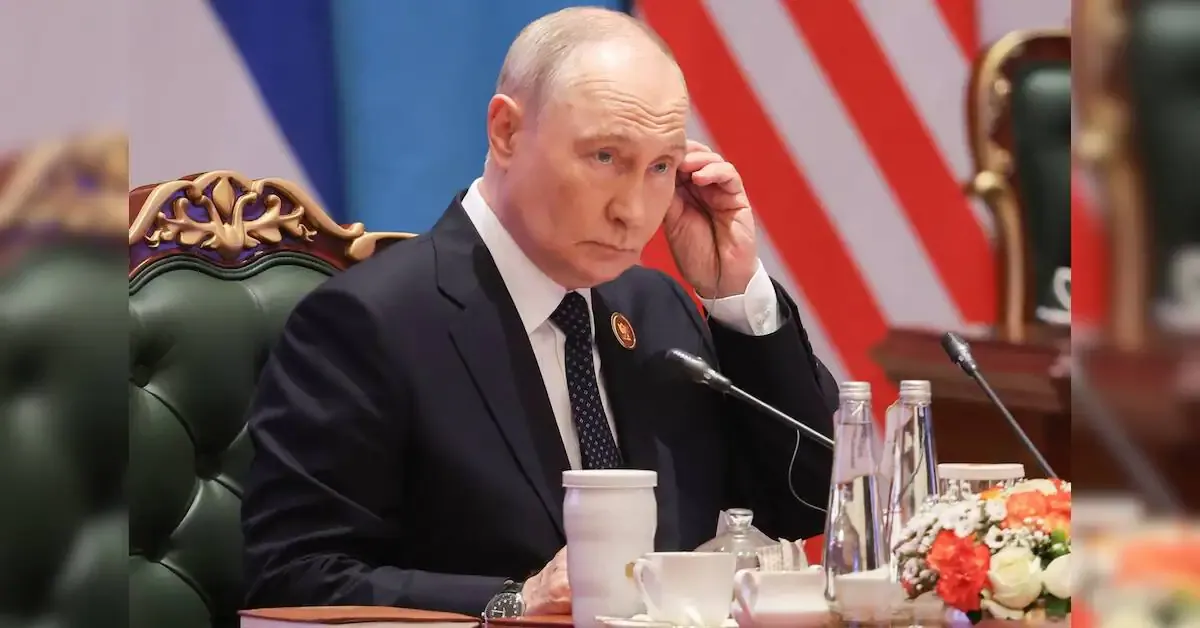
Impact of Geopolitical Stigma on Russians After Ukraine Invasion

Analysed 18 Oct 2026·2 sources analysed·Russia·Politics
Impact of Geopolitical Stigma on Russians After Ukraine InvasionPreviousNext

Following Russia's full-scale invasion of Ukraine, its international reputation deteriorated rapidly due to sanctions and the withdrawal of Western companies. Inside Russia, citizens faced shortages, travel restrictions, and exclusion from global cultural and academic events. Russians abroad experienced subtle stigmatization, including discrimination in job applications and negative media portrayals. Research involving interviews with Russian men from 2013-14 and 2022-23 reveals a shift from positive national identity to perceptions of Russia as isolated and stigmatized internationally.

Sentiment
38%
TBN's observations

First-hand measurement across 2 sources

We measured how 2 outlets covered this story. No outlet gave this story a measurable political slant — there is no left–right reading to report. Overall sentiment is negative (38/100). Lens Score 34/100.

Outlets measured: businessstandard, hindustantimes. See how each one headlined and framed the same story in the source comparison below.

AI analysis of 2 sources · Published under editorial oversight by The Balanced News
Analysed 18 Oct 2026· How this analysis is produced· Editorial standards· Corrections

AI Analysis

Sentiment — Negative (38/100)

Sentiment was consistent across outlets (28–48/100), indicating broadly factual reporting rather than editorialising.

Coverage timeline

hindustantimes broke this story on 18 Oct, 06:19 am. Other outlets followed.

18 Oct, 06:19 am2 sources · 54 min18 Oct, 07:12 am
AI analysis by the TBN Bias Engine · beat methodology byPrajakta Kale· Political Analyst· editorial standards byOjas Kale
← Previous
Manipur Deputy CM Advocates Peace in Kangpokpi Amid Ethnic Tensions; Kuki-Zo Groups Seek Her Return to Imphal
Next →
Historic Limoges Town Hall Largely Destroyed by Fire Amid Protests
1
hindustantimes18 Oct, 06:19 am
How 'geopolitical stigma' associated with Putin's Russia is affecting ordinary Russians
  • 2
    businessstandard18 Oct, 07:12 am
    How geopolitical stigma associated with Putin is affecting Russians
  • Who's involved

    Institutions and figures named across source coverage.

    Government
    Russian FederationRussian Federation Government

    Story context

    Category
    Politics
    Location
    Russia
    Sources analysed
    2
    Last analysed
    18 Oct 2026
    Key entities
    Social stigmaEuropeRussiaRussian invasion of UkraineMasculinityGeopoliticsVladimir PutinTravel visaNational identityGreat powerUnited KingdomHarry Potter