Skip to content
Get the Balanced News app for a better experience!
The Balanced News Logo
Analytics
The Balanced News Logo

Stay Balanced, Stay Informed

Menu
  • Browse News
  • Underreported Stories
  • Curated Feeds
  • Insights
  • Analytics
  • Our Writers
  • About Us
  • Download App
Learn
  • How It Works
  • Bias Detection
  • Lens Score
  • Source Bias Checker
  • Accountability
  • Custom Feeds
Newsroom
  • Writers & Analysts
  • About TBN
  • Editorial Standards
  • Corrections Policy
  • Our Partners
  • Insights
Socials
  • Youtube
  • Instagram
  • X
  • Facebook
News Categories
  • Trending
  • Politics
  • Sports
  • Business
  • Tech
  • Entertainment
  • Health
  • Science
  • Crime
  • Lifestyle
  • National
  • International
  • Good News
  • Crypto

Get Our App

Available for iOS and Android


LensFeedsInsightsAnalyticsTrendingGood NewsSportsPoliticsBusinessCrimeTechEntertainmentHealthNationalInternational

© 2026 The Balanced News. All rights reserved.

About UsEditorial StandardsCorrectionsHelp & SupportPrivacy PolicyTerms & Conditions
Seven Years After Article 370 Abrogation, India-Pakistan Kashmir Tensions and Governance Challenges Persist
Categories

Categories

Related Coverage

Select a news story to see related coverage from other media outlets.

Related Coverage

Select a news story to see related coverage from other media outlets.

  1. Home
  2. /
  3. Politics

Seven Years After Article 370 Abrogation, India-Pakistan Kashmir Tensions and Governance Challenges Persist

Analysed 4 Aug 2026·2 sources analysed·New Delhi, India·Politics
Seven Years After Article 370 Abrogation, India-Pakistan Kashmir Tensions and Governance Challenges PersistPreviousNext

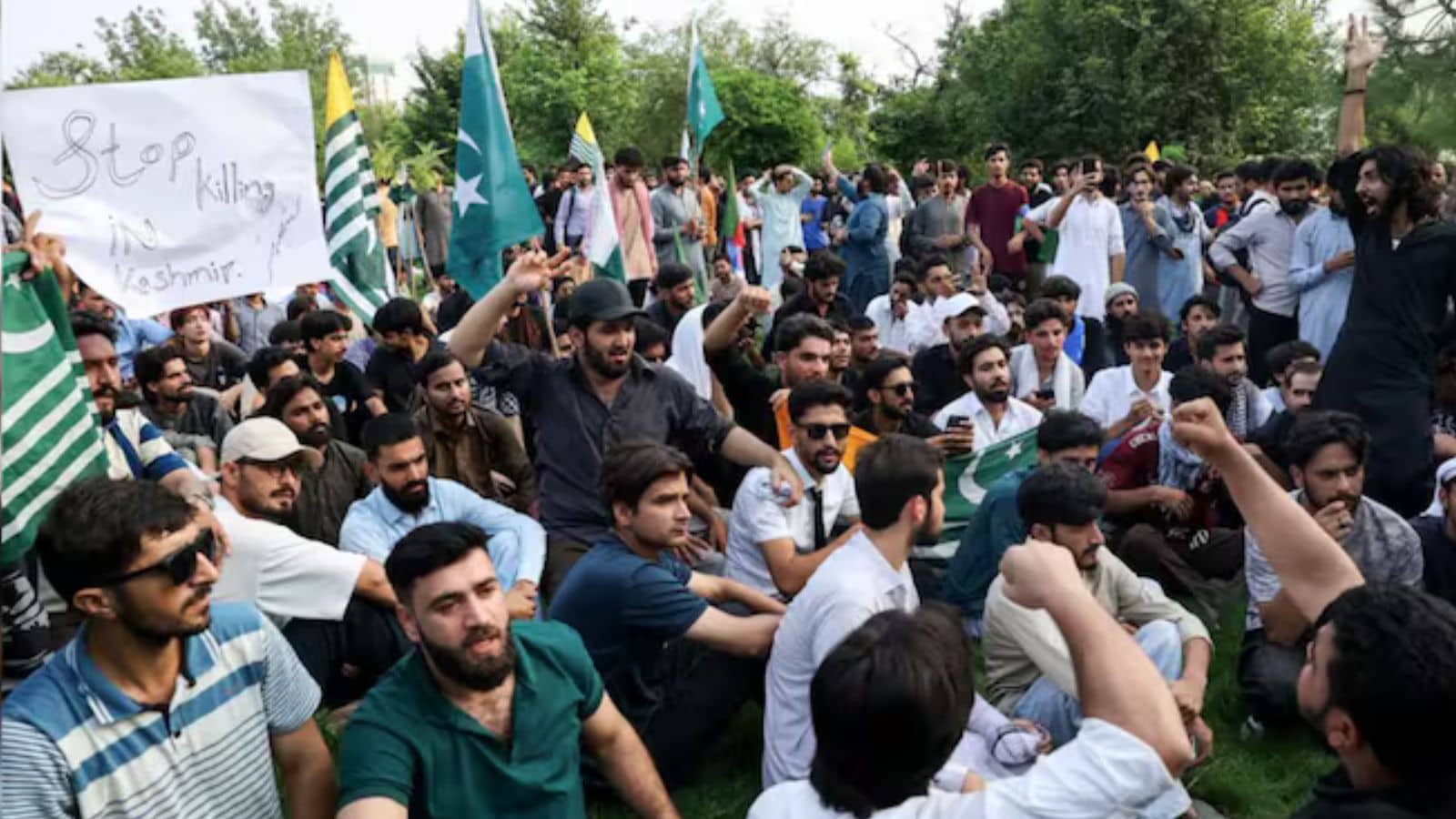
Seven years after India's 2019 abrogation of Article 370, debate has shifted from legality to strategic impact amid unrest in Pakistan-occupied Jammu and Kashmir. News18 highlights India's enhanced security and governance post-abrogation, citing challenges under previous arrangements. NDTV focuses on Pakistan's internal instability, including government collapse fears and youth protests, reflecting concerns over governance and elite anxiety. Together, the articles present India's policy as a strategic move while depicting Pakistan's political volatility and governance challenges.

Political Bias
0%50%50%
Sentiment
53%
TBN's observations

First-hand measurement across 2 sources

We measured how 2 outlets covered this story. Coverage leans balanced overall (Left 0%, Centre 50%, Right 50%). Overall sentiment is neutral (53/100). Lens Score 50/100.

Outlets measured: ndtv, news18. See how each one headlined and framed the same story in the source comparison below.

AI analysis of 2 sources · Published under editorial oversight by The Balanced News
Analysed 4 Aug 2026· How this analysis is produced· Editorial standards· Corrections

AI Analysis

Political bias across 2 sources
● Left 0%● Center 50%● Right 50%

All 1 outlets scored close to centre on political lean. The real divergence here is in emphasis, not lean — compare the headlines below to see how each outlet chose to frame the same facts.

Sentiment — Neutral (53/100)

Sentiment ranged widely across outlets — from 32/100 to 74/100 — a sign the coverage itself was contested, not just reported.

Coverage timeline

news18 broke this story on 4 Aug, 04:42 am. Other outlets followed.

4 Aug, 04:42 am2 sources · 6 h4 Aug, 10:16 am
AI analysis by the TBN Bias Engine · beat methodology byPrajakta Kale· Political Analyst· editorial standards byOjas Kale
← Previous
TN CM Vijay Inaugurates Health Infrastructure Projects Worth Rs 113 Crore
Next →
Former Ukrainian Commander Says Ukraine Cannot Currently Join NATO
  1. 1
    news184 Aug, 04:42 am
    Right Word Why Abrogation Of Article 370 Was A Strategic Necessity For India
  2. 2
    ndtv4 Aug, 10:16 am
    Opinion The Panic In Rawalpindi: Why Pakistani Generals Suddenly Sound So Afraid

Accountability flags

TBN's analysis identified the following accountability dimensions in this story.

  • financial irregularity

    This story involves alleged financial misconduct — unexplained transactions, procurement irregularities, or misuse of public/shareholder funds.

  • abuse of power

    This story involves alleged misuse of official authority or institutional position to achieve personal or political ends.

  • systemic failure

    This story points to a failure in institutional processes — regulation, safety, oversight, or service delivery breaking down at scale.

  • public safety issue

    This story involves a risk to public safety — infrastructure failure, regulatory lapse, hazardous conditions, or emergency mishandling.

  • rights violation

    This story involves alleged violations of constitutional or human rights — freedom of expression, due process, custodial rights, minority rights.

Who's involved

Institutions and figures named across source coverage.

Government
Union Home MinisterPakistan Economic SummitBalochistan State GovernmentInterior MinistryUnion Home MinistrySindh State GovernmentParliamentary Standing Committee
Political
Bharatiya Janata PartyPakistan Tehreek-e-InsaafMuttahida Qaumi Movement-PakistanPakistan Peoples PartyPakistan Muslim League-Nawaz
Enforcement
Federal ParamilitariesPakistan ArmyBaloch ScoutsLevies
Judiciary
Supreme Court

Story context

Category
Politics
Location
New Delhi, India
Sources analysed
2
Last analysed
4 Aug 2026
Key entities
PakistanIndiaCounterterrorismKashmirJammu and Kashmir (union territory)Lashkar-e-TaibaPahalgamIslamabadMinistry of Interior (Pakistan)Pakistan Muslim League (N)Pakistan Tehreek-e-InsafMuttahida Qaumi Movement – Pakistan