1 hour agoPolitics
31LENS
5 SourcesIran
 thebalanced.news
Trump Temporarily Waives Jones Act to Address Energy and Supply Disruptions
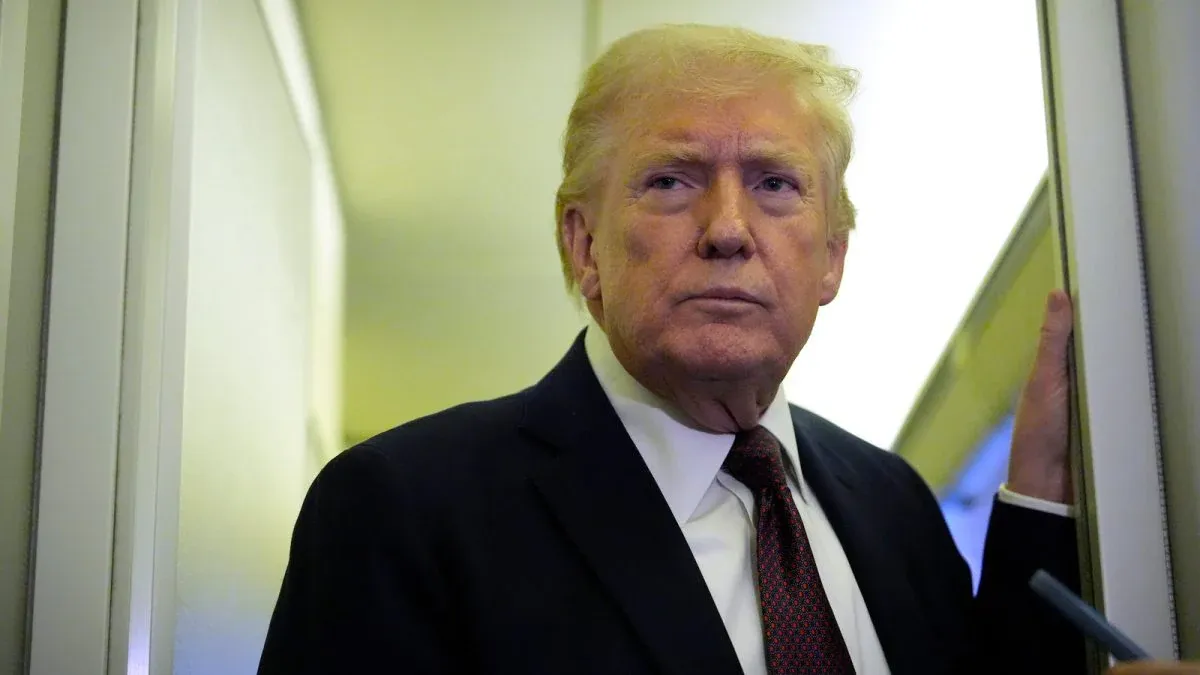
U.S. President Donald Trump has temporarily waived the century-old Jones Act for 60 days to ease rising energy and fertilizer costs amid the escalating conflict between the U.S., Israel, and Iran. The waiver allows foreign-flagged vessels to transport cargo between U.S. ports, aiming to mitigate supply disruptions caused by tensions in the Strait of Hormuz. The administration views this as a short-term measure to support critical supply chains while military operations continue. Critics note the law’s original intent to protect U.S. shipbuilding but acknowledge its impact on costs.
Political Bias
10%79%11%
Sentiment
53%
21 stories available
View AI Analysis
Bias Analysis: The articles present a range of perspectives including the U.S. administration’s rationale for the waiver as a pragmatic response to supply challenges amid conflict, alongside critiques of the Jones Act’s protectionist origins. Coverage includes official statements emphasizing supply chain stability and military objectives, while also noting political risks and opposition concerns related to energy prices and trade restrictions.
Sentiment: The overall tone is neutral to cautiously pragmatic, focusing on the administration’s efforts to alleviate energy costs and supply issues without overtly positive or negative language. While acknowledging rising fuel prices and market disruptions, the coverage balances the urgency of the situation with skepticism about the waiver’s long-term impact on prices, reflecting a measured and factual reporting style.
Lens Score: 31/100 — Story is well-covered by media outlets. Public interest: 0/100. Coverage gap: 90%.
Related Coverage
Select a news story to see related coverage from other media outlets.