1 hour agoPolitics
36LENS
24 SourcesNew Delhi, India
 thebalanced.news
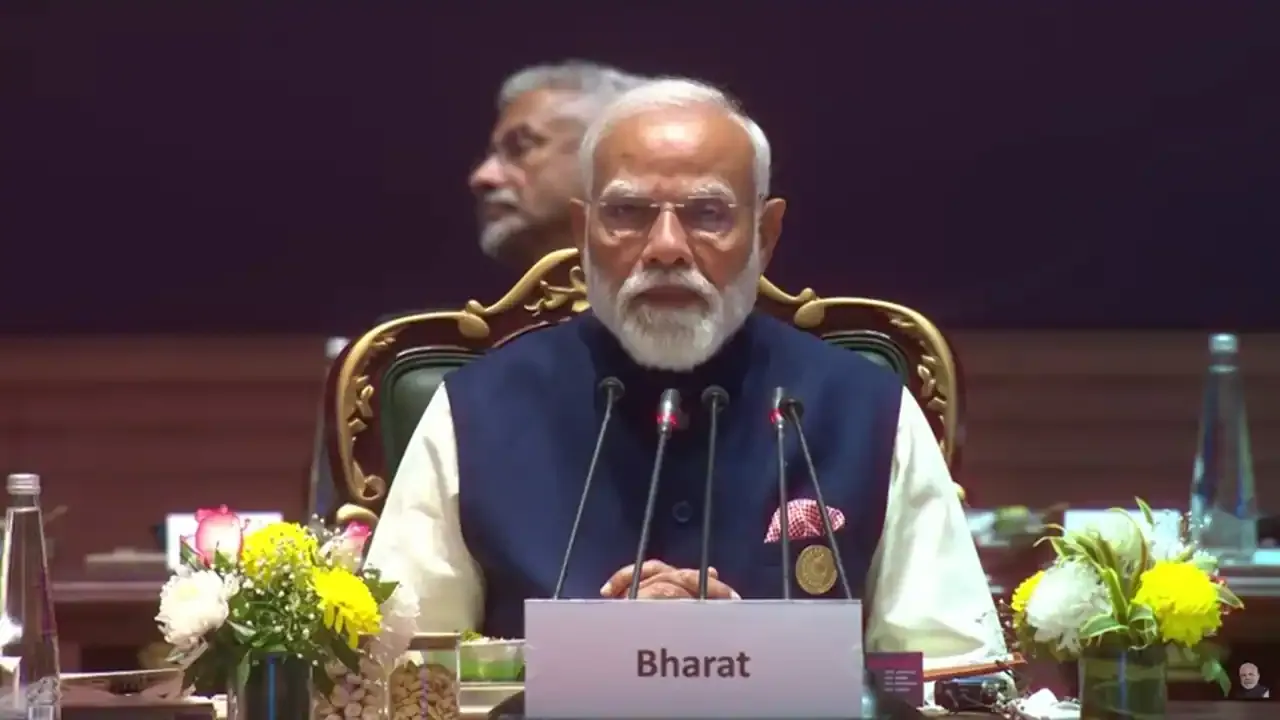
PM Modi Holds Meeting to Review India's Energy Supply Amid West Asia Conflict
Prime Minister Narendra Modi chaired a high-level meeting on March 22, 2026, with senior ministers to review India's petroleum, power, and fertiliser sectors amid the escalating West Asia conflict. The meeting focused on ensuring uninterrupted supply, stable logistics, and efficient distribution across the country. The conflict, triggered by US and Israeli strikes on Iran and subsequent Iranian retaliation, has disrupted global energy flows, especially through the Strait of Hormuz, a key shipping route. Modi has engaged with multiple global leaders to manage the crisis and safeguard India's energy security, while the government monitors developments and implements contingency plans to mitigate supply disruptions.
Political Bias
10%76%14%
Sentiment
56%
21 stories available
View AI Analysis
Bias Analysis: The article group presents a primarily government-centered perspective, emphasizing official statements and actions by Prime Minister Modi and his administration. It includes references to international actors like the US, Israel, and Iran but maintains a neutral tone without attributing blame. The coverage reflects a focus on India's energy security and diplomatic engagements, representing the government's proactive stance without partisan framing or opposition viewpoints.
Sentiment: The overall sentiment across the articles is cautious and pragmatic, highlighting concerns over energy supply disruptions due to the West Asia conflict. While acknowledging the seriousness of the situation, the tone remains measured, focusing on government efforts to manage risks and maintain stability. There is no overtly positive or negative language; instead, the coverage underscores vigilance and preparedness amid geopolitical tensions.
Lens Score: 36/100 — Story is receiving appropriate media attention. Public interest: 0/100. Coverage gap: 100%.
Related Coverage
Select a news story to see related coverage from other media outlets.