Skip to content
Get the Balanced News app for a better experience!
The Balanced News Logo
Analytics
The Balanced News Logo

Stay Balanced, Stay Informed

Menu
  • Browse News
  • Underreported Stories
  • Curated Feeds
  • Insights
  • Analytics
  • Our Writers
  • About Us
  • Download App
Learn
  • How It Works
  • Bias Detection
  • Lens Score
  • Source Bias Checker
  • Accountability
  • Custom Feeds
Newsroom
  • Writers & Analysts
  • About TBN
  • Editorial Standards
  • Corrections Policy
  • Our Partners
  • Insights
Socials
  • Youtube
  • Instagram
  • X
  • Facebook
News Categories
  • Trending
  • Politics
  • Sports
  • Business
  • Tech
  • Entertainment
  • Health
  • Science
  • Crime
  • Lifestyle
  • National
  • International
  • Good News
  • Crypto

Get Our App

Available for iOS and Android


LensFeedsInsightsAnalyticsTrendingGood NewsSportsPoliticsBusinessCrimeTechEntertainmentHealthNationalInternational

© 2026 The Balanced News. All rights reserved.

About UsEditorial StandardsCorrectionsHelp & SupportPrivacy PolicyTerms & Conditions
Comparing Vote Counting Methods in US and Indian Elections
Categories

Categories

Related Coverage

Select a news story to see related coverage from other media outlets.

Related Coverage

Select a news story to see related coverage from other media outlets.

  1. Home
  2. /
  3. Politics

Comparing Vote Counting Methods in US and Indian Elections

Analysed 4 Nov 2026·2 sources analysed·India·Politics
Comparing Vote Counting Methods in US and Indian ElectionsPreviousNext

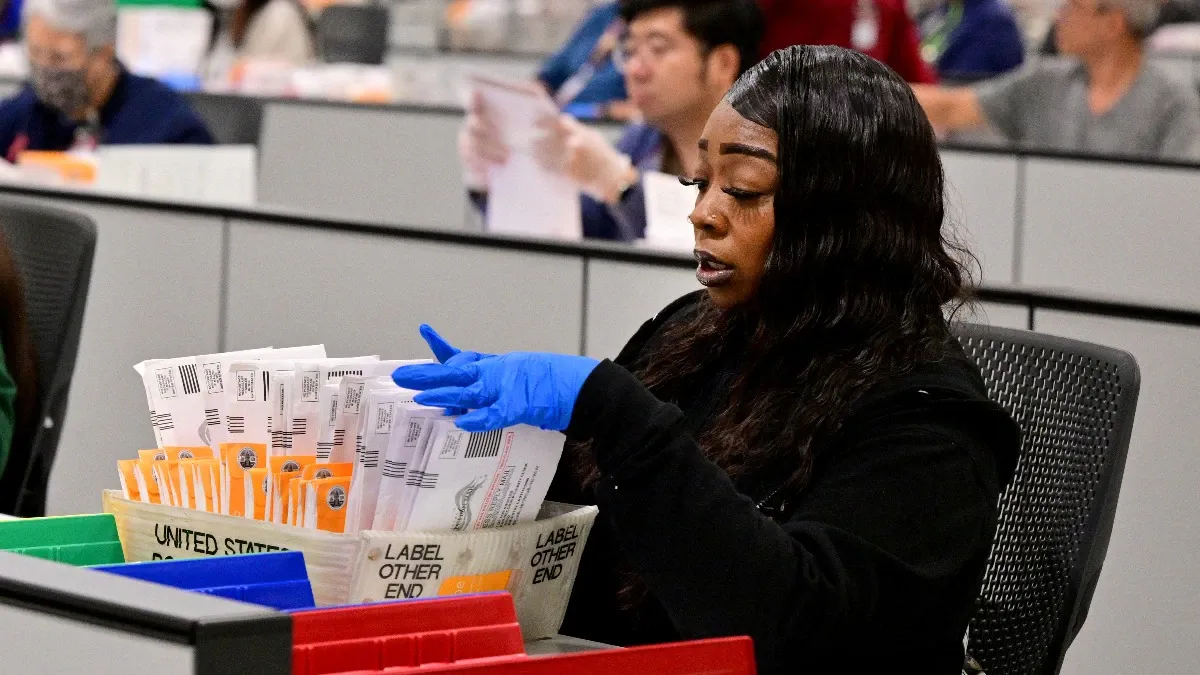
The United States and India use different methods for vote counting in elections. The US relies on paper ballots scanned and counted electronically across thousands of local centers, enabling results for millions of votes within hours despite a decentralized system and mail-in ballots. India uses Electronic Voting Machines (EVMs) and coordinated counting schedules, allowing broad election results in a single day even with a larger population. These contrasting approaches reflect differing administrative structures and technologies in managing large-scale democratic processes.

Sentiment
51%
TBN's observations

First-hand measurement across 2 sources

We measured how 2 outlets covered this story. No outlet gave this story a measurable political slant — there is no left–right reading to report. Overall sentiment is neutral (51/100). Lens Score 42/100.

Outlets measured: indiatoday, firstpost. See how each one headlined and framed the same story in the source comparison below.

AI analysis of 2 sources · Published under editorial oversight by The Balanced News
Analysed 4 Nov 2026· How this analysis is produced· Editorial standards· Corrections

AI Analysis

Sentiment — Neutral (51/100)

Sentiment was consistent across outlets (50–52/100), indicating broadly factual reporting rather than editorialising.

Coverage timeline

firstpost broke this story on 3 Nov, 04:54 pm. Other outlets followed.

3 Nov, 04:54 pm2 sources · 15 h4 Nov, 07:54 am
  1. 1
AI analysis by the TBN Bias Engine · beat methodology byPrajakta Kale· Political Analyst· editorial standards byOjas Kale
← Previous
India Plans to Simplify Visa Application Forms to Boost Tourism
Next →
Indian-American Ami Bera Wins Eighth Term in US House from California
firstpost3 Nov, 04:54 pm
Why Is The U.S. So Slow To Count Votes When India Does It In One Day? Vantage on Firstpost
  • 2
    indiatoday4 Nov, 07:54 am
    US uses ballot papers, not EVMs. How does it count millions of votes so fast?
  • Who's involved

    Institutions and figures named across source coverage.

    Government
    United States Election Assistance CommissionNational Conference of State Legislatures

    Story context

    Category
    Politics
    Location
    India
    Sources analysed
    2
    Last analysed
    4 Nov 2026
    Key entities
    IndiaUnited StatesBallot2022 United States electionsNew South Wales Legislative CouncilPolling stationBihar Legislative CouncilSenate of SpainUniversity of FloridaElectronic votingElectoral districtUnited States House of Representatives