UNHRC Session Highlights Human Rights Concerns and Protests in Pakistan-Occupied Jammu and Kashmir
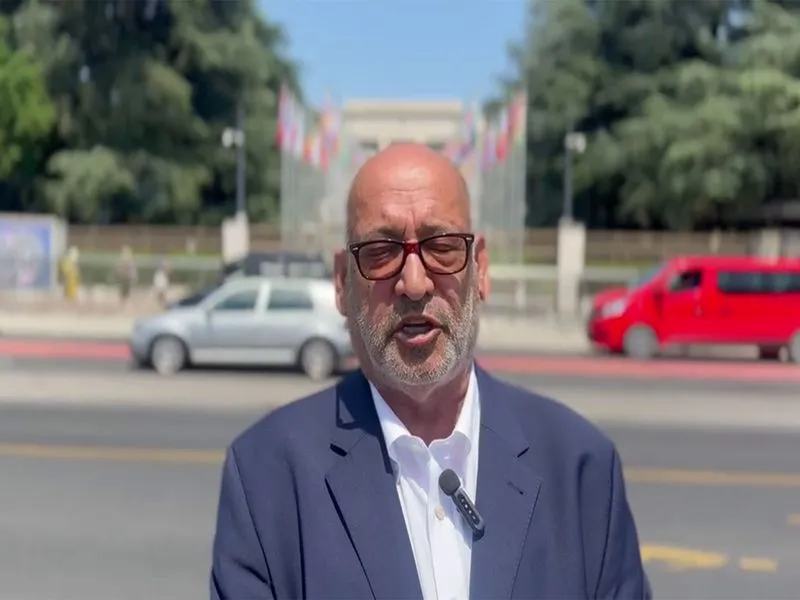
At the 62nd UN Human Rights Council session in Geneva, representatives from Pakistan-occupied Jammu and Kashmir (PoJK) highlighted a humanitarian crisis marked by road blockades, mass arrests, and military actions. Mirza Shafiq of the Swiss Kashmir Human Rights Commission described disruptions to essential supplies and called for international dialogue, while the United Kashmir People's National Party protested against military crackdowns, urging UN intervention and an independent investigation into civilian casualties and suppression of dissent in Rawalakot.
First-hand measurement across 2 sources
We measured how 2 outlets covered this story. Coverage leans left-leaning overall (Left 70%, Centre 30%, Right 0%). Overall sentiment is negative (25/100). Lens Score 40/100 — moderate-to-low public interest.
Outlets analysed (first-hand measurement by TBN's Bias Engine):
- thetribune— left-leaning framing, negative sentiment
- thetribune— left-leaning framing, negative sentiment
AI Analysis
The articles primarily present perspectives critical of Pakistani authorities' actions in PoJK, focusing on human rights concerns raised by activists and political groups. Both sources emphasize allegations of military crackdowns and humanitarian issues, reflecting viewpoints from Kashmiri advocacy groups and human rights commissions. The coverage lacks direct representation of the Pakistani government's stance, framing the narrative around calls for international intervention and accountability.
The overall tone across the articles is serious and critical, emphasizing humanitarian distress and alleged rights violations. The sentiment is predominantly negative toward the situation in PoJK, highlighting suffering, protests, and demands for change. There is an urgent and concerned mood conveyed through descriptions of blockades, arrests, and military actions, without positive or neutral developments noted.