US Enforces Naval Blockade on Iranian Ports, Disables Non-Compliant Tanker
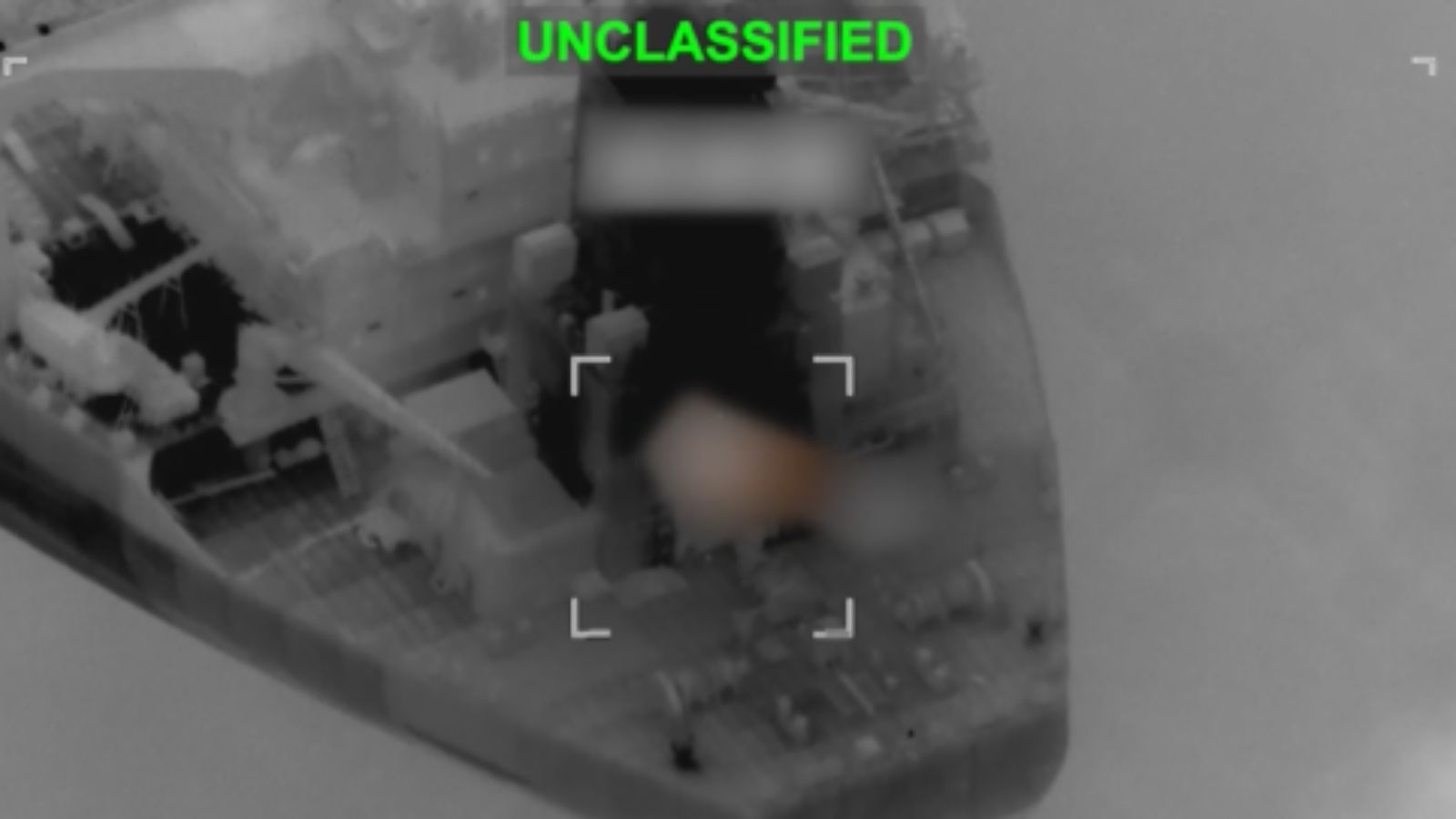
The United States reimposed a naval blockade on vessels traveling to and from Iranian ports on July 14, enforcing it with a significant military presence including aircraft carriers and warships. US Central Command reported redirecting three commercial vessels, disabling one non-compliant tanker—the Curacao-flagged M T Belma—after it ignored warnings while heading to Kharg Island. US Marines also boarded a vessel in the Gulf of Oman to verify compliance. The Strait of Hormuz remains open for ships not involved with Iranian ports, with the US Navy ensuring maritime traffic flow amid ongoing regional tensions.
First-hand measurement across 15 sources
We measured how 15 outlets covered this story. Coverage leans balanced overall (Left 6%, Centre 89%, Right 5%). Overall sentiment is neutral (35/100). Lens Score 32/100 — low public interest.
Outlets analysed (first-hand measurement by TBN's Bias Engine):
- thetribune— balanced framing, neutral sentiment
- freepressjournal— balanced framing, negative sentiment
- businessstandard— balanced framing, neutral sentiment
- zeenews— balanced framing, negative sentiment
- thetribune— balanced framing, neutral sentiment
- swarajyamag— balanced framing, negative sentiment
- indianexpress— balanced framing, neutral sentiment
- economictimes— balanced framing, negative sentiment
AI Analysis
The article group primarily reflects official US government and military perspectives, emphasizing enforcement actions and strategic intentions behind the blockade. Coverage includes statements from US Central Command and the White House, focusing on security and compliance. There is limited representation of Iranian viewpoints or international reactions, resulting in a narrative centered on US policy and military operations without extensive counterbalance.
The overall tone across the articles is factual and neutral, reporting on military actions and blockade enforcement without emotive language. While the coverage highlights escalation and enforcement measures, it avoids sensationalism, maintaining a professional tone. The sentiment is mixed in that it acknowledges tensions and conflict potential but focuses on operational details and assurances about maritime openness.