Tibetan Groups and Government-in-Exile Criticize China's Ethnic Unity Law
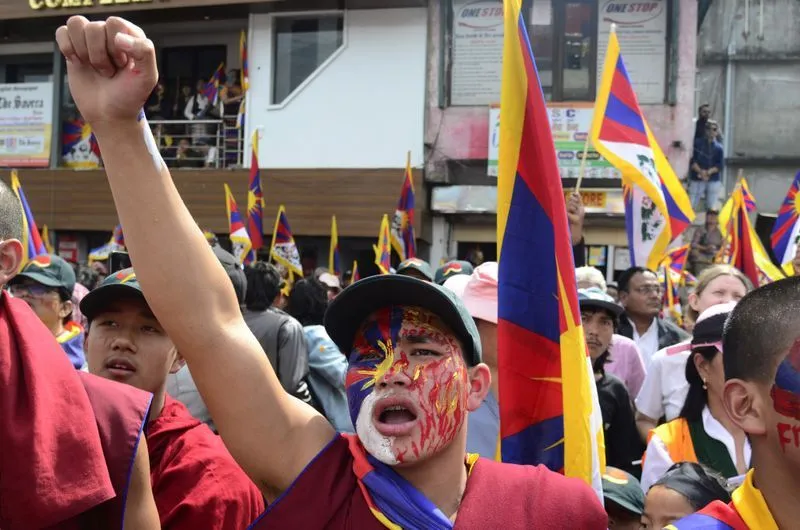
A coalition of 151 Tibetan organizations and the Tibetan government-in-exile have criticized China's Law on Promoting Ethnic Unity and Progress, effective July 1, as a legal framework for forced assimilation. They allege it restricts Tibetan language, culture, and religious freedoms, mandates Mandarin prioritization, and requires loyalty to the Communist Party. The law is seen as intensifying assimilation policies against Tibetans and other ethnic minorities, while shielding these actions from domestic and international criticism.
First-hand measurement across 2 sources
We measured how 2 outlets covered this story. Coverage leans left-leaning overall (Left 70%, Centre 28%, Right 2%). Overall sentiment is negative (28/100). Lens Score 38/100 — moderate-to-low public interest.
Outlets analysed (first-hand measurement by TBN's Bias Engine):
- hindustantimes— left-leaning framing, negative sentiment
- thetribune— left-leaning framing, negative sentiment
AI Analysis
The articles represent perspectives primarily from Tibetan organizations and the Tibetan government-in-exile, highlighting concerns about China's ethnic policies. They frame the law as a tool for assimilation and cultural suppression. The sources emphasize Tibetan rights and identity, reflecting a critical stance toward Chinese government actions, without presenting the Chinese government's viewpoint directly.
The overall tone across the articles is critical and concerned, focusing on the negative implications of the law for Tibetan culture and identity. The language conveys apprehension about potential human rights impacts and cultural erosion, reflecting a predominantly negative sentiment toward the legislation and its effects on ethnic minorities.
How 2 sources covered this story
Each source's own headline, political lean, and sentiment — so you can see framing differences at a glance.