India Calls for Text-Based UN Security Council Reform Including New Permanent Seats
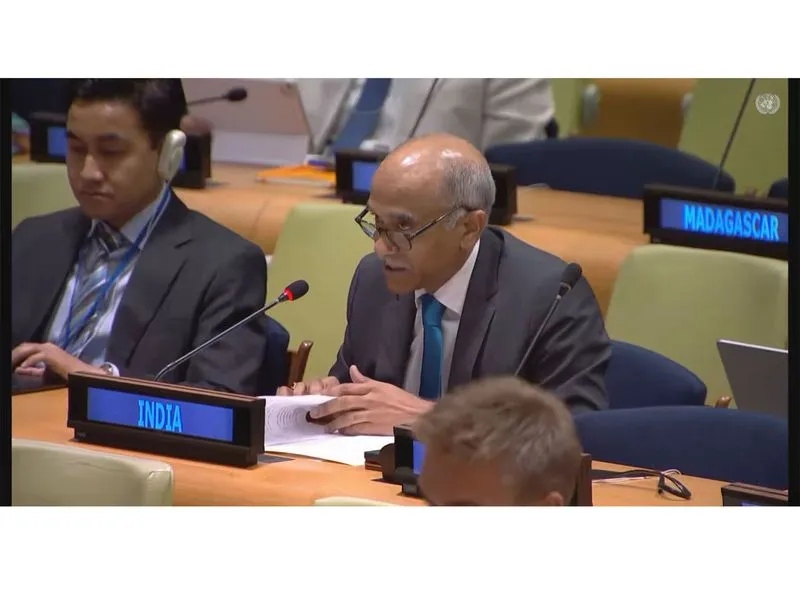
India has strongly criticized the current United Nations Security Council (UNSC) reform process, urging a shift to text-based negotiations and opposing proposals that limit expansion to non-permanent seats. Ambassador Parvathaneni Harish emphasized that meaningful reform must include new permanent seats to address power imbalances and reflect contemporary global realities. India, supported by groups like the G4 and L69, argues the Elements Paper underrepresents the majority backing permanent membership expansion, while cautioning against procedural delays and resistance from opposing coalitions such as the Uniting for Consensus group.
First-hand measurement across 3 sources
We measured how 3 outlets covered this story. Coverage leans balanced overall (Left 10%, Centre 82%, Right 8%). Overall sentiment is neutral (54/100). Lens Score 29/100 — low public interest.
Outlets analysed (first-hand measurement by TBN's Bias Engine):
- thetribune— balanced framing, neutral sentiment
- thestatesman— balanced framing, neutral sentiment
- firstpost— balanced framing, neutral sentiment
AI Analysis
The article group predominantly reflects India's diplomatic stance advocating for UNSC reform with permanent seat expansion, highlighting support from allied groups like the G4 and L69. It also presents opposition perspectives indirectly through references to the Uniting for Consensus group, which resists permanent seat additions. Coverage centers on official statements and procedural critiques without partisan framing, representing both reform advocates and dissenting coalitions within the UN framework.
The overall tone across the articles is critical yet constructive, focusing on India's dissatisfaction with the current reform draft and procedural approach. The sentiment conveys urgency and frustration regarding stalled negotiations but maintains a professional and diplomatic tone. There is an emphasis on the need for meaningful change, balanced by acknowledgment of ongoing debates and differing member state positions.