India Urges Text-Based UN Security Council Reform, Calls for Permanent Seat Expansion
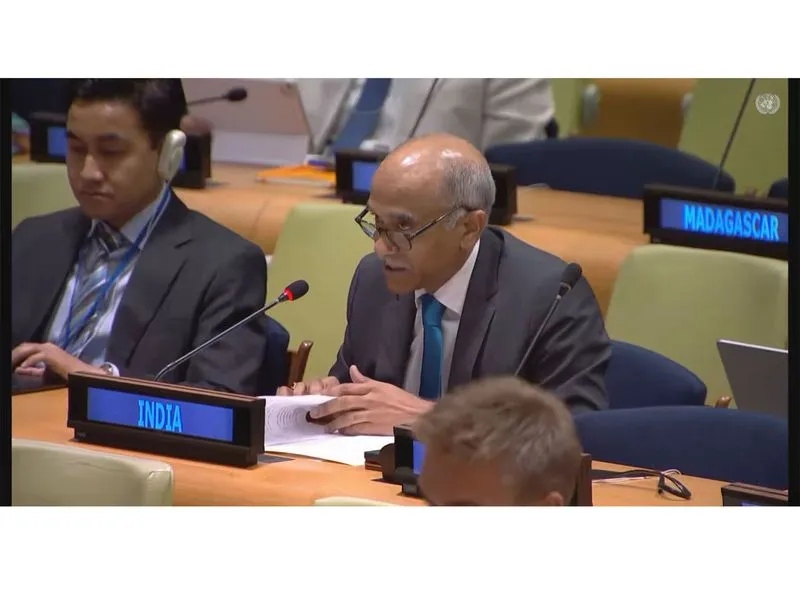
India has strongly criticized the latest UN Security Council reform Elements Paper, arguing it underrepresents the broad support for expanding permanent membership. Ambassador Parvathaneni Harish emphasized that meaningful reform must include new permanent seats, warning that expanding only non-permanent categories would fail to alter the Council's power structure dominated by the five permanent members. India called for text-based negotiations aligned with UN practices and rejected proposals like Fixed Regional Seats, asserting the UN Charter clearly defines permanency and that reform should reflect majority views rather than minority opposition.
First-hand measurement across 9 sources
We measured how 9 outlets covered this story. Coverage leans balanced overall (Left 9%, Centre 84%, Right 7%). Overall sentiment is neutral (53/100). Lens Score 29/100 — low public interest.
Outlets analysed (first-hand measurement by TBN's Bias Engine):
- economictimes— balanced framing, neutral sentiment
- httpswwwoutlookindiacom— balanced framing, neutral sentiment
- news18— balanced framing, neutral sentiment
- ndtv— balanced framing, neutral sentiment
- thehindu— balanced framing, neutral sentiment
- businessstandard— balanced framing, neutral sentiment
- thetribune— balanced framing, neutral sentiment
- thestatesman— balanced framing, neutral sentiment
AI Analysis
The article group predominantly reflects India's diplomatic stance advocating for Security Council reform, highlighting its alignment with groups like the G4 and L69. It presents India's critique of the UN co-chairs' Elements Paper and opposition from the Uniting for Consensus group. Coverage focuses on procedural and substantive aspects of reform, with sources emphasizing India's perspective without extensive counterarguments from opposing states, reflecting a diplomatic and reformist viewpoint.
The overall tone across the articles is critical yet formal, with India expressing dissatisfaction toward the current reform draft and negotiation process. The sentiment is largely negative regarding the Elements Paper and the status quo but constructive in calling for clearer, text-based negotiations and meaningful reform. The coverage maintains a professional and measured tone, focusing on India's detailed objections and proposals without emotive language.