Netanyahu Visits Southern Lebanon, Affirms Israel Will Stay Until Hezbollah Disarmed
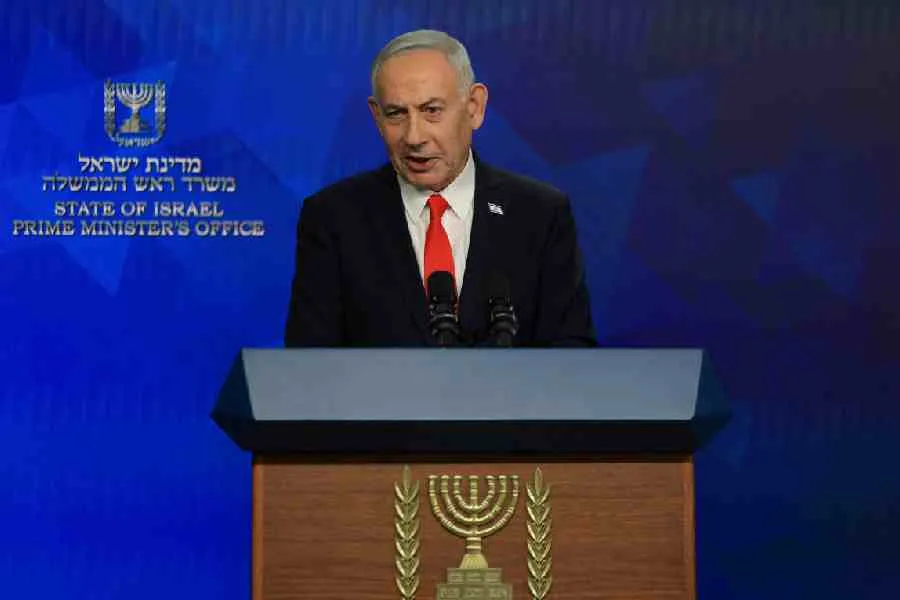
Israeli Prime Minister Benjamin Netanyahu visited Israeli-occupied southern Lebanon, reaffirming that Israel will not withdraw until Hezbollah, backed by Iran, is disarmed and no longer poses a threat. This follows a US-mediated security agreement under which Israel plans to hand over two 'pilot zones' to the Lebanese army. Analysts note the deal places heavy obligations on Lebanon, with concerns that Hezbollah's disarmament is unlikely, potentially prolonging Israel's military presence in the region.
First-hand measurement across 6 sources
We measured how 6 outlets covered this story. Coverage leans balanced overall (Left 21%, Centre 71%, Right 8%). Overall sentiment is neutral (39/100). Lens Score 40/100 — moderate-to-low public interest.
Outlets analysed (first-hand measurement by TBN's Bias Engine):
- ndtv— balanced framing, negative sentiment
- theprint— balanced framing, negative sentiment
- theprint— left-leaning framing, negative sentiment
- thetribune— balanced framing, neutral sentiment
- thetelegraph— balanced framing, neutral sentiment
- indianexpress— balanced framing, neutral sentiment
AI Analysis
The article group presents perspectives primarily from Israeli officials emphasizing security concerns and the conditional nature of withdrawal tied to Hezbollah's disarmament. Lebanese political analysts and commentators highlight challenges Lebanon faces in enforcing the agreement and the potential for prolonged Israeli presence. Coverage includes official statements and critical analyses, reflecting both Israeli security priorities and Lebanese political complexities without favoring either side.
The overall tone is cautious and factual, focusing on security issues and diplomatic developments. Israeli statements convey determination to maintain presence until threats are neutralized, while analysts express skepticism about the agreement's feasibility. The sentiment is mixed, balancing official resolve with concerns about ongoing conflict and regional stability.