Iran Insists on Securing Rights Before Approving US Peace Deal Framework
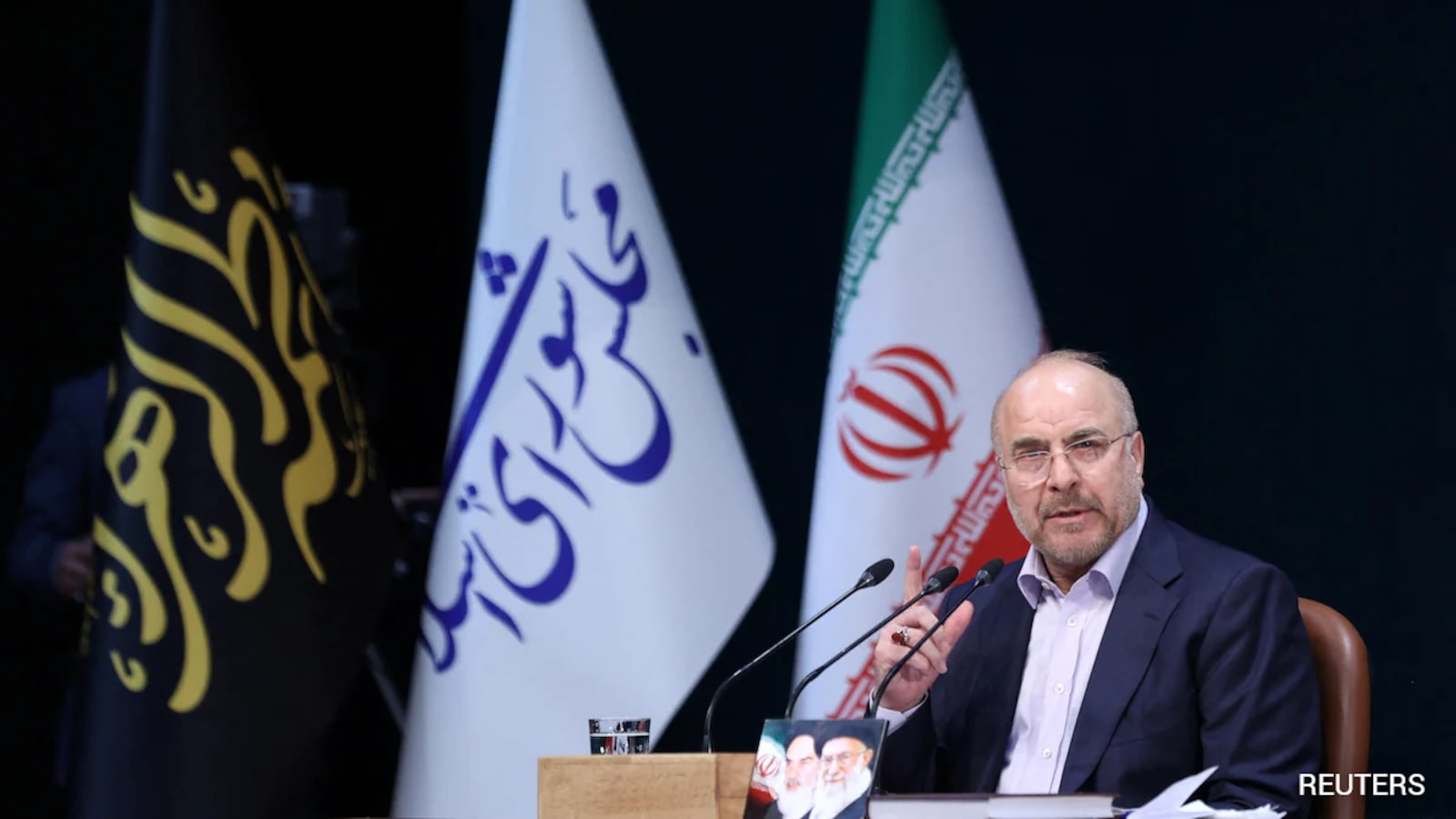
Iranian Parliament Speaker and chief negotiator Mohammad Bagher Ghalibaf stated that Tehran will not approve any peace deal with the United States unless the rights of the Iranian people are fully secured. He emphasized distrust in US promises and insisted on tangible results before commitments. The remarks come amid ongoing negotiations and reports of a revised US framework with tougher terms. Ghalibaf highlighted Iran's military resilience and national unity as key factors in the conflict, while US President Donald Trump expressed optimism about a potential deal but warned of alternative actions if talks fail.
First-hand measurement across 9 sources
We measured how 9 outlets covered this story. Coverage leans balanced overall (Left 1%, Centre 98%, Right 1%). Overall sentiment is neutral (40/100). Lens Score 31/100 — low public interest.
Outlets analysed (first-hand measurement by TBN's Bias Engine):
- firstpost— balanced framing, neutral sentiment
- republicworld— balanced framing, neutral sentiment
- news18— balanced framing, neutral sentiment
- economictimes— balanced framing, neutral sentiment
- thetribune— balanced framing, neutral sentiment
- httpswwwoutlookindiacom— balanced framing, neutral sentiment
- ndtv— balanced framing, neutral sentiment
- thestatesman— balanced framing, neutral sentiment
AI Analysis
The article group presents perspectives primarily from Iranian officials emphasizing sovereignty and distrust toward the US, alongside US statements reflecting a position of negotiation strength. Coverage includes Iranian political leadership's focus on national unity and military achievements, while US sources highlight negotiation progress and strategic leverage. Both sides' viewpoints are represented without overt editorializing, reflecting a balanced presentation of the diplomatic standoff.
The overall tone across the articles is cautious and measured, reflecting the sensitive nature of ongoing negotiations. Iranian statements convey firmness and skepticism toward US intentions, while US remarks express guarded optimism mixed with warnings. The sentiment is mixed, combining hope for a deal with recognition of persistent challenges and mistrust, avoiding sensationalism or overt negativity.