Debate Over Harappan Heritage and Historical Narratives in India and Pakistan
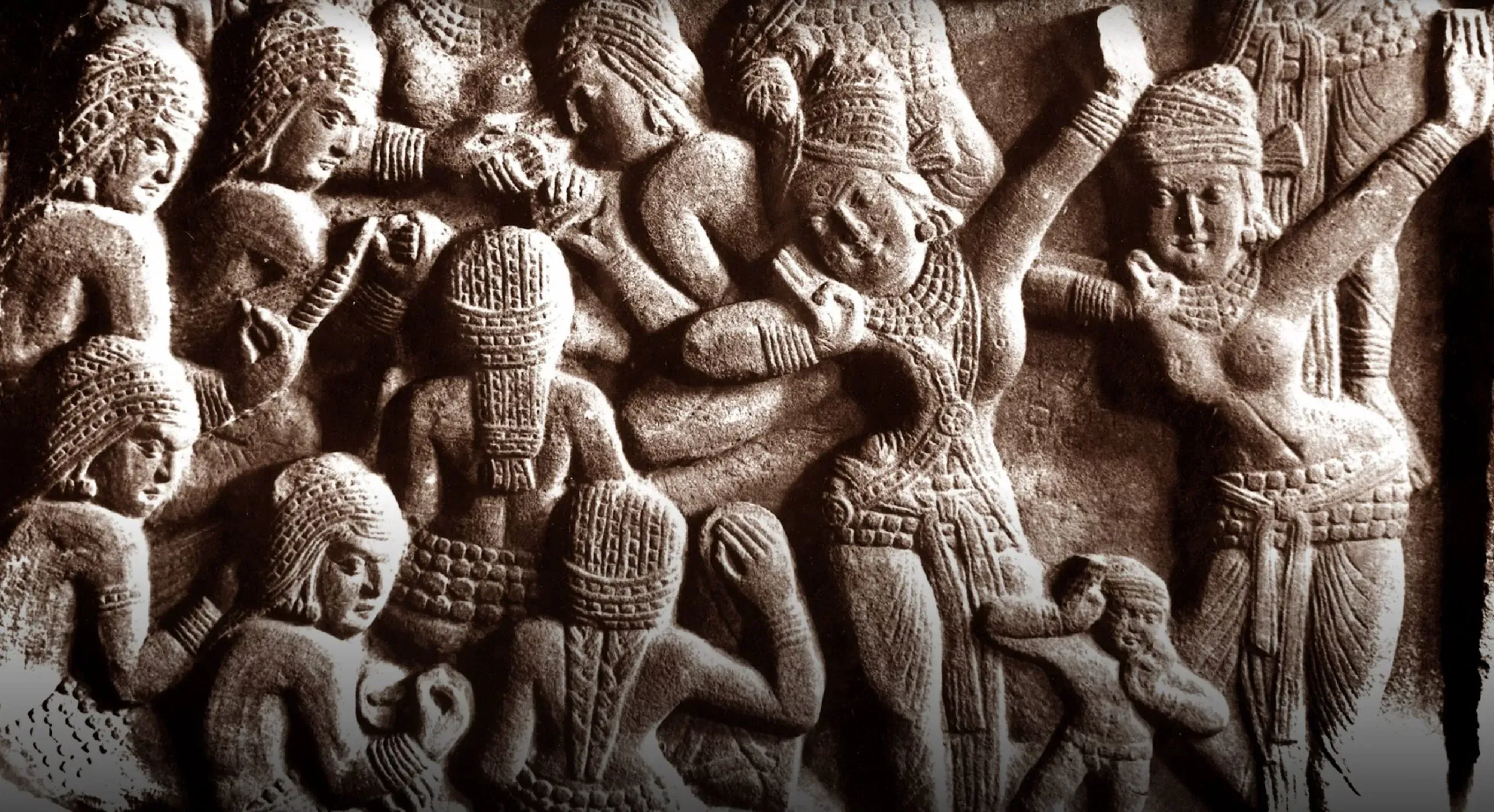
The Harappan civilisation, spanning modern India and Pakistan from 3300 to 1300 BCE, is recognized for its advanced urban planning, trade, and sanitation systems without evidence of monarchy or warfare. Pakistan has recently promoted its pre-Islamic heritage, including Harappan sites, as part of a civilisational identity, while critics argue this selective embrace contrasts with ongoing religious discrimination. Debates continue over historical reclamation narratives in both India and Pakistan, reflecting differing perspectives on cultural heritage and political motives.
First-hand measurement across 2 sources
We measured how 2 outlets covered this story. Coverage leans right-leaning overall (Left 10%, Centre 20%, Right 70%). Overall sentiment is neutral (40/100). Lens Score 22/100 — low public interest.
Outlets analysed (first-hand measurement by TBN's Bias Engine):
- theprint— right-leaning framing, neutral sentiment
- opindia— right-leaning framing, neutral sentiment
AI Analysis
The articles represent contrasting viewpoints: one emphasizes the shared ancient heritage of the Harappan civilisation across India and Pakistan, highlighting its historical significance; the other critiques Pakistan's selective promotion of pre-Islamic history amid ongoing religious discrimination, framing it as a political strategy. Both perspectives reflect broader political and ideological debates about cultural identity and historical memory in the region.
The overall tone is mixed, combining appreciation for the Harappan civilisation's achievements with critical views on contemporary political uses of history. While one article adopts a scholarly and respectful tone towards the ancient civilisation, the other expresses skepticism about Pakistan's motives in heritage promotion, resulting in a nuanced sentiment that balances recognition of cultural value with political critique.