India-UK Trade Agreement Promises Expanded Market Access and Economic Opportunities
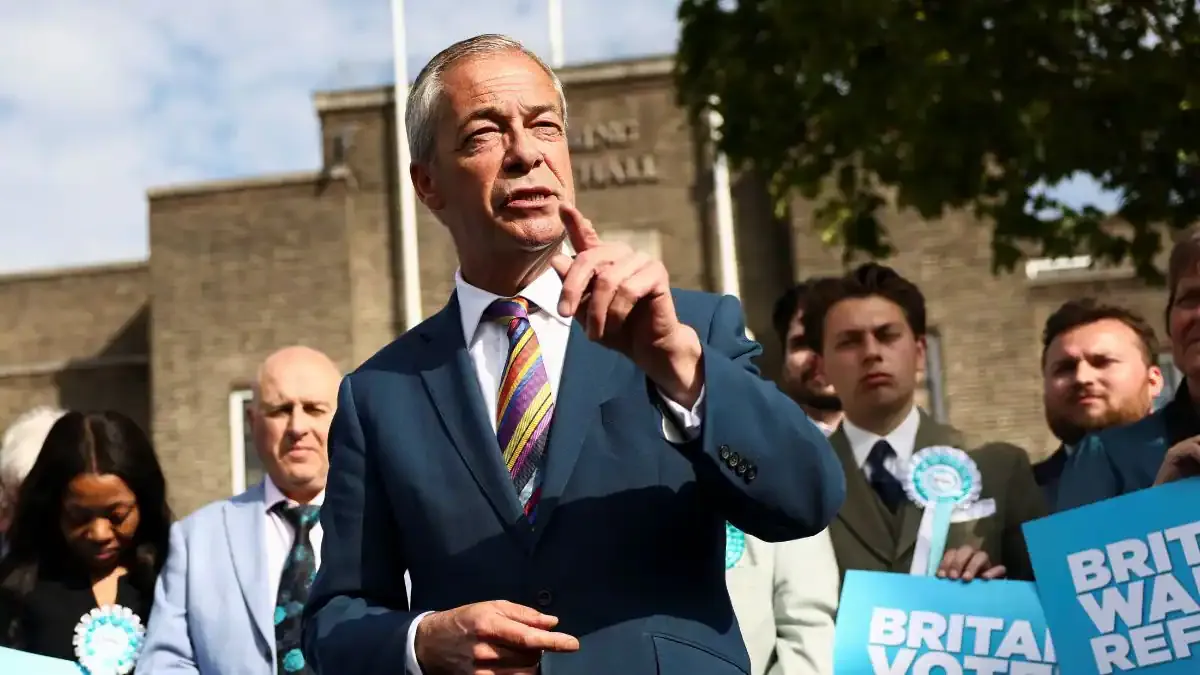
The India-UK Comprehensive Economic and Trade Agreement (CETA), effective July 15, aims to enhance bilateral trade by eliminating tariffs on nearly 99% of tariff lines, benefiting sectors like agriculture, fisheries, and small businesses. Indian exports such as spices and processed goods gain duty-free access to the UK market, supporting job creation and economic growth. Reform UK leader Nigel Farage welcomed the deal as a post-Brexit opportunity for stronger UK-India ties but indicated some provisions might be reviewed if his party governs.
First-hand measurement across 2 sources
We measured how 2 outlets covered this story. Coverage leans balanced overall (Left 10%, Centre 50%, Right 40%). Overall sentiment is positive (78/100). Lens Score 28/100 — low public interest.
Outlets analysed (first-hand measurement by TBN's Bias Engine):
- indianexpress— right-leaning framing, positive sentiment
- firstpost— balanced framing, positive sentiment
AI Analysis
The articles represent perspectives from both Indian government-aligned sources emphasizing economic benefits and job creation, and a UK political figure, Nigel Farage, who frames the deal within the Brexit context. Farage highlights sovereignty regained post-EU membership, while Indian coverage focuses on domestic growth and sectoral advantages. This mix reflects both pro-trade optimism and political framing tied to UK sovereignty debates.
The overall tone is positive, highlighting the trade agreement's potential to boost exports, create jobs, and strengthen bilateral relations. Farage's comments add a cautiously optimistic view, acknowledging benefits while suggesting possible future reviews. There is no significant negative sentiment, with coverage focusing on opportunities and progress.
How 2 sources covered this story
Each source's own headline, political lean, and sentiment — so you can see framing differences at a glance.