4 hours agoPolitics
24LENS
3 SourcesUnited States
 thebalanced.news
Gulf States Face Challenges Amid Iran Strikes and Air Defense Pressures
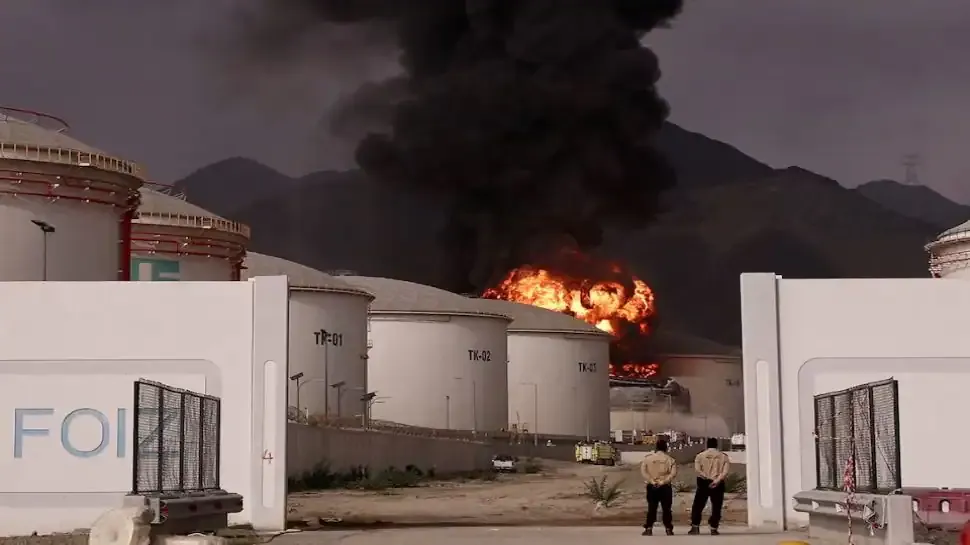
Since the start of US-Israeli actions against Iran, Tehran has launched frequent missile and drone strikes targeting American assets and infrastructure in Gulf nations. Despite possessing advanced Western military systems, Gulf states have refrained from direct counterattacks, partly due to concerns over vulnerabilities in critical infrastructure and limited interceptor missile stockpiles. Analysts note that ongoing attacks strain air defenses, prompting Gulf countries to adjust reporting and consider rationing interceptors or relying more on aircraft amid regional security challenges.
Political Bias
10%85%5%
Sentiment
42%
21 stories available
View AI Analysis
Bias Analysis: The article group presents perspectives focusing on Gulf states' strategic and security concerns without attributing blame or endorsing any side. Coverage includes viewpoints from security analysts, energy experts, and defense officials, emphasizing practical vulnerabilities and military capabilities. The framing centers on regional defense dynamics and infrastructure risks, reflecting a neutral stance that highlights complexities beyond sectarian or ideological narratives.
Sentiment: The overall tone is cautious and analytical, highlighting the pressures and vulnerabilities faced by Gulf nations amid ongoing Iranian attacks. While acknowledging military strengths, the coverage underscores challenges such as interceptor shortages and infrastructure risks, resulting in a balanced sentiment that neither sensationalizes nor downplays the security situation.
Lens Score: 24/100 — Story is well-covered by media outlets. Public interest: 0/100. Coverage gap: 90%.
Related Coverage
Select a news story to see related coverage from other media outlets.