3 hours agoPolitics
30LENS
2 SourcesTehran, Iran
 thebalanced.news
Iran Employs Decentralized 'Mosaic Defence' Strategy Amid Ongoing Conflict
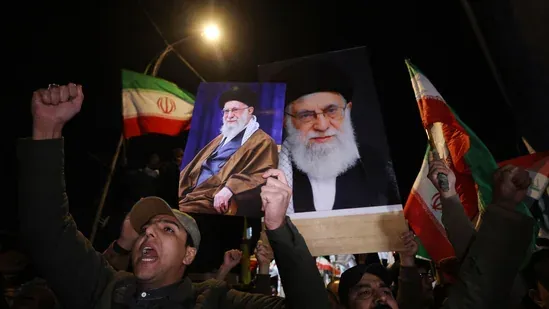
Following US and Israeli strikes on February 28 that targeted Iran's military and civilian leaders, including Supreme Leader Ayatollah Ali Khamenei, Iran's Islamic Revolutionary Guard Corps (IRGC) has demonstrated resilience. Iranian Foreign Minister Abbas Araghchi stated that Iran developed a 'mosaic defence' system over two decades, organizing its military into 31 semi-independent provincial units with autonomous command and resources. This structure aims to sustain prolonged conflict by preserving decision-making and operational capacity even if central leadership is incapacitated, reflecting a strategy designed for long-term warfare rather than rapid defeat.
Political Bias
10%85%5%
Sentiment
40%
21 stories available
View AI Analysis
Bias Analysis: The articles primarily present Iran's military strategy from an analytical perspective, focusing on official statements and defense doctrine without overt political framing. The coverage includes Iranian government viewpoints explaining their preparedness, while referencing US and Israeli actions factually. There is no evident partisan bias, as the narrative centers on military structure and strategic implications rather than political judgments.
Sentiment: The tone across the articles is neutral and informative, emphasizing Iran's strategic planning and military resilience without emotive language. The coverage neither praises nor condemns any party but provides a factual account of the conflict's developments and Iran's defense approach, resulting in a balanced and objective sentiment.
Lens Score: 30/100 — Story is well-covered by media outlets. Public interest: 0/100. Coverage gap: 100%.
Related Coverage
Select a news story to see related coverage from other media outlets.